Employment Discrimination: How Sex, Gender, and Power Shape Workplaces
When we talk about employment discrimination, the unfair treatment of workers based on traits like gender, race, sexual orientation, or pregnancy. Also known as workplace bias, it's not just about overt racism or sexism—it’s the quiet decisions that push women out of leadership, silence LGBTQ+ employees, or punish people for being pregnant. This isn’t new. For centuries, jobs were designed for men, and women were expected to stay home. Even today, the same patterns show up in hiring, pay, and promotions.
Gender discrimination, favoring one gender over another in hiring, pay, or advancement. Also known as sex-based workplace bias, it’s why women still earn less than men for the same work, and why men who take parental leave are often seen as less committed. Sexual harassment, unwanted sexual advances, comments, or pressure that creates a hostile work environment. Also known as workplace sexual coercion, it’s not just about groping—it’s the boss who makes jokes about your body, the colleague who texts you after hours, or the manager who implies your promotion depends on sleeping with them. And then there’s LGBTQ+ employment rights, the legal and cultural barriers faced by queer workers in hiring, promotion, and daily workplace safety. Also known as sexual orientation discrimination, it’s why a transgender person might be fired for using the right bathroom, or why a bisexual employee is told they’re "confused" and "not team material." These aren’t edge cases—they’re everyday realities shaped by history, law, and silence.
Look at the posts below. You’ll see how Victorian ideas about women belonging at home still echo in today’s office culture. You’ll find how the medical myth of "female hysteria" was used to justify excluding women from work. You’ll read about how bisexual erasure and lesbian invisibility in archives mirror the way queer workers are erased from company policies. You’ll learn how the fight for abortion rights, consent, and sexual autonomy is directly tied to who gets to control their bodies—and their careers. This isn’t just about fairness. It’s about power. And the stories here show how people fought back—and how the fight isn’t over.
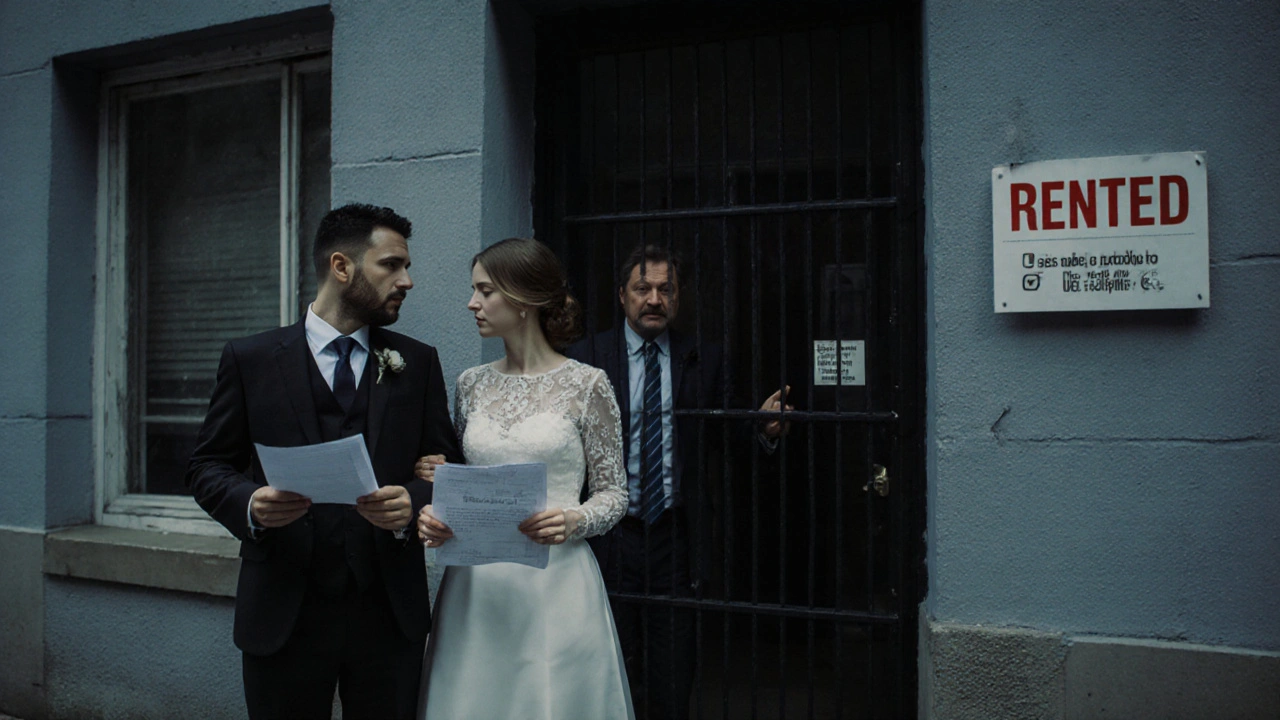
Legal Protections Beyond Marriage: Housing, Employment, and Public Accommodations for LGBTQ+ People
Nov 1 2025 / Social PolicyMarriage doesn't protect LGBTQ+ people from housing discrimination, job loss, or being denied service. Learn how to secure your rights in 2025 - before laws get worse.
VIEW MORE