Housing Discrimination: How Sex, Gender, and Power Shape Where People Live
When we talk about housing discrimination, the unfair denial of housing based on race, gender, sexual orientation, or other protected traits. Also known as residential segregation, it’s not just a relic of the past—it’s built into laws, lending practices, and neighborhood norms that still push people out today. This isn’t just about landlords saying no. It’s about banks denying loans to single women, landlords refusing to rent to LGBTQ+ couples, or zoning laws that keep low-income families out of good school districts. And behind it all? A long history of treating people’s bodies, identities, and relationships as risks to property values.
Gender discrimination, the systemic bias against people based on their sex or gender identity. Also known as sex-based housing bias, it’s been legal in many places for decades. Women were denied mortgages without a male co-signer until the 1970s. Single mothers still face higher rejection rates. Trans people are turned away from apartments because landlords fear "disturbance." And let’s not forget how sexual orientation housing, the practice of refusing rentals to same-sex couples or LGBTQ+ individuals. Also known as queer housing exclusion, was openly practiced in the U.S. until recent decades—even though federal law now protects against it, enforcement is patchy at best. These aren’t abstract issues. They’re tied to real lives: a lesbian couple turned away from a suburban rental because the landlord said "it’s not for people like us," or a Black trans woman priced out of every neighborhood she can afford. Then there’s racial housing bias, the long-standing practice of denying housing based on race or ethnicity. Also known as redlining, it was formalized by the government in the 1930s and still echoes in today’s neighborhood rankings, loan approvals, and property appraisals. Even when laws changed, the damage stuck—neighborhoods once marked "hazardous" for loans are still underfunded, under-resourced, and over-policed. These systems don’t work in isolation. They overlap. A Black lesbian with kids faces all three at once. And the people who profit from this? Often don’t even realize they’re part of it.
What you’ll find in the posts below isn’t just history. It’s the hidden connections between how society controls bodies and how it controls space. You’ll see how Victorian ideas about women staying at home shaped zoning laws. How medical myths about female sexuality led to landlords fearing "hysterical" tenants. How the criminalization of sex work pushed people into unsafe housing. How gay bars became safe havens because no one else would rent to them. This isn’t about isolated cases. It’s about patterns—patterns that still shape who gets a roof over their head, and who gets pushed to the edge.
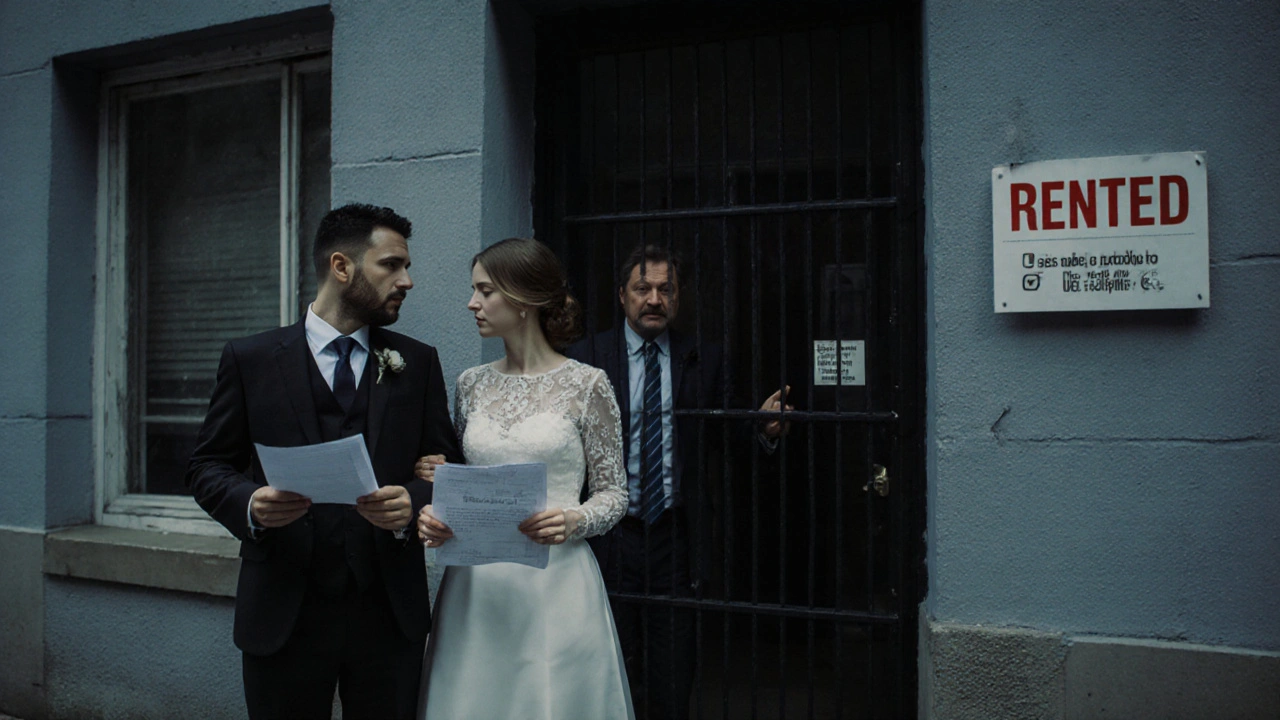
Legal Protections Beyond Marriage: Housing, Employment, and Public Accommodations for LGBTQ+ People
Nov 1 2025 / Social PolicyMarriage doesn't protect LGBTQ+ people from housing discrimination, job loss, or being denied service. Learn how to secure your rights in 2025 - before laws get worse.
VIEW MORE