1970s Family Law: How Courts, Feminism, and Culture Rewrote Marriage and Parenthood
When we talk about 1970s family law, the set of legal rules governing marriage, divorce, child custody, and spousal support during a time of massive social change. Also known as post-Victorian family legislation, it marked the moment when courts stopped treating marriage as a property contract and began recognizing it as a relationship between individuals—with rights, not just duties. Before the 1970s, getting a divorce usually meant proving one spouse had committed adultery, abandoned the other, or was mentally unstable. Women had little say in property division, and fathers almost always won custody. That changed fast.
The rise of no-fault divorce, a legal system allowing couples to end marriages without assigning blame. Also known as irreconcilable differences, it was first adopted in California in 1969 and spread nationwide by the mid-70s. This wasn’t just a legal tweak—it was a cultural earthquake. Suddenly, women could leave abusive or unhappy marriages without being labeled immoral or financially ruined. Courts began to prioritize the best interests of the child, not the father’s traditional authority. child custody rights, the legal framework determining who makes decisions and provides care for children after separation. Also known as parental responsibility, began shifting away from the "tender years doctrine," which automatically gave mothers custody of young kids. Judges started looking at who actually raised the child, not just who was female.
At the same time, gender roles in law, how legal systems assigned different rights and responsibilities to men and women based on outdated assumptions about family life. Also known as patriarchal legal norms, were being challenged in courtrooms and legislatures. Alimony laws changed. Women could now own property in their own name, even if married. Spousal support became more about economic fairness than moral punishment. These weren’t abstract ideas—they were battles fought by women who walked out of abusive homes, lawyers who pushed for change, and judges who finally listened. The legal system didn’t catch up overnight, but by the end of the decade, the rules were unrecognizable from what they were in 1960.
What you’ll find below are articles that dig into the deeper roots of these changes—how feminism, medical myths, economic pressure, and hidden histories all fed into the legal shifts of the 1970s. You’ll read about how Victorian ideas about women’s roles still lingered in custody rulings, how the fight for reproductive rights tied directly into family law, and how the same cultural forces that gave us no-fault divorce also reshaped how we think about consent, power, and identity today. This isn’t just history. It’s the foundation of how families function now.
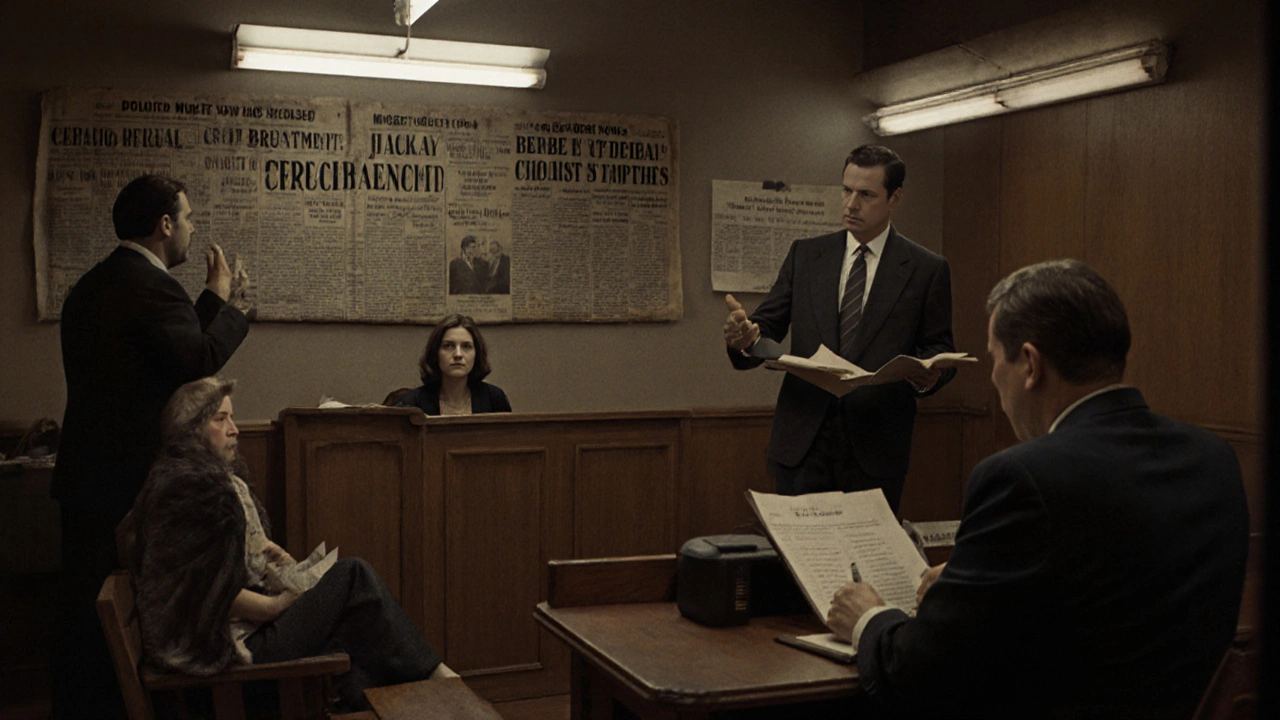
No-Fault Divorce, Delayed Marriage, and the Quiet Revolution in American Families After 1970
Nov 11 2025 / Social PolicyNo-fault divorce, introduced in California in 1970, transformed American families by making divorce easier and marriage less permanent. It led to delayed marriages, rising single-parent households, and hidden costs for children-changes still shaping society today.
VIEW MORE