Family Structure Impact Calculator
How No-Fault Divorce Changed America
Enter divorce rate trends from the article to see projected effects on family structures and child outcomes.
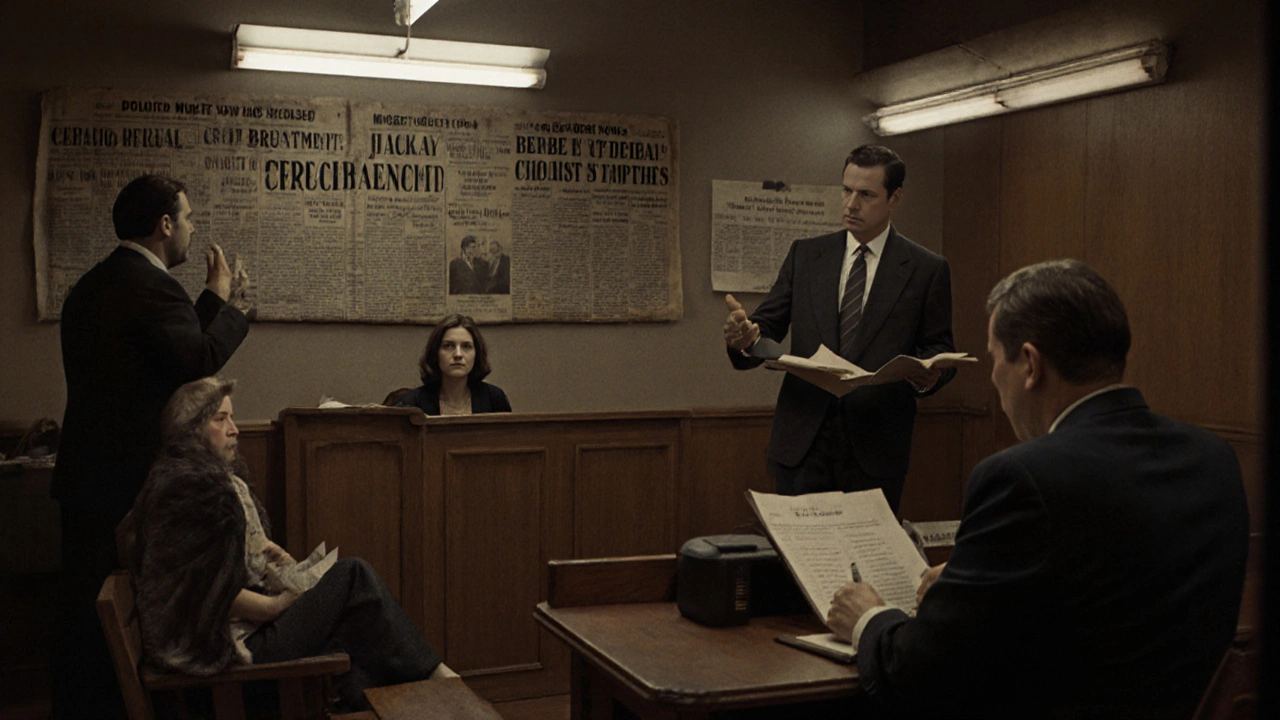
Before 1970, getting a divorce in the U.S. wasn’t just hard-it was humiliating. Courts demanded proof of wrongdoing: adultery, cruelty, abandonment. If you wanted out, you had to invent a story. One spouse had to be the villain. The other, the victim. In Texas, courts in the 1960s required testimony about "excesses, cruel treatment, or outrages" just to end a marriage. It wasn’t about healing. It was about blame.
The California Law That Changed Everything
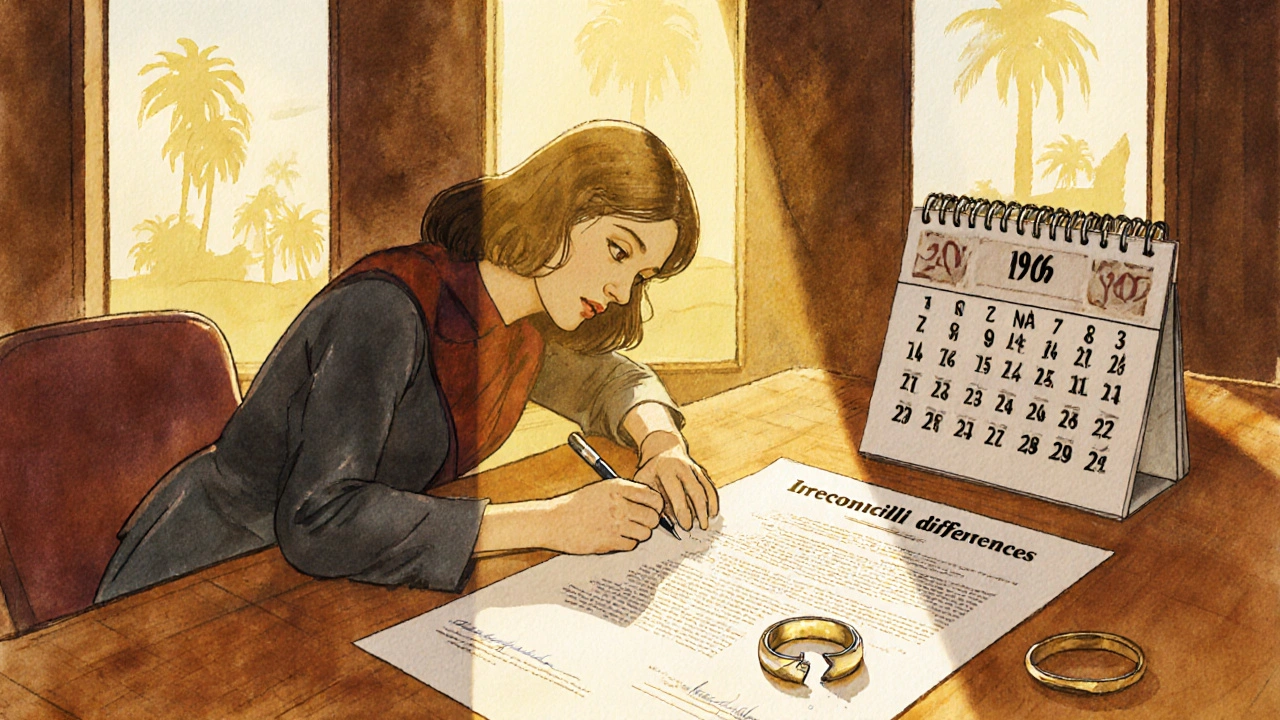
In 1969, Governor Ronald Reagan signed a law that didn’t make headlines like the moon landing-but it reshaped American life more deeply. California’s Family Law Act of 1970 replaced fault with one simple phrase: irreconcilable differences. One person could say the marriage was over. That was enough. No witnesses. No courtroom drama. No need to lie under oath.
It wasn’t radical in theory. But in practice, it was explosive. By 1985, 49 other states had copied it. By 2023, every state had some version of no-fault divorce. The Uniform Marriage and Divorce Act of 1970, drafted by legal experts, became the blueprint. And it didn’t just change the law-it changed what marriage meant.
Marriage Was No Longer a Contract
Before 1970, marriage was treated like a binding agreement. Couples stayed together for the kids, for money, for social standing. Legal scholar Margaret Brinig found that in states without no-fault divorce, newlyweds were more likely to invest in each other’s futures-paying for college, having kids, building a life together. After no-fault, those numbers dropped. By 10% for supporting a spouse through school. By 6% for having children.
Why? Because the contract changed. Marriage stopped being a permanent deal and became more like a partnership you could walk away from anytime. Legal historian Lawrence Friedman called it the shift from the "institutional model"-marriage as a social unit-to the "soul-mate model"-marriage as a source of personal happiness. If you weren’t happy, you could leave. And millions did.
Divorce Rates Skyrocketed-Then Settled
The numbers don’t lie. In 1970, 1.5% of married women got divorced each year. By 1979, that jumped to 2.3%. Canada saw a six-fold spike after introducing no-fault. In the U.S., divorce rates doubled in the first decade. But here’s what most people don’t remember: after 1980, the rate started falling. By 2017, it was back to 1.6%. Why?
Because people changed their behavior. Marriage didn’t disappear-it got delayed. The median age for a first marriage rose from 20.8 for women and 23.2 for men in 1970 to 28.8 and 30.5 by 2022. People waited longer. They dated more. They tested relationships before tying the knot. And when they did marry, they were more likely to stay-if they married at all.
The Hidden Cost: Children and Domestic Violence
Proponents of no-fault divorce promised less conflict. Less trauma. Less fighting in court. But reality was messier. Research by Linda Nielsen found that children in high-conflict divorces didn’t do better than kids stuck in high-conflict marriages. The pain didn’t vanish-it just moved.
And here’s the most overlooked consequence: domestic violence. Before no-fault, cruelty was one of the few legal ways to document abuse. Courts had to take it seriously. After no-fault, that door closed. A 2024 study of 425 divorce cases in a Midwestern county found that divorces citing cruelty were 4.2 times more likely to include protection orders. Those cases were also 37% more likely to result in sole custody for mothers. No-fault divorces? They led to joint custody 28% more often-even when abuse was present.
Lawmakers didn’t fix this. Only 14 states made minor tweaks between 2010 and 2020. Most didn’t touch it. Today, 89% of divorce attorneys say the system needs major reform. But no one has passed a law to change it.
Economic Fallout and the Rise of Single-Parent Homes
Divorce wasn’t just emotional-it was financial. In 1985, the Los Angeles Times reported that 60% of divorcing couples had less than $20,000 in combined assets. Most sold their homes just to pay lawyers. Women, especially, took the hit. Economist Betsey Stevenson found that women’s suicide rates dropped 9.7% in states that adopted no-fault first. Men’s? Rose 6.5%. Why? Because women gained freedom. Men lost control-and often, income.
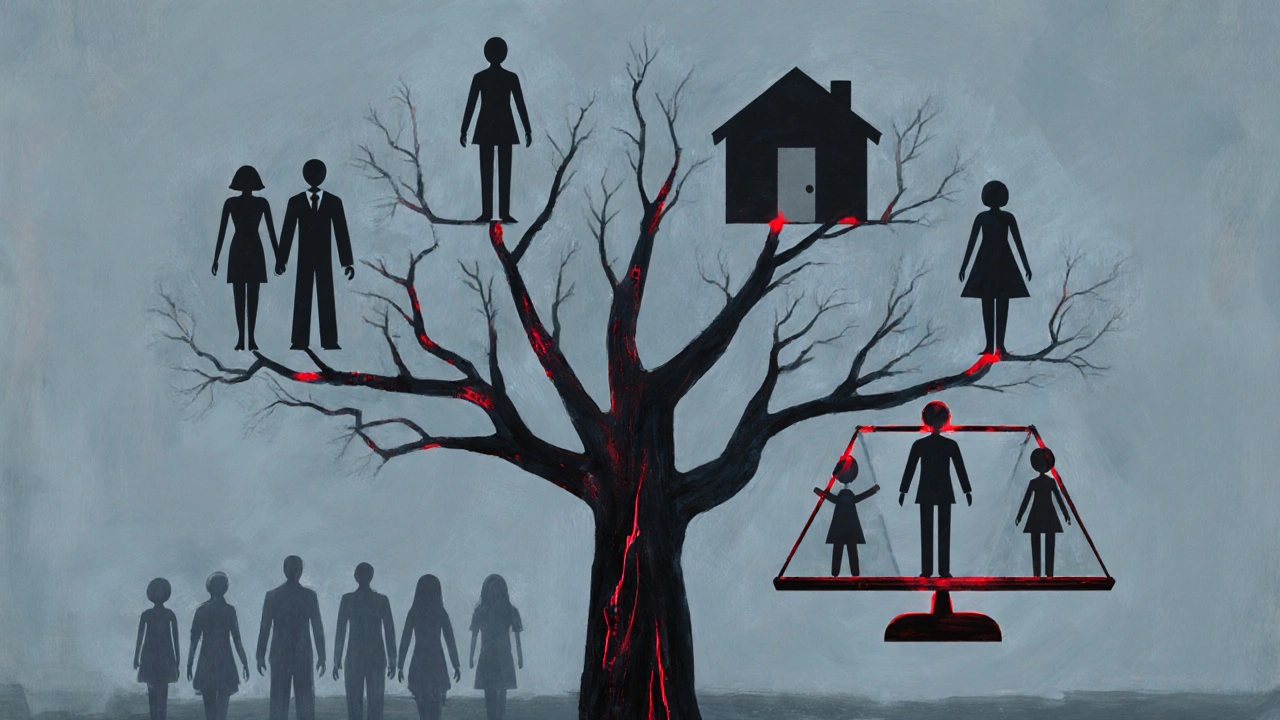
Family structures changed, too. In 1970, just 10.6% of U.S. households were "other family households"-mostly single parents or cohabiting couples. By 2022, that number was 17.4%. Children in these homes are 24% less likely to perform well academically, according to Marcia Carlson’s 2013 study. They’re also 41% more likely to suffer chronic health issues like asthma, ADHD, and frequent headaches.
Sociologist Paul Amato estimated that if family stability in 2025 matched 1960 levels, the U.S. would have 750,000 fewer kids repeating grades, 1.2 million fewer school suspensions, and 70,000 fewer suicide attempts each year. The cost of family breakdown isn’t just emotional. It’s measurable.
Why No One Has Reversed It
Despite the data, no-fault divorce remains untouched. Why? Because it gave women freedom. The National Organization for Women still defends it as essential to autonomy. And culturally, Americans have fully accepted it. In 1970, only 31% thought divorce was morally acceptable in all cases. By 2025, it’s 58%. The stigma is gone.
Legislators have tried. Between 2015 and 2023, 23% more bills were introduced to modify no-fault laws. None passed. The system is too embedded. Too popular. Too tied to the idea that adults should be free to leave unhappy relationships.
The Lasting Paradox
No-fault divorce didn’t end marriage. It redefined it. People marry later. They divorce more easily. They live in more complex families. The legal change didn’t cause all of this-but it removed the last legal barrier to change. It let society follow its instincts.
The data shows a pattern: when marriage becomes optional, fewer people choose it. But those who do? They’re more likely to stay. The divorce rate has fallen. The age to marry has climbed. The family structure has diversified. And the children? They’re paying the price.
No one planned this. It wasn’t a revolution with protests or marches. It was a quiet shift in a courtroom in Sacramento. One law. One word: "irreconcilable differences." And it changed everything.