Abortion Rights: The History, Laws, and Voices That Shaped Reproductive Freedom
When we talk about abortion rights, the legal and social ability to access safe, voluntary termination of pregnancy. Also known as reproductive rights, it's not just about medicine—it's about who controls your body, when, and why. This isn’t a new debate. For centuries, women have risked everything to end unwanted pregnancies—using herbs, tools, or secret networks—while laws punished them for it. The fight for abortion rights isn’t just about legality; it’s about whether society sees women as full human beings with the right to decide their own futures.
Reproductive autonomy, the power to make decisions about one’s own reproduction without coercion. Also known as bodily self-determination, it’s the foundation of every modern movement for gender equality. Without it, women’s access to education, jobs, and freedom is limited by someone else’s rules. And it’s not just about abortion—it connects to contraception, maternal care, and even how doctors treat pain. When states ban abortion, they don’t just block one procedure—they erase a whole system of trust between patients and providers. The same systems that criminalize abortion also ignore miscarriage care, punish self-managed care, and silence survivors of rape or fetal anomalies. Meanwhile, reproductive justice, a framework that links abortion access to race, class, and systemic inequality. Also known as intersectional reproductive rights, it reminds us that a law in a blue state won’t help a poor woman in a rural county without transportation, money, or support. This isn’t theoretical. It’s why Black, Indigenous, and low-income women still die at higher rates from pregnancy complications—even when abortion is legal.
What you’ll find in these posts isn’t just history—it’s proof that control over reproduction has always been tied to power. From Victorian doctors calling women hysterical for wanting control over their bodies, to activists fighting to include abortion in the broader fight for gender equality, the stories here show how silence, shame, and science have shaped the choices we have today. You’ll read about how legal bans didn’t stop abortions—they just made them deadlier. You’ll see how medical myths about female sexuality were used to justify control. And you’ll find voices that were erased: women who risked jail to end pregnancies, doctors who defied laws, and families who stood by them. This isn’t about politics. It’s about survival, dignity, and the quiet, relentless push for freedom that never stopped—even when the law tried to crush it.
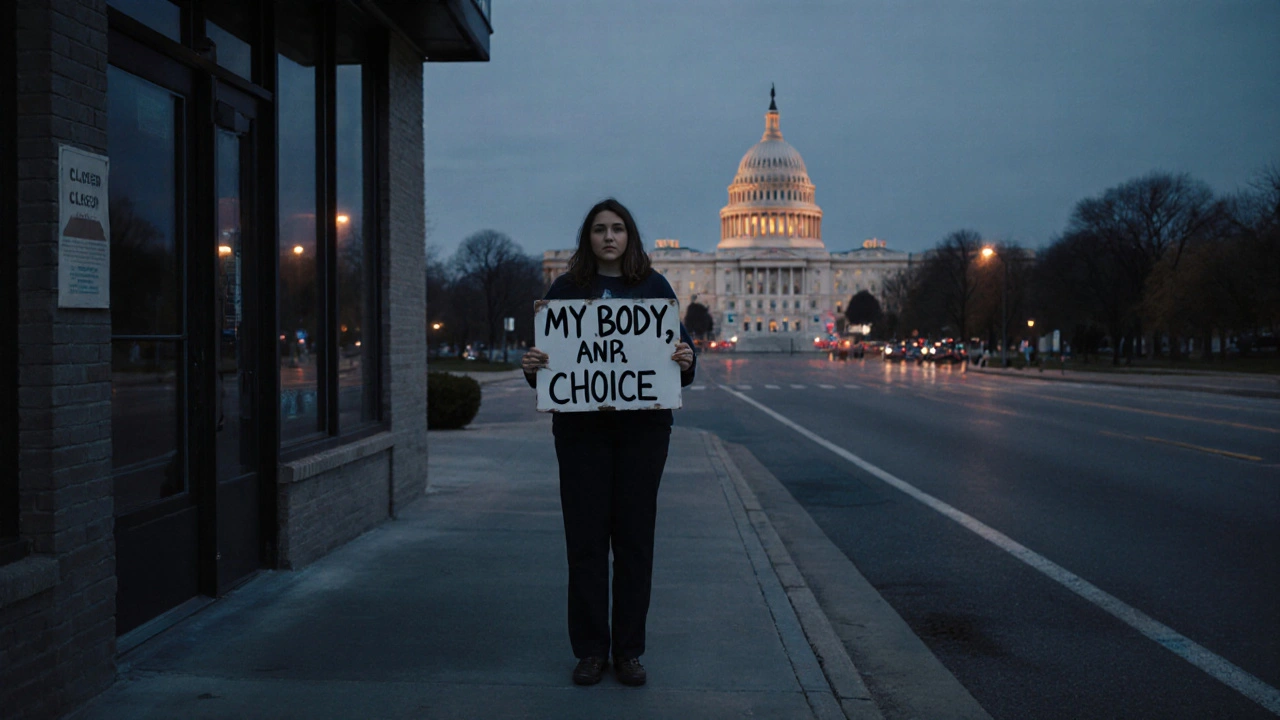
Roe v. Wade (1973): How the Supreme Court Changed Abortion Rights in America
Nov 9 2025 / Social PolicyRoe v. Wade (1973) established a constitutional right to abortion until fetal viability, but was overturned in 2022 by Dobbs v. Jackson. The decision reshaped reproductive rights in America and sparked ongoing legal and political battles.
VIEW MORE