AIDS Drug Pricing: Why Cost Keeps People From Life-Saving Treatment
When AIDS drug pricing, the cost of medications used to treat HIV and AIDS, often determined by pharmaceutical companies and government policies. Also known as HIV medication costs, it determines who lives and who dies—not based on need, but on income, geography, or luck. In the 1990s, a single month’s supply of HIV drugs could cost over $10,000. That’s more than most people earned in a year. Back then, getting treatment meant choosing between rent, food, or staying alive. Today, the same drugs cost under $100 a year in some countries. But in others, they’re still out of reach. Why? Because profit still drives access more than science.
The real story isn’t about the science of antiretroviral therapy, a combination of drugs that suppress HIV to undetectable levels, preventing transmission and extending life. It’s about power. Big Pharma spent billions lobbying to keep prices high, even as activists stormed pharmacies and governments threatened to break patents. In South Africa, activists forced drug companies to slash prices by 90%—not because they begged, but because they fought. Meanwhile, in the U.S., people still ration pills because their insurance won’t cover them. And in rural Africa, clinics still run out of stock because the supply chain is broken by bureaucracy, not shortage.
pharmaceutical profits, the financial gains made by drug companies from selling HIV medications, often far exceeding research and development costs are the elephant in the room. One company made over $2 billion in a single year from HIV drugs—while millions went without. The same drugs that saved lives in New York were denied to people in Lagos because the price tag didn’t match their income. But change is possible. Generic versions, once banned by patents, now treat over 70% of people on treatment worldwide. The breakthrough didn’t come from a lab. It came from protests, lawsuits, and people refusing to accept death as policy.
What you’ll find here isn’t just history. It’s proof that medicine shouldn’t be a privilege. These articles uncover how pricing shaped the AIDS crisis, how activists forced change, and how today’s battles over drug costs are just the next chapter in the same fight. You’ll see how the same companies that once refused to lower HIV prices now charge $1 million for gene therapies. The pattern hasn’t changed. Only the names have.
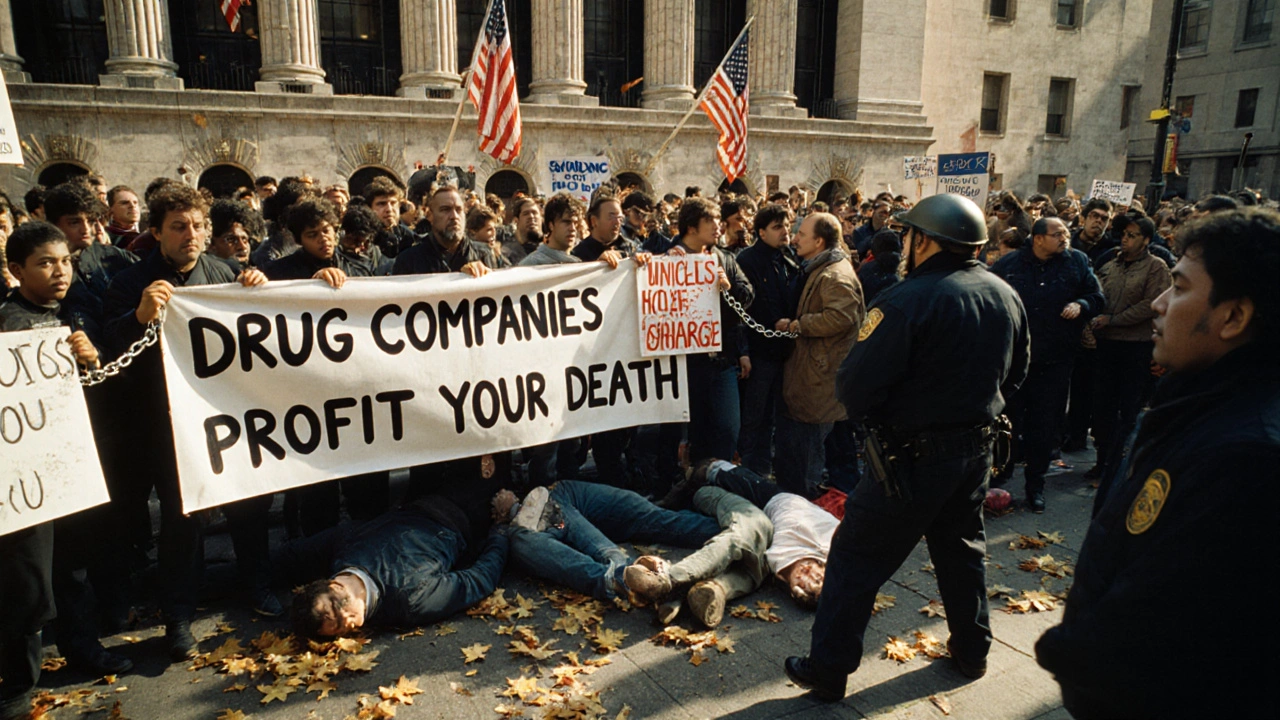
Civil Disobedience and AIDS: How Activists Forced Change in the Streets
Oct 31 2025 / Social PolicyACT UP used civil disobedience to force government and pharmaceutical companies to act during the AIDS crisis. Their protests lowered drug prices, changed medical research, and saved millions of lives.
VIEW MORE