AIDS Protests: How Activism Changed HIV Awareness and Policy
When AIDS protests, organized public demonstrations demanding government action during the HIV/AIDS epidemic began in the early 1980s, no one knew how many would die. The government ignored the crisis. Media called it a "gay plague." Doctors watched patients waste away while funding for research stayed frozen. But communities didn’t wait for permission to fight back. These protests weren’t just rallies—they were lifelines. They turned grief into power, silence into screams, and marginalization into a movement that redefined how society responds to disease.
HIV activism, the organized effort to demand medical research, treatment access, and human rights during the AIDS crisis didn’t start with petitions. It started with bodies in the streets. Groups like ACT UP used direct action: locking down the FDA, dumping ashes on the White House lawn, and chaining themselves to the doors of pharmaceutical companies. Their tactics were bold because the stakes were life and death. Meanwhile, LGBTQ+ rights, the struggle for legal equality and social acceptance for lesbian, gay, bisexual, transgender, and queer people became inseparable from the fight against AIDS. The epidemic exposed how deeply homophobia shaped policy—and how quickly that could change when people refused to be invisible. The same activists who marched for condoms also fought for marriage, adoption, and protection from job discrimination. The AIDS crisis didn’t create LGBTQ+ rights—but it gave them a voice the world couldn’t ignore.
And then there’s Stonewall Uprising, the 1969 police raid on a New York gay bar that sparked the modern LGBTQ+ rights movement. Many of the people who led AIDS protests had been there at Stonewall. They knew what it meant to be beaten, arrested, and silenced. They brought that same rage, that same refusal to be polite, into the AIDS crisis. The protests worked. Drug approvals sped up. Insurance companies changed policies. Public opinion shifted. By the mid-90s, the death toll began to drop—not because science alone moved fast enough, but because people forced it to.
What you’ll find below are stories that connect those protests to deeper truths: how sex work was criminalized during the epidemic, how Black and Brown communities were left behind, how art became medicine, and how the fight didn’t end when the pills arrived. These aren’t just historical footnotes. They’re warnings. And blueprints.
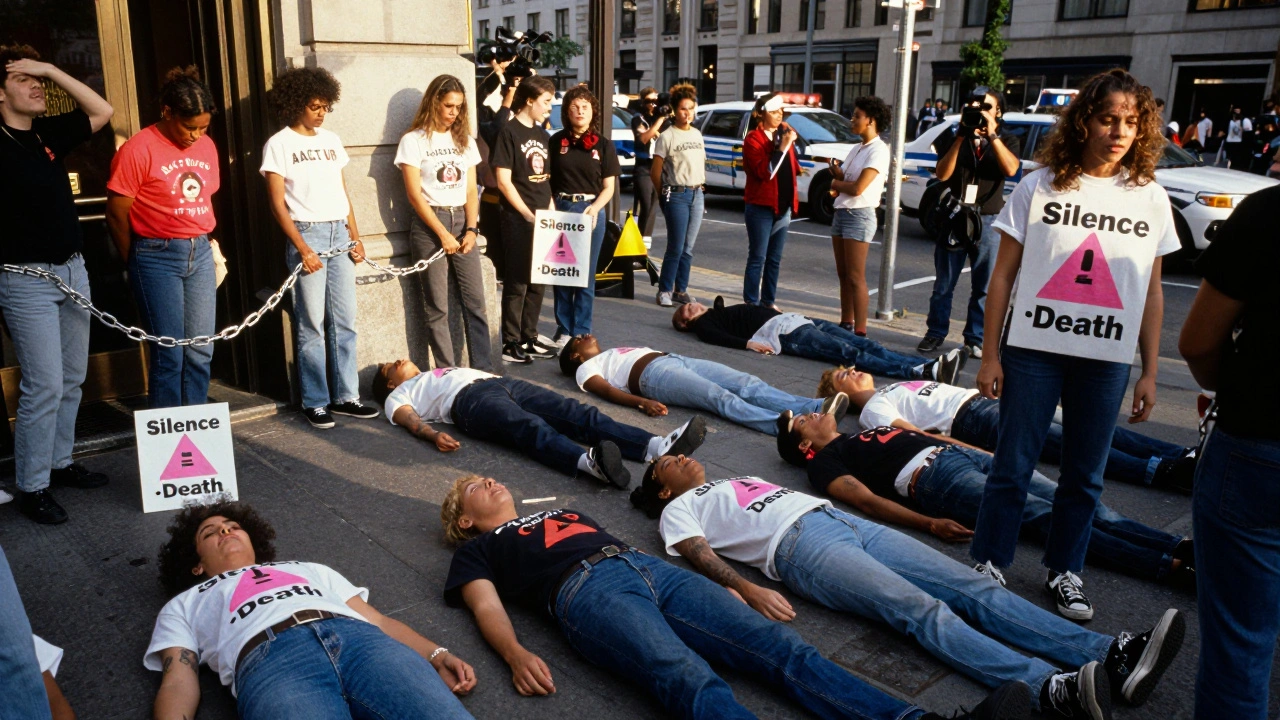
ACT UP: How Direct Action Changed the AIDS Crisis Forever
Dec 8 2025 / LGBTQ+ HistoryACT UP transformed the AIDS crisis through fearless direct action, forcing governments and drug companies to act. Their protests saved millions, changed medical policy, and redefined patient rights - all without waiting for permission.
VIEW MORE