Asexual Reproduction: Why Some Species Skip Sex and Still Thrive
When it comes to making babies, most animals and plants do it the hard way—by mixing genes with a partner. But asexual reproduction, a method where an organism produces genetically identical offspring without mating. Also known as cloning, it’s how some lizards, insects, and even sharks skip the whole dating scene and still multiply fast. You’d think sex would win every time. After all, it’s messy, risky, and requires finding someone willing to cooperate. Yet asexual reproduction is everywhere—in starfish regrowing limbs, aphids cloning themselves by the dozen, and whiptail lizards that pair up and mate with each other without males. So why does sex even exist?
The answer lies in the two-fold cost of sex, the evolutionary disadvantage where sexually reproducing species only pass on half their genes to each offspring, while asexual ones pass on all. If you’re an asexual female, every kid you make carries 100% of your DNA. A sexual female? Only 50%. That’s a huge advantage—on paper. But nature doesn’t care about short-term wins. The real game is long-term survival. That’s where the Red Queen hypothesis, the idea that species must constantly evolve just to keep up with parasites and pathogens. comes in. Sex shuffles genes like a deck of cards, making it harder for diseases to target every individual the same way. Asexual clones? They’re all the same. One bug, one toxin, one environmental shift—and the whole line could vanish. That’s also why Muller’s ratchet, the process where harmful mutations build up over generations in asexual populations without being cleaned out by recombination. is such a threat. No sex means no reset button for genetic errors.
And yet, asexual reproduction isn’t a dead end—it’s a smart shortcut. In stable environments, where you don’t need to adapt fast, cloning works perfectly. It’s faster, cheaper, and doesn’t require finding a mate. Some species even switch between both methods depending on the season or stress levels. The fact that we see both strategies thriving across the tree of life tells us one thing: there’s no single right way to reproduce. The real question isn’t why sex exists—it’s why asexual reproduction hasn’t taken over completely. The answer isn’t in biology alone. It’s in the balance between speed and resilience, between cloning and change. Below, you’ll find real stories from history, science, and culture that unpack this tension—from ancient Etruscan rituals to modern IVF timing, from feminist debates on orgasm to the hidden biology behind why some bodies work differently than others. This isn’t just about how life multiplies. It’s about why it survives.

Why Sexual Reproduction Won Evolutionary Arms Race Against Asexual Reproduction
Jan 30 2026 / History & CultureSexual reproduction persists despite its higher costs because it generates genetic diversity, helping populations adapt to diseases and environmental changes. Asexual reproduction may be faster, but sex wins in the long run.
VIEW MORE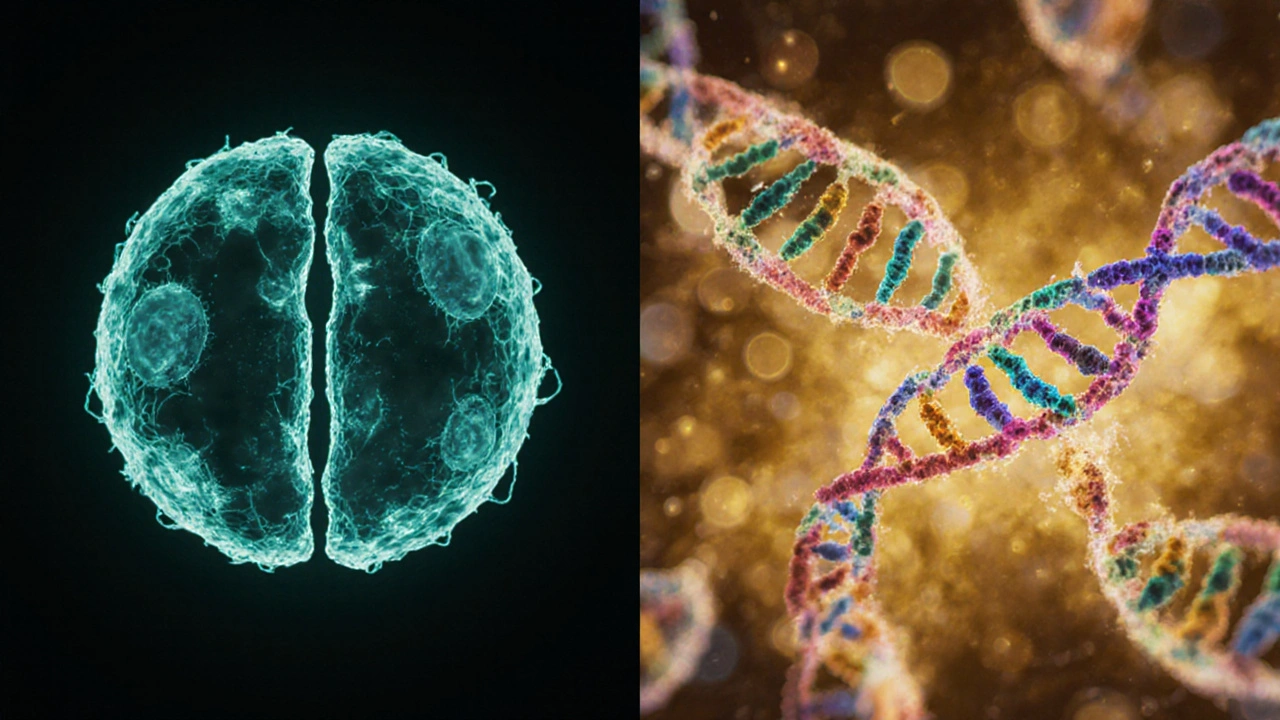
From Asexual Cloning to Gametes: How Sexual Reproduction Changed Evolution Forever
Nov 12 2025 / Health & WellnessSexual reproduction, despite its costs, dominates life on Earth because it creates genetic diversity that helps species survive parasites, disease, and change. This evolutionary shift from cloning to gametes reshaped biology forever.
VIEW MORE