Biphobia: Understanding Prejudice Against Bisexual People in History and Today
When we talk about biphobia, the fear, hatred, or prejudice against people who are attracted to more than one gender. Also known as bisexual erasure, it’s not just about slurs or stares—it’s about being told your identity isn’t real, your relationships are just phases, or that you’re too confused to be trusted. This isn’t new. For centuries, bisexuality has been ignored, mocked, or erased from history books, medical records, and even LGBTQ+ movements. While gay and lesbian identities gained visibility through activism, bisexual people were often left out—called ‘indecisive,’ ‘greedy,’ or ‘just going through a stage.’
That erasure didn’t happen by accident. In the 1950s, sexologists like Alfred Kinsey mapped human sexuality on a spectrum, but his findings were buried by institutions that preferred binary thinking. In the 1970s, during the gay liberation movement, some leaders openly dismissed bisexuality as a threat to political unity. Even today, bisexual people face higher rates of depression, domestic violence, and poverty than their gay or straight peers—yet they’re rarely included in health studies or policy discussions. Meanwhile, media still portrays bisexuality as a joke, a trap, or a fantasy for straight men. This isn’t just bias—it’s structural. And it’s why you’ll find articles here that trace how LGBTQ+ rights, legal and social protections for people of all sexual orientations and gender identities have been shaped by who got included—and who got silenced. You’ll also see how sexual shame, the internalized guilt pushed onto people for their desires targets bisexuals differently: not for being too open, but for being too ambiguous. And you’ll find stories of how historical silence, the deliberate omission of certain identities from records and narratives made it harder for bisexual people to find themselves in the past—and harder to fight for recognition now.
What you’ll find below isn’t just a list of articles. It’s a map of how power, language, and history have been used to make bisexuality invisible—and how people are reclaiming it. From the way Victorian doctors pathologized desire to how modern legal systems still fail bisexual people, these pieces connect the dots between personal pain and systemic neglect. There’s no fluff. No platitudes. Just real history, real data, and real stories that prove: biphobia isn’t a relic. It’s active. And it’s time we named it, tracked it, and fought back.
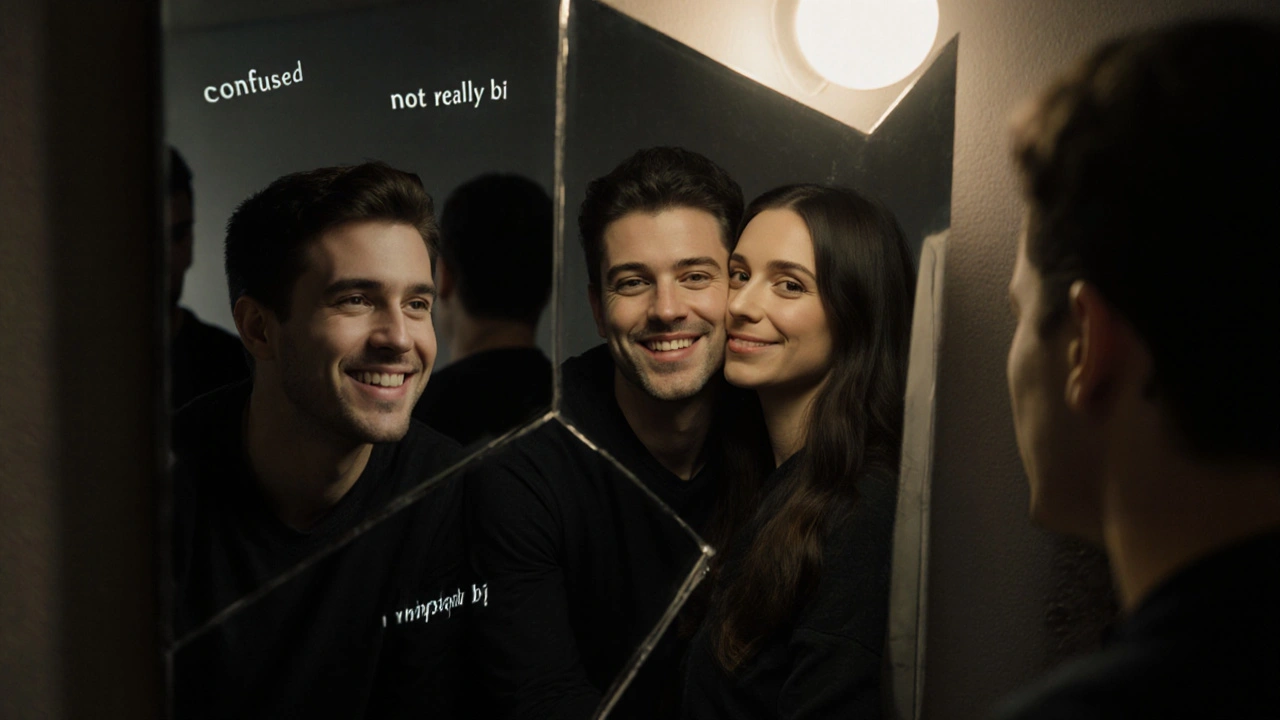
Bisexual Erasure and Validation: How Research and Culture Silence a Majority Identity
Nov 27 2025 / LGBTQ+ HistoryBisexual erasure silences a majority of LGBTQ+ people through denial, demand for proof, and harmful stereotypes. This article explores how research, culture, and even LGBTQ+ spaces contribute to this invisibility-and what real validation looks like.
VIEW MORE