Birth Control Safety: What You Need to Know About Methods, Risks, and Real-World Use
When it comes to birth control safety, the practical, medical, and personal considerations around preventing pregnancy. Also known as contraceptive safety, it's not just about picking a pill—it's about understanding how your body reacts, what the real risks are, and how to spot warning signs before they become problems. Millions rely on hormonal methods, IUDs, or barrier options every day, but too many don’t know the difference between rare side effects and red flags that need a doctor’s attention.
Hormonal contraception, methods like the pill, patch, or ring that use synthetic hormones to stop ovulation. Also known as combined oral contraceptives, these are effective—but they aren’t risk-free. Blood clots, migraines with aura, and elevated blood pressure aren’t just footnotes in the pamphlet—they’re real concerns that require honest conversation with your provider. And if you’re over 35 and smoke? That combination increases your risk significantly. Not every side effect is the same. Some people get lighter periods. Others get mood swings or weight changes. What’s normal for one person might be a sign to switch for another. Then there’s the IUD, a small, T-shaped device inserted into the uterus to prevent pregnancy for years. Also known as intrauterine device, it’s one of the most effective forms of birth control, with failure rates under 1%. But insertion can be uncomfortable, and some users report heavier periods at first—or cramping that lasts weeks. It’s not for everyone, but for those who want long-term protection without daily upkeep, it’s often the safest bet. And don’t forget emergency contraception, a backup option used after unprotected sex or contraceptive failure. Also known as morning-after pill, it works best within 24 hours, but some types can still help up to five days later. It’s not abortion. It’s not a regular method. But knowing where to get it fast—and how it actually works—can make all the difference.
Birth control safety also means knowing when to speak up. If you’re dizzy, have chest pain, or suddenly can’t see clearly, don’t wait. Those aren’t "just side effects." They’re signals. And if your provider dismisses your concerns because "it’s probably fine," find someone who listens. Your body isn’t a lab experiment. It’s yours. The methods available today are better than ever, but they’re not one-size-fits-all. What works for your friend might not work for you—and that’s okay. The goal isn’t just to prevent pregnancy. It’s to do it without sacrificing your health, your peace of mind, or your quality of life.
Below, you’ll find real stories, medical history, and overlooked truths about how contraception has shaped women’s lives—from the steam-powered vibrators once sold to treat "hysteria," to the legal battles over reproductive rights, to the quiet ways shame still shapes how we talk about our bodies. These aren’t just articles. They’re tools to help you make smarter, safer choices.
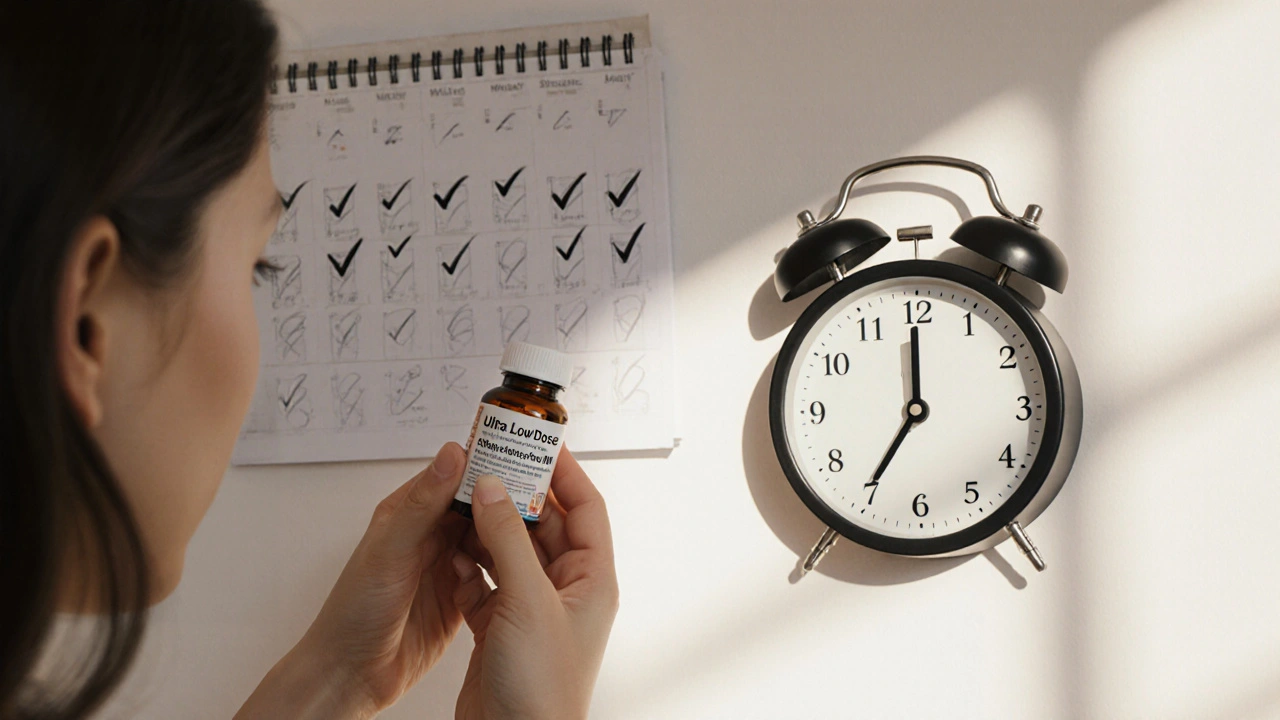
Modern Low-Hormone Birth Control Pills: Safety, Effectiveness, and What You Need to Know
Nov 17 2025 / Health & WellnessModern low-hormone birth control pills offer fewer side effects than older versions, but require strict daily use. Learn how they work, who they’re best for, and why timing matters more than dose.
VIEW MORE