Bisexual Erasure: Why Bisexuality Is Ignored in History and Media
When we talk about sexual orientation, bisexual erasure, the systematic denial or invisibility of bisexuality in culture, media, and history. Also known as biphobic invisibility, it’s not just forgetting people—it’s insisting they don’t exist. You’ve seen it: a woman dates a man, she’s straight. She dates a woman, she’s gay. Never bisexual. Same for men. The moment someone’s attraction crosses gender lines, their identity gets rewritten by others. This isn’t accidental. It’s built into how we tell stories about sex, power, and identity.
LGBTQ+ history, the documented experiences of people who love outside heteronormative boundaries is full of gaps where bisexuality should be. Think of the women in Victorian-era letters who lived together for decades—called "romantic friends" to avoid naming their desire. Or the men in 1920s jazz clubs who moved fluidly between partners—never labeled, never counted. Biphobia, the fear, distrust, or prejudice against bisexual people thrives in silence. It’s why Anne Koedt’s work on female pleasure was radical, but her bisexuality was left out of most feminist histories. It’s why the Stonewall uprising had bisexual organizers like Marsha P. Johnson, yet mainstream narratives focus only on gay and lesbian icons. Even today, dating apps force you into boxes. Media shows gay and straight couples, but rarely the ones in between. And when they do, it’s often framed as a phase, a lie, or a joke.
What you’ll find here isn’t theory—it’s evidence. Articles that dig into how medical records erased female same-sex relationships, how Victorian norms forced people into binary roles, how archival silence protected power, and how modern laws still fail bisexual people. You’ll read about the hidden queer lives in Etruscan tombs, the coded language in Elizabethan poetry, and how the very structure of marriage was designed to erase fluid desire. This isn’t about labels. It’s about who gets to be seen, who gets to be remembered, and why the truth about human attraction has always been messier than the stories we’re told.
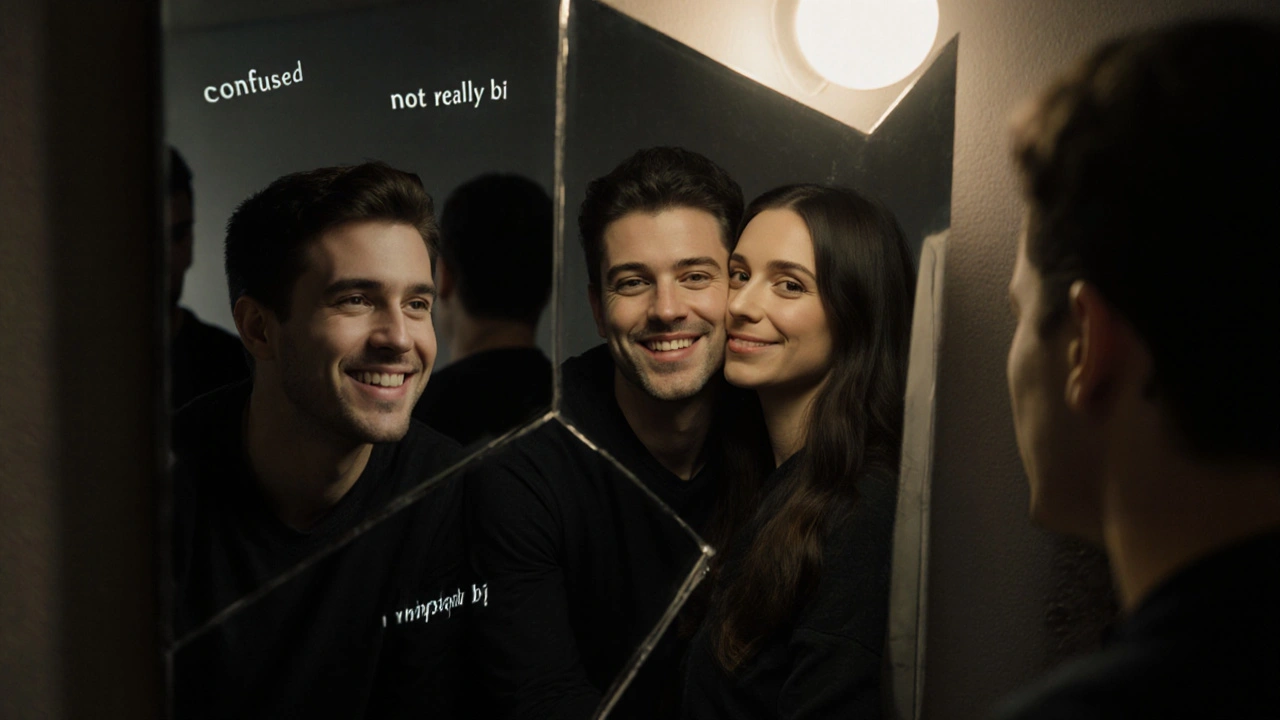
Bisexual Erasure and Validation: How Research and Culture Silence a Majority Identity
Nov 27 2025 / LGBTQ+ HistoryBisexual erasure silences a majority of LGBTQ+ people through denial, demand for proof, and harmful stereotypes. This article explores how research, culture, and even LGBTQ+ spaces contribute to this invisibility-and what real validation looks like.
VIEW MORE