Bisexual Validation: Understanding Identity, Erasure, and the Fight for Visibility
When we talk about bisexual validation, the process of recognizing and affirming attraction to more than one gender as legitimate and whole. Also known as bi visibility, it’s not just about being seen—it’s about being believed. For decades, bisexuality has been dismissed as a phase, a confusion, or a lie told to please others. Even within LGBTQ+ spaces, bi people have been told they’re not queer enough, too privileged, or just confused. This isn’t just outdated thinking—it’s a pattern of erasure rooted in history, science, and culture.
Bisexual erasure, the systematic denial or invisibility of bisexual identities in media, research, and policy. Also known as bi invisibility, it’s why studies on sexual orientation often group bi people into heterosexual or homosexual buckets—erasing their reality. This isn’t accidental. From Victorian doctors who called same-sex desire a "contagion" to modern surveys that don’t offer "bisexual" as an option, the silence has been engineered. Even today, when people say "it’s just attraction," they’re ignoring how society punishes fluidity. Bisexual validation pushes back by naming the harm: when you’re told your identity doesn’t count, it chips away at your mental health, your relationships, and your sense of safety.
LGBTQ+ identity, a broad term for people whose sexual orientation, gender identity, or expression differs from societal norms. Also known as queer identity, it’s not a monolith—bi people are part of this, but rarely centered. The posts here don’t just talk about bi people in passing. They dig into the deeper systems that shape how we understand desire: from Victorian gender roles that forced people into rigid boxes, to feminist essays that reclaimed female pleasure on their own terms, to the archival silence around lesbian history that also buried bi women. These stories show how power works—not just in laws or clinics, but in the quiet assumptions we all absorb. When you understand how masturbation was once called a disease, or how medieval marriages were economic deals, you see how sexuality has always been controlled. Bisexual validation isn’t new—it’s a return to what’s always been true: attraction doesn’t fit neat categories, and people have always found ways to live outside them.
What you’ll find below isn’t a list of articles—it’s a collection of proof. Proof that desire has always been messy. Proof that silence was never neutral. And proof that when people finally speak up—about clitoral orgasms, about gay bar raids, about the real history of sex toys—they don’t just change history. They make space for those who were told they didn’t belong.
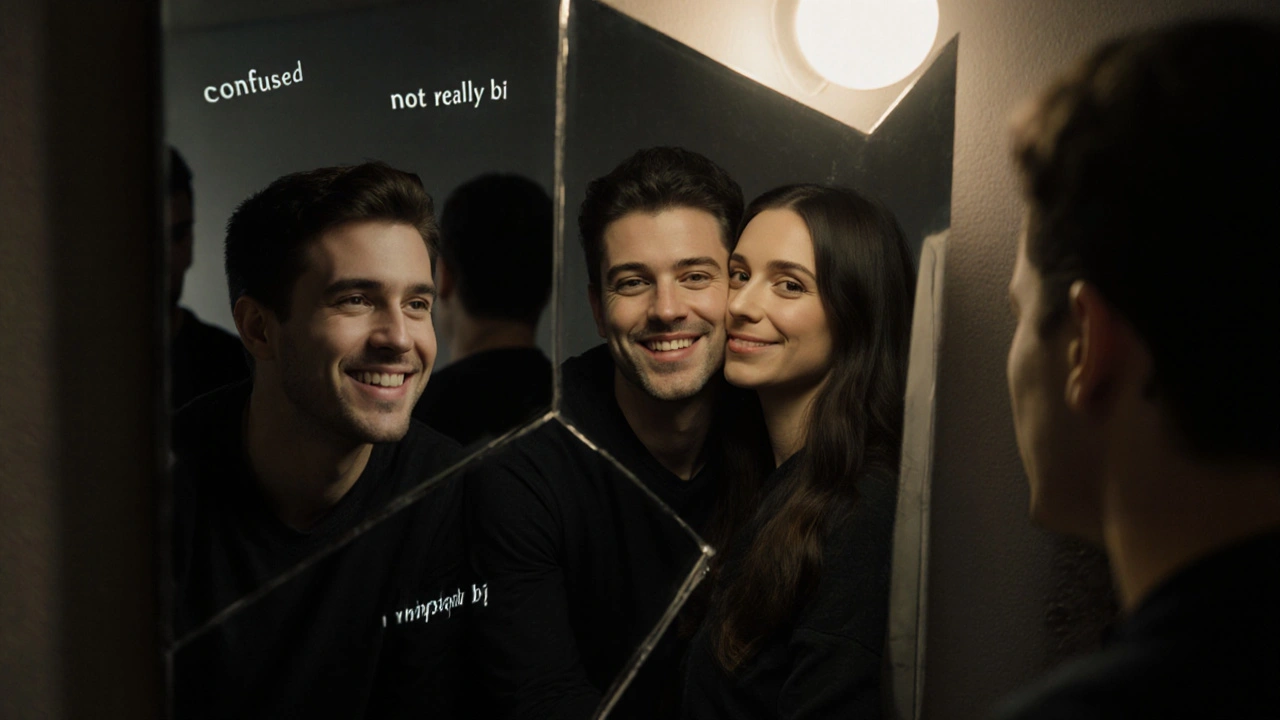
Bisexual Erasure and Validation: How Research and Culture Silence a Majority Identity
Nov 27 2025 / LGBTQ+ HistoryBisexual erasure silences a majority of LGBTQ+ people through denial, demand for proof, and harmful stereotypes. This article explores how research, culture, and even LGBTQ+ spaces contribute to this invisibility-and what real validation looks like.
VIEW MORE