Bride Price: The History, Culture, and Modern Impact of Marriage Payments
When you hear bride price, a payment made by the groom’s family to the bride’s family as part of a marriage agreement. Also known as lobola, it’s not just a tradition—it’s a legal, economic, and social contract that has defined relationships across continents for millennia. Unlike a dowry system, a payment made by the bride’s family to the groom’s, bride price flips the script: it signals value, respect, and compensation for the loss of a daughter’s labor and reproductive potential. This isn’t about buying a person—it’s about balancing power, securing alliances, and honoring kinship ties.
Across Africa, Asia, and parts of Oceania, bride price wasn’t optional—it was the foundation of marriage. In many cultures, the amount wasn’t arbitrary; it reflected the bride’s education, social standing, or even her fertility potential. In parts of Kenya and South Africa, cattle were the currency. In China’s rural regions, cash payments once determined whether a union could proceed. These payments didn’t just bind two people—they tied two families together, reshaped inheritance, and sometimes dictated who got to inherit land or run a business. And while modern laws often claim to ban the practice, it persists—not as slavery, but as a deeply rooted cultural mechanism that still influences who marries whom, and why.
Today, bride price is caught between tradition and change. Young couples in Nigeria and Zambia are renegotiating it as a symbolic gesture, not a financial burden. Feminists argue it can reinforce the idea that women are property, while others say it protects women by ensuring their families are invested in the marriage’s success. In places where divorce is hard to get, bride price can be a lifeline—if it’s returned, the woman can walk away with dignity. But when it’s demanded excessively, it traps women in abusive relationships or pushes families into debt. The real question isn’t whether it should disappear—it’s how to redefine it so it serves people, not power.
What you’ll find here isn’t just history—it’s the messy, real-life impact of bride price on gender, economics, and personal freedom. From medieval alliances to modern court cases, these articles uncover how this ancient practice still shapes who we love, how we live, and what we’re willing to pay for it.
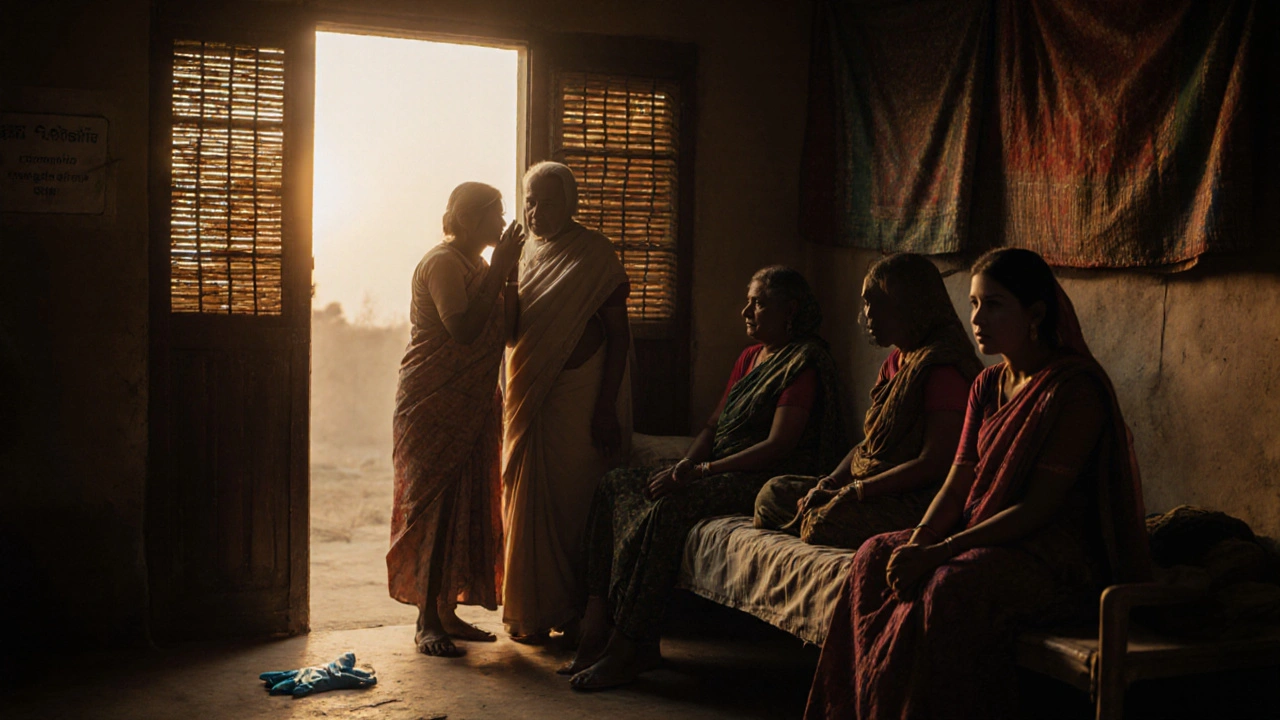
Female Virginity in India: How Honor, Economics, and Bride Price Shape Marriage Decisions
Oct 31 2025 / EconomicsFemale virginity in India is tied to family honor and marriage economics, influencing dowry, bride price, and social status. Despite being unscientific and illegal, virginity testing persists, especially in rural areas, while urban youth increasingly reject the norm.
VIEW MORE