Why Virginity Still Matters in Indian Marriages
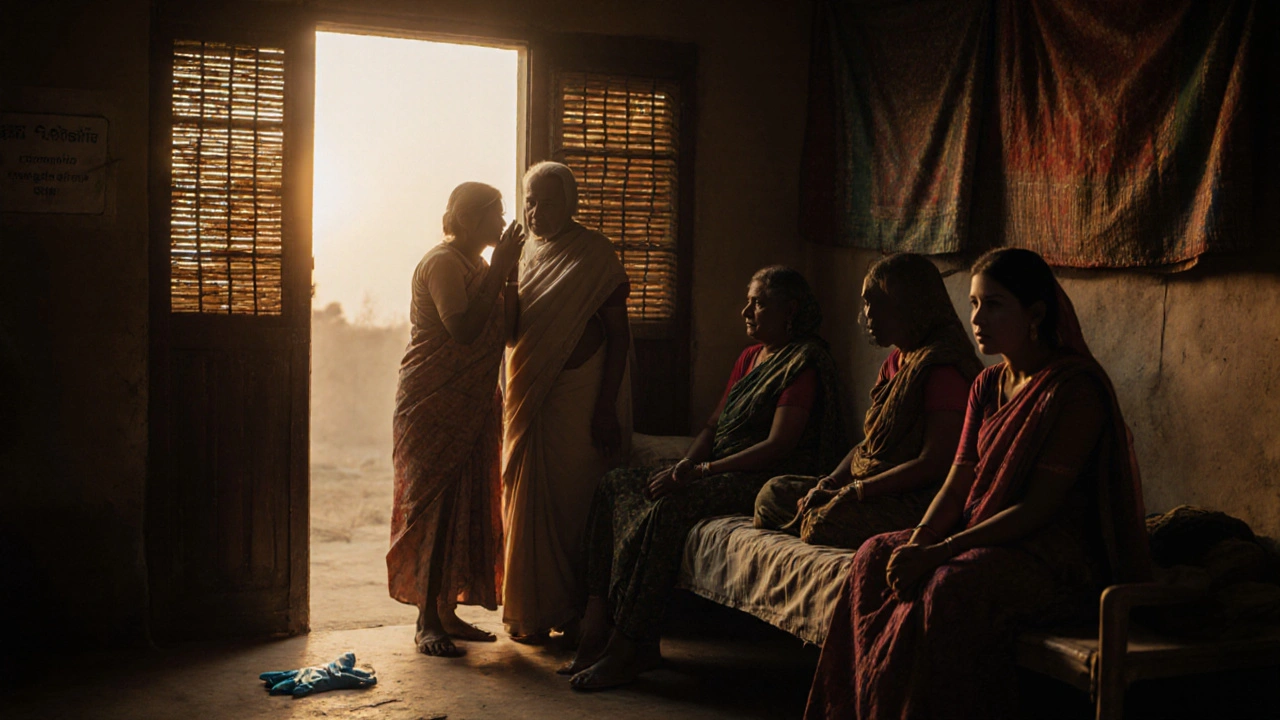
In rural India, a girl’s virginity isn’t just a personal detail-it’s a financial asset. Families spend months preparing their daughters for marriage, not just with dowries and jewelry, but with unspoken rules: stay pure, stay quiet, stay untested. Even today, in 2025, 61% of arranged marriages in India still treat female virginity as a non-negotiable condition, according to the National Commission for Women. This isn’t about religion or tradition alone-it’s economics. A bride’s perceived purity directly affects how much her family can demand-or give-in marriage negotiations.
The Myth of the Hymen
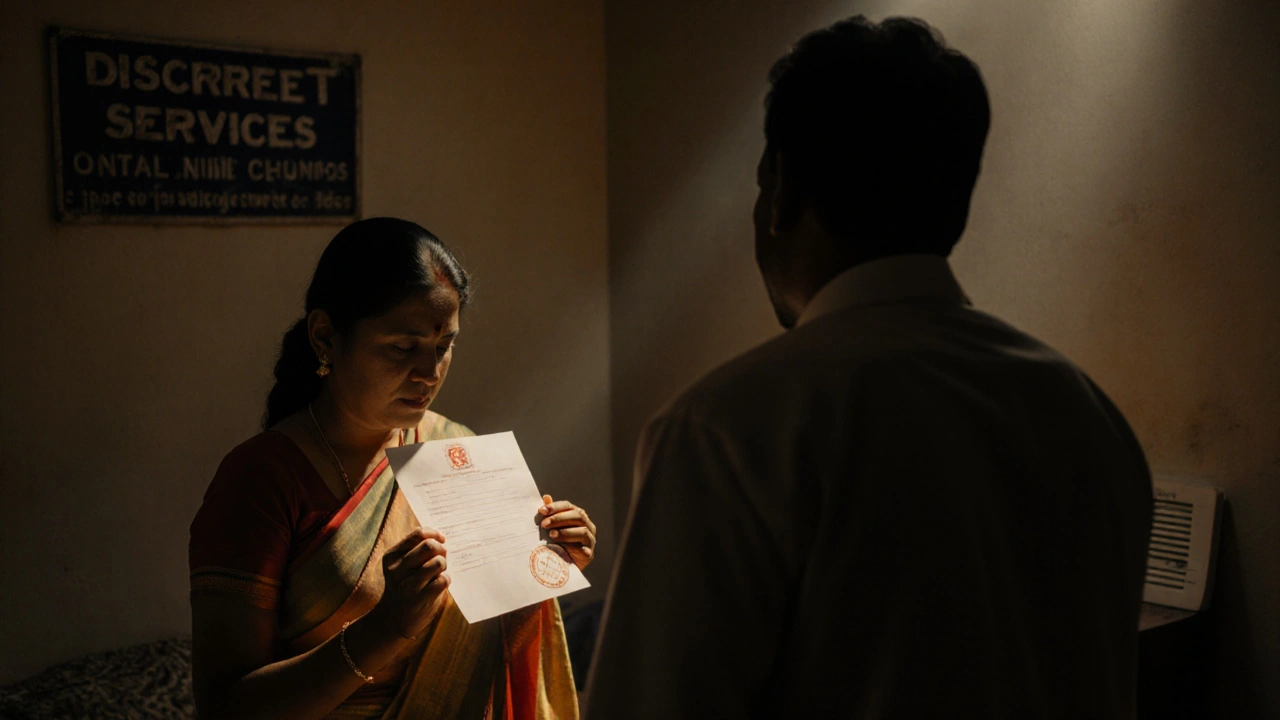
There’s no medical test that can prove virginity. The hymen isn’t a seal-it’s a thin membrane that can tear from sports, cycling, or even tampon use. Yet, in 42% of government hospitals across India, doctors still perform the so-called ‘two-finger test’ on brides, inserting fingers to check for ‘looseness.’ The Indian Council of Medical Research banned this practice in 2014. The Supreme Court called it unscientific and degrading in 2013. But enforcement? Nearly nonexistent. Rural health centers continue the practice because families demand it. A 2021 National Human Rights Commission report found 68% of rural clinics still do it. And in cities like Mumbai and Delhi, private clinics quietly offer fake virginity certificates for ₹5,000 to ₹15,000 ($60-$180). These aren’t medical documents. They’re transactional tools.
How Virginity Affects Dowry and Bride Price
Dowry is illegal in India since 1961. But the law doesn’t stop the practice-it just hides it. Instead of cash or gold, families now negotiate in terms of social capital. A virgin bride can mean a higher dowry. A non-virgin bride? Her family might be asked to pay extra-sometimes thousands of rupees-to cover the ‘loss’ in marriage value. Anthropologist Dr. Patricia Uberoi’s research found that in 28% of Indian communities, families impose direct financial penalties if a bride isn’t considered pure. In some parts of Bihar and Uttar Pradesh, the groom’s family may demand the return of wedding gifts or even cancel the marriage entirely if rumors surface. This isn’t folklore. It’s documented in court cases and surveys.
Urban vs. Rural: A Growing Divide
In cities like Bangalore and Pune, young people are moving on. A 2023 Tinder survey of 5,000 Indian millennials showed 76% consider virginity irrelevant to compatibility. Marriage.com’s 2024 data found 62% of brides over 25 report having had sex before marriage. But in rural areas, the numbers flip. In Bihar, only 12% of young women report premarital sex. In Kerala, it’s 38%. The gap isn’t just geography-it’s access. Urban youth have smartphones, sex education apps, and peer networks. Rural girls? They get warnings from mothers and aunts. The National Family Health Survey (2019-21) found that 78% of sexual education in India happens through informal gossip, not schools or clinics. That’s why myths persist: that bleeding equals virginity, that a tight hymen proves purity, that a doctor’s stamp can verify something science says can’t be measured.
The Rise of Hymenoplasty
When the pressure mounts, some families turn to surgery. Hymenoplasty-the procedure to reconstruct the hymen-has become a booming industry in India. The market hit ₹18.7 crore ($2.25 million) in 2023, according to Technopak Advisors. Most procedures happen in Delhi, Mumbai, and Bangalore. Clinics advertise discreet services with promises of ‘natural-looking results.’ But here’s the catch: 68% of Indian medical students believe this surgery guarantees a ‘pass’ in virginity tests. That’s not true. Surgeons can’t recreate bleeding. They can’t control how the body reacts during intercourse. But families don’t care about science-they care about appearances. A 2024 Urban Company survey found 37% of matrimonial agencies still ask for virginity certificates. If the bride can’t produce one, she’s either pressured into surgery or rejected.

What’s Changing-and What’s Not
There are signs of progress. The Delhi High Court ruled in July 2023 that mandatory pre-marital virginity tests violate human rights. The Ministry of Health announced a ₹22 crore ($2.6 million) Sexual Health Literacy Mission launching in April 2025 to educate youth. And among Gen Z Indians, only 28% say virginity matters-down from 63% among Baby Boomers. But change is slow. In 2024, 49% of urban youth still said virginity was important for marriageability, even if they didn’t believe in it themselves. Why? Fear. Fear of family shame. Fear of being labeled ‘impure.’ Fear that their brothers won’t find wives if their sister’s reputation is tainted. The system isn’t broken-it’s reinforced by silence.
The Human Cost
Behind the statistics are real people. On Reddit, a 28-year-old woman from Delhi shared how she paid ₹8,500 for a fake doctor’s certificate to satisfy her fiancé’s family. A 20-year-old from Rajasthan was forced to undergo a hymen examination in front of her future in-laws. A woman in Madhya Pradesh was abandoned after her wedding night when she didn’t bleed. These aren’t rare cases. They’re systemic. The Sahaay helpline, run by the NGO SANGRAM, receives 12,000 calls a month-mostly from girls aged 18-24 asking how to hide their past or avoid a test. There’s no government counseling for them. No legal aid. Just silence.
What Comes Next?
India won’t end virginity-based discrimination overnight. But the tide is turning. More women are refusing to undergo tests. More grooms are choosing love over tradition. More courts are siding with individual rights. The economic engine that drives this system-marriage markets, dowry negotiations, social status-is starting to stall in cities. But in villages, where education is limited and gossip is law, the pressure remains fierce. The real battle isn’t about biology. It’s about power: who controls a woman’s body, and who profits from her silence.
Is virginity testing legal in India?
No, virginity testing is illegal in India. The Indian Council of Medical Research banned the two-finger test in 2014, and the Supreme Court called it unscientific and degrading in 2013. However, the practice continues in 42% of government hospitals and many private clinics, especially in rural areas. Enforcement is weak, and families often demand it anyway.
Does a woman’s virginity affect her dowry?
Yes, even though dowry is illegal, the practice continues in disguised forms. Families of non-virgin brides are sometimes asked to return gifts, pay extra money, or reduce the dowry amount. In some communities, a bride’s perceived purity directly influences how much the groom’s family is willing to offer. This isn’t written in law-it’s enforced through social pressure.
What is hymenoplasty, and why is it popular in India?
Hymenoplasty is a surgical procedure to reconstruct the hymen, often marketed as a way to ‘restore virginity.’ It’s popular in India because families pressure brides to appear pure before marriage. The market is worth ₹18.7 crore ($2.25 million) in 2023, mostly in metro cities. But the surgery doesn’t guarantee bleeding during intercourse-it just gives families a false sense of security.
Do Indian men care about their bride’s virginity?
It varies. In urban areas, 76% of millennial men say virginity doesn’t matter for compatibility, according to a 2023 Tinder survey. But in rural areas and traditional families, 79% still see it as essential. Many men don’t personally care-but they fear social judgment from relatives or neighbors. The pressure often comes from the family, not the groom.
Are there any support systems for women facing virginity pressure?
Very few. Only 17% of government health centers offer non-judgmental sexual health counseling. The main support comes from NGOs like SANGRAM’s Sahaay helpline, which gets 12,000 calls a month from girls seeking advice on avoiding tests or dealing with family pressure. Legal aid is rare, and most women feel they have no choice but to comply.