Bronze Mirrors: Ancient Symbols of Power, Beauty, and Sexuality
When you think of bronze mirrors, polished metal surfaces used in antiquity for reflection, ritual, and personal adornment. Also known as ancient mirrors, they were far more than vanity tools—they were objects of spiritual weight, social status, and sexual expression. In places like Etruria, Greece, and Rome, these mirrors weren’t tucked away in bathrooms. They were buried with the dead, carved with intimate scenes, and given as gifts between lovers. Women held them in tomb paintings, not just to check their hair, but to signal control over their own image and sexuality.
These mirrors often featured engravings of gods, nymphs, and erotic moments—scenes that connected beauty to divine favor, and pleasure to the afterlife. The Etruscan art, a rich tradition of funerary and domestic imagery that openly depicted sexuality and ritual shows women holding mirrors while surrounded by lovers or deities, suggesting the mirror wasn’t just a tool—it was a bridge between the physical and spiritual worlds. In some cultures, the mirror was believed to capture the soul, making its surface a sacred space. That’s why you’ll find them in graves: not as everyday items, but as companions for the journey beyond death.
The link between sexual symbolism, the use of imagery and objects to represent desire, power, and identity in ancient societies and bronze mirrors runs deep. Unlike modern mirrors, which are mass-produced and hidden, ancient ones were handcrafted, often by skilled artisans, and their designs told stories. A mirror engraved with a goddess seducing a mortal wasn’t just decoration—it was a statement about female agency, divine approval of pleasure, and the blurring of sacred and sexual realms. These weren’t just objects for grooming; they were tools of identity, especially for women who had limited control over their lives. Holding a bronze mirror meant claiming visibility in a world that often tried to erase it.
And then there’s the gender angle. While men were buried with weapons and tools, women were often buried with mirrors—sometimes alongside jewelry, perfume, or even sex toys. This wasn’t accidental. It shows how ancient societies linked femininity not just to appearance, but to autonomy, ritual, and desire. The gender in antiquity, the social roles, expectations, and power dynamics assigned to men and women in ancient cultures wasn’t as rigid as we’re often told. These mirrors reveal women as active participants in their own sexuality, not passive subjects.
What you’ll find below isn’t just a list of articles—it’s a collection that pulls back the veil on how objects like bronze mirrors connect to bigger stories: how women claimed pleasure in a world that tried to silence them, how death and desire were intertwined in ancient rites, and how the lines between beauty, power, and sex were drawn long before modern ideas of shame took hold. These aren’t relics. They’re clues to how we got here—and who we’ve always been.
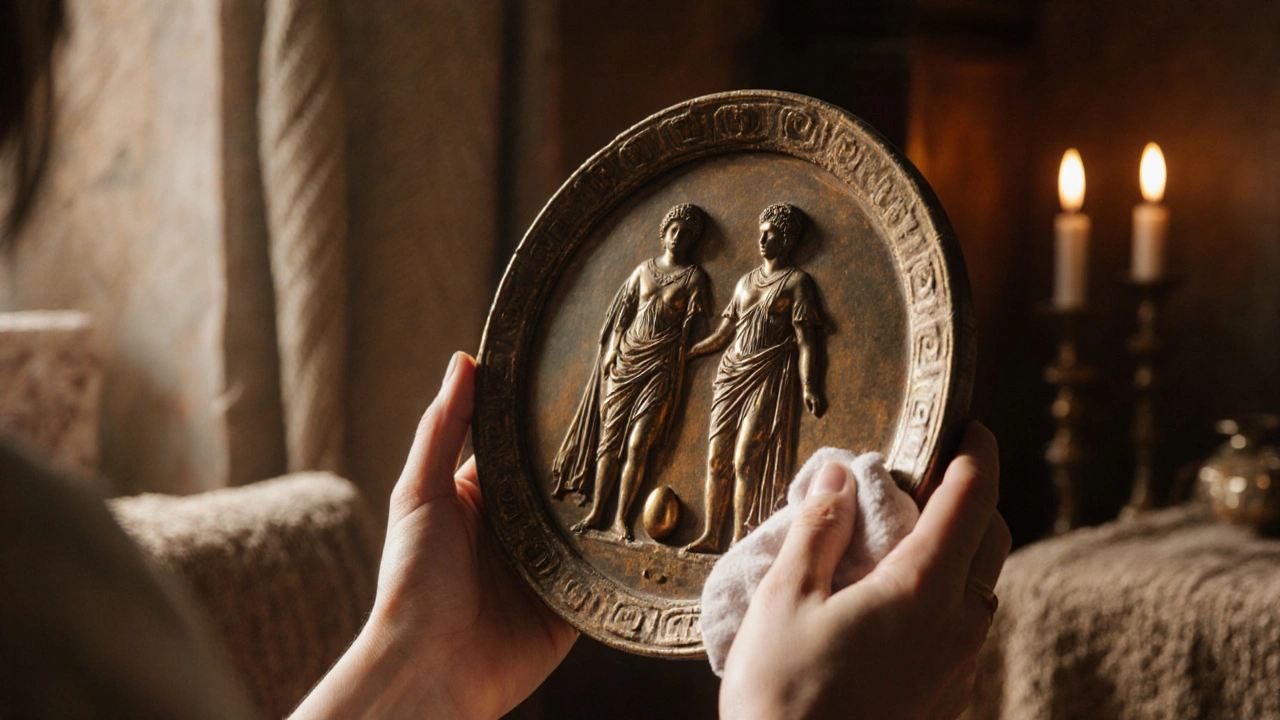
Etruscan Mirrors and Myth: Beauty, Sexuality, and Domestic Power
Oct 24 2025 / History & ArchaeologyEtruscan bronze mirrors reveal how ancient women used beauty, myth, and ritual to claim power in life and death. More than vanity objects, they were spiritual tools linking daily grooming to eternal identity.
VIEW MORE