Children and Gender Norms: How Early Socialization Shapes Identity
When a child is born, the first question isn’t about their health—it’s about their gender, a social system that assigns roles, expectations, and behaviors based on perceived sex. This system doesn’t wait for them to speak. By age two, most kids already know which toys are "for boys" and which are "for girls." This isn’t biology—it’s gender socialization, the process by which society teaches children how to act according to expected gender roles. And it’s happening everywhere: in the color of their clothes, the way adults respond to their cries, even the books they’re read before bed.
These early lessons stick. Boys who cry are told to "be tough," while girls who climb trees are praised for being "pretty"—not strong. These aren’t harmless habits. They’re the foundation of gender roles, culturally defined patterns of behavior expected of men and women that shape careers, relationships, and mental health for decades. The Victorian idea of separate spheres didn’t disappear—it just moved into preschool classrooms. Girls are steered toward nurturing play; boys are pushed toward competition. Even today, studies show parents talk more about emotions with daughters and about space, speed, and strength with sons. These aren’t accidents. They’re traditions passed down like family recipes—with the same harmful side effects.
And it’s not just about what’s said. It’s what’s ignored. Children who don’t fit the mold—those who prefer cross-gender play, who resist labels, or who express gender differently—are often met with silence, confusion, or correction. That’s not just unfair—it’s damaging. The same systems that once punished women for wanting to work now punish boys for wanting to cry. The same myths that erased lesbian history from archives are now whispered in playgrounds: "That’s not for you." But change is growing. More parents are questioning pink vs. blue. More schools are ditching gendered dress codes. And the research is clear: kids who grow up with flexible gender expectations are more creative, more empathetic, and more emotionally resilient.
What follows is a collection of deep-dive articles that trace how these norms were built—from Victorian homes to modern clinics, from ancient myths to today’s parenting blogs. You’ll find how medical myths shaped what we think boys and girls "should" feel, how feminist thinkers dismantled the idea of "natural" gender, and how even the history of masturbation was twisted to control children’s bodies. This isn’t just history. It’s the blueprint of how we raise our next generation—and how we can rewrite it.
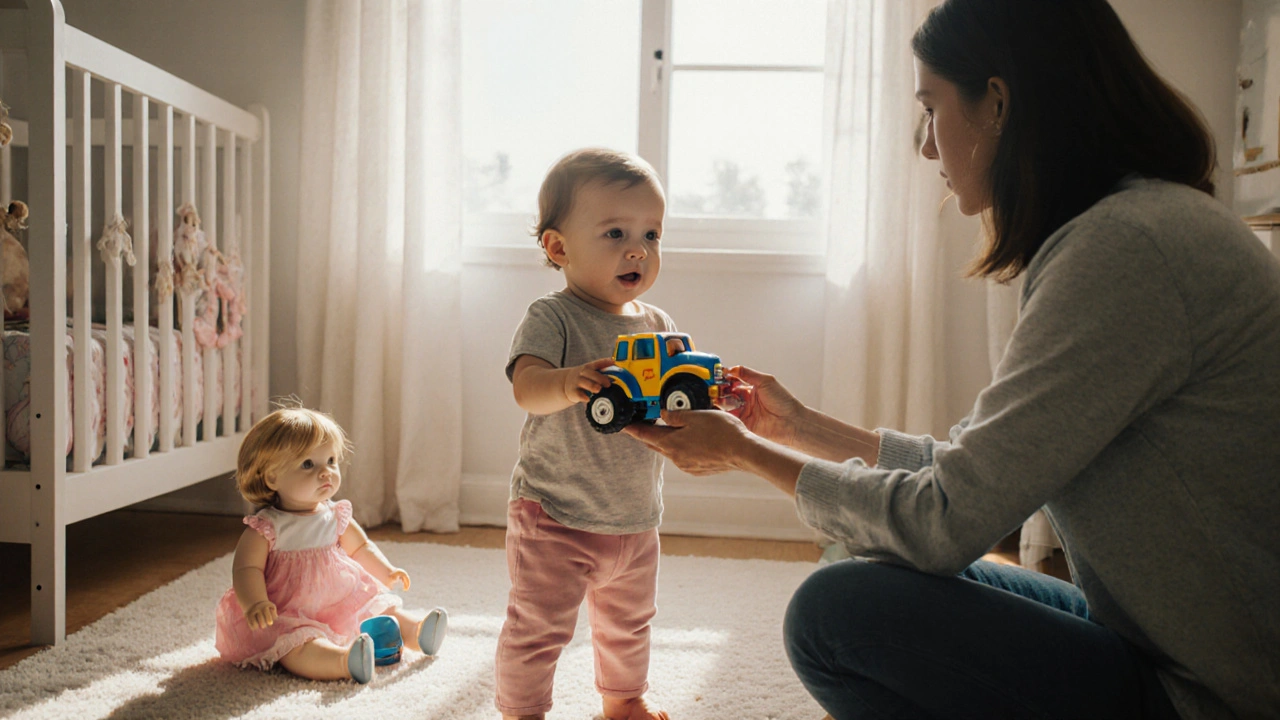
Gender Socialization: How Families Shape Gender Expectations from Day One
Nov 10 2025 / Health & WellnessFamilies shape gender expectations from infancy through everyday choices-what toys kids get, how they’re praised, and what behaviors are rewarded. Learn how these subtle messages impact children’s future and how parents can foster more flexible, healthy gender development.
VIEW MORE