Chinese Sexual Medicine: Ancient Practices, Modern Myths, and What Really Worked
When we talk about Chinese sexual medicine, a system of healing and pleasure practices rooted in Taoist philosophy, herbalism, and energy cultivation that dates back over 2,000 years. Also known as Taoist sexual arts, it’s not just about performance—it’s about balance, longevity, and aligning sexual energy with the body’s natural rhythms. Unlike Western medicine, which often treats sex as a biological function to fix, Chinese sexual medicine sees it as a sacred exchange of vital energy—jing—that can be preserved, refined, and even used to boost health and mental clarity.
This tradition doesn’t just rely on herbs or pills. It includes breathing techniques like qigong, a practice of controlled movement and breath to cultivate life energy, often integrated into sexual rituals to extend pleasure and reduce ejaculation, and specific sexual positions designed to redirect energy upward through the spine instead of releasing it. The goal? To avoid depletion. Men were taught to orgasm without ejaculating. Women were encouraged to multiply orgasms to draw in their partner’s energy. These weren’t just erotic tricks—they were part of a larger system that linked sex to immunity, digestion, and even mental focus.
Herbs played a huge role too. horny goat weed, known in Chinese as Yin Yang Huo, was used for centuries to support libido and blood flow, long before it became a supplement in Western pharmacies. Other staples included ginseng, cordyceps, and deer antler velvet—all chosen not for instant arousal, but for gradual toning of the kidneys, which in traditional Chinese medicine are the root of sexual vitality. These weren’t quick fixes. They were daily practices, like brushing your teeth, but for your energy.
What’s surprising is how much of this still shows up today. Modern research on acupuncture for erectile dysfunction, or studies on ginseng’s effects on testosterone, often echo these ancient ideas. Even the idea that stress kills libido? That’s straight out of the Nei Jing, China’s oldest medical text. The difference? Back then, sex wasn’t a problem to be solved—it was a skill to be mastered. And mastery meant control, not speed.
But here’s the catch: a lot of what’s sold today as "ancient Chinese sexual medicine" is marketing. Real Taoist sexual practices were kept secret, passed down in lineages, and required years of discipline. They weren’t about porn-style endurance. They were about awareness. About listening to your body. About knowing when to hold back—and when to let go.
What you’ll find in the articles below isn’t a list of miracle cures. It’s a collection of real historical insights, misunderstood traditions, and surprising connections between sex, energy, and longevity—some from China, others from cultures that crossed paths with it. You’ll see how these ideas were adapted, twisted, or ignored over time. And you’ll see how modern science is finally catching up to what ancient practitioners already knew: sex isn’t just physical. It’s deeply tied to how we live, breathe, and survive.
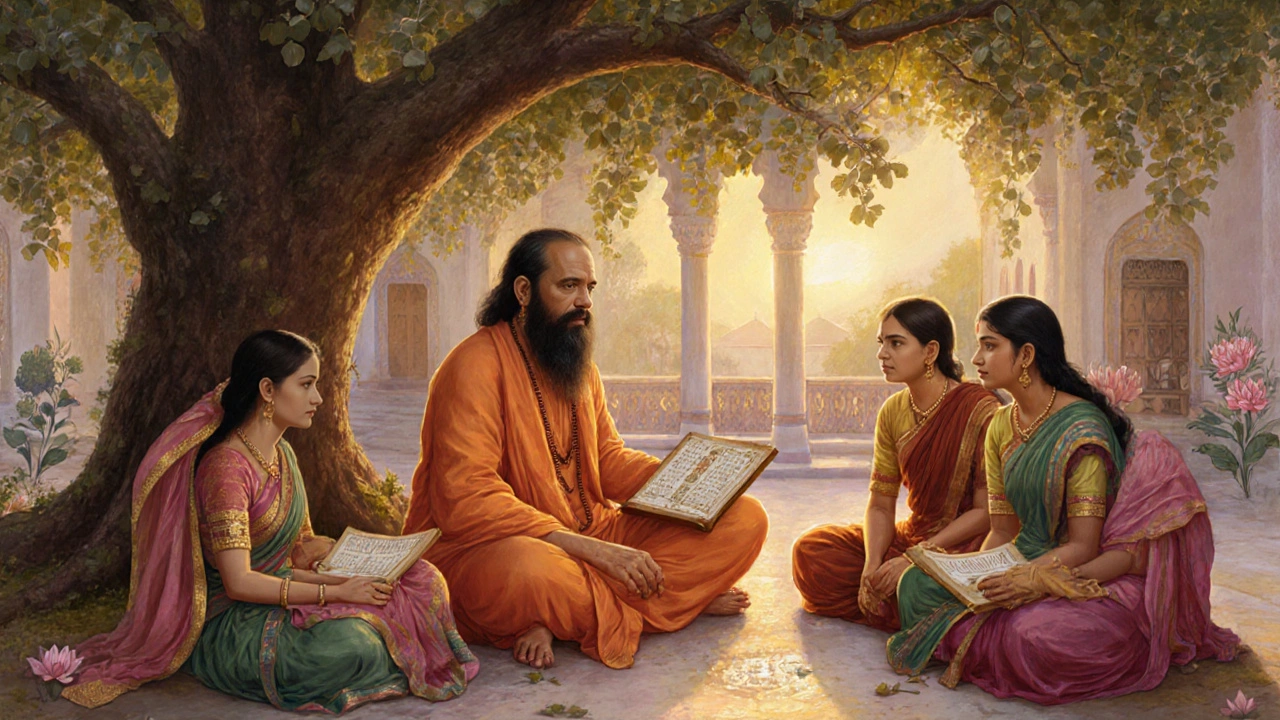
How Asia Systematized Sexual Instruction: The Forgotten Science of Erotic Knowledge
Nov 10 2025 / Global TraditionsAsia developed sophisticated systems for sexual instruction over 2,000 years ago - blending medicine, religion, and philosophy. From the Kama Sutra to Daoist alchemy, these traditions treated sex as a science - not a taboo.
VIEW MORE