Cultural Context Comparison Tool
This tool compares the key aspects of ancient Asian sexual knowledge systems from India, China, and Japan. Select different comparison categories to explore how each culture approached erotic knowledge.
Compare by Aspect
| Aspect | India | China | Japan |
|---|---|---|---|
| Primary Goal | Pleasure as life goal | Longevity and health | Fertility and spiritual purity |
| Transmission Method | Guru-disciple, written texts | Medical training, courtesan networks | Oral, monastic initiation |
| Key Text | Kama Sutra | Essentials of the Jade Chamber | Gushi nintai sanshō himitsu hōshū |
| Core Philosophy | Kama as one of life's four aims | Qi flow, yin-yang balance | Sex as ritual offering |
| Access | Elite scholars, some public | Widespread among literate classes | Restricted to temple initiates |
| Legacy | Global influence, often misunderstood | Suppressed, then revived in integrative medicine | Preserved in ritual practice |
What does this mean for you?
Understanding these different approaches to erotic knowledge shows how diverse cultures have historically viewed sex not as something to hide, but as a meaningful practice with spiritual, medical, and social dimensions. Each system offers insights into how intimacy can connect us to health, longevity, and spiritual purpose.
Modern research shows that the core principles - mindfulness, breath control, and mutual pleasure - have relevance even today. Many integrative medicine clinics now incorporate these ancient concepts into contemporary sexual wellness practices.
For centuries, the idea that sex was something to be whispered about - or worse, suppressed - has dominated Western thinking. But in ancient Asia, sexual knowledge wasn’t taboo. It was a science. A system. A carefully taught discipline passed down through generations, woven into medicine, religion, and daily life. This wasn’t about pornography or titillation. It was about health, longevity, fertility, and spiritual balance - and it was documented with astonishing precision.
The Indian Framework: Sex as a Science of Pleasure
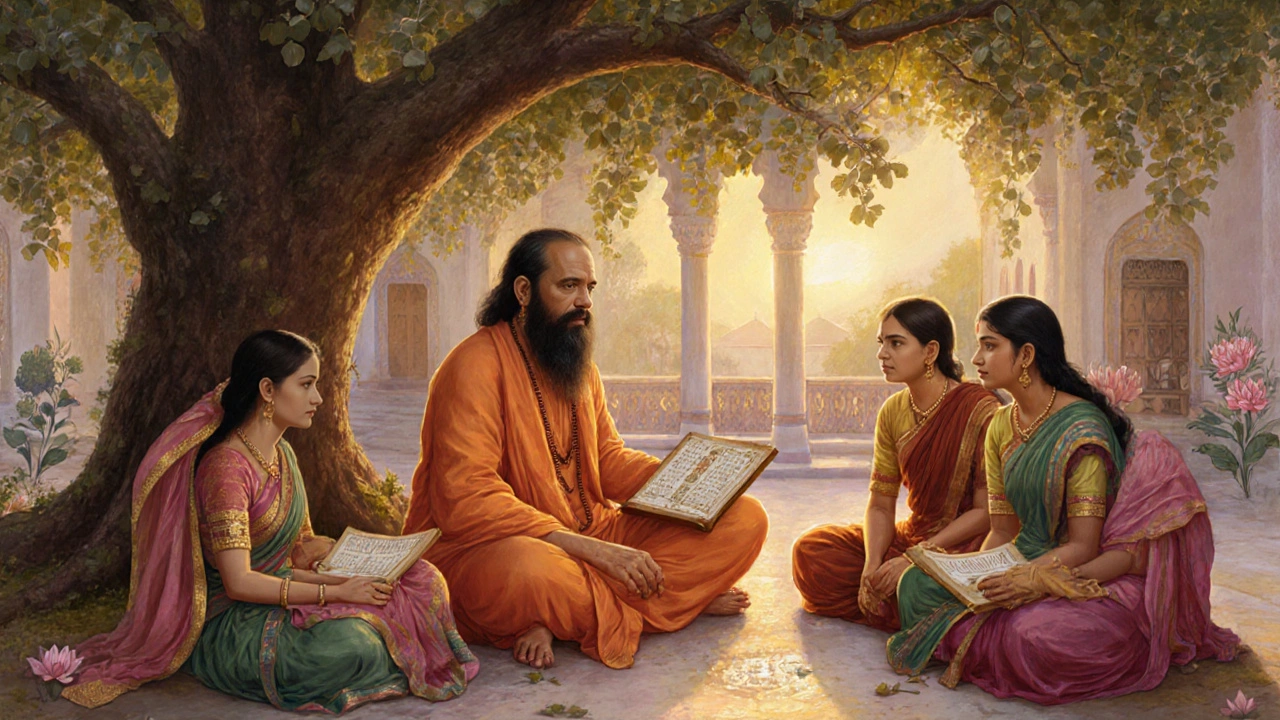
In India, around the 2nd to 3rd century CE, Vatsyayana wrote the Kama Sutra. Not as a manual for exotic positions, but as a comprehensive guide to living well. The text was part of a much larger tradition: the sixty-four arts of love, pleasure, and passion. These weren’t random tricks. They were categorized skills - from dancing and music to conversation, grooming, and intimate technique - all designed to cultivate harmony between partners. The Kama Sutra treated sex as one of the four goals of life: dharma (duty), artha (wealth), kama (pleasure), and moksha (liberation). Pleasure wasn’t a distraction from spirituality - it was a path to it. Rituals like the Asvamedha Yajna, where a queen performed a symbolic act with a dead horse, weren’t about shock value. They were fertility rites meant to ensure the kingdom’s prosperity. Sex was tied to cosmic order. Instruction happened through guru-shishya relationships. A teacher didn’t just explain techniques - they guided students through stages of mastery. Knowledge wasn’t handed out freely. It was earned. And it was expected that both men and women would learn equally. The text even advises husbands to prioritize their wife’s pleasure, calling it a mutual duty.China’s Medical Blueprint: Qi, Fluids, and Longevity
While India focused on pleasure as philosophy, China built a medical model. By the Western Han Dynasty (206 BCE-9 CE), texts like The Classic of the Plain Girl were already describing sexual practices as tools for health. These weren’t fantasies. They were clinical observations. Chinese sexual medicine was deeply rooted in Daoist thought. The goal wasn’t orgasm - it was conservation. Men were taught to avoid ejaculation to preserve their jing, or vital essence. Women were guided to regulate their qi, the life force flowing through the body. Sexual acts were timed with lunar cycles, breathing patterns, and even the seasons. The Essentials of the Jade Chamber, written during the Sui-Tang period, gave detailed instructions on fluid exchange, pressure points, and breath control to extend life and enhance vitality. These weren’t secret only to the elite - they were taught in Chang’an, the capital of the Tang Dynasty, where scholars, officials, and courtesans mingled. Courtesans weren’t just entertainers. Many were trained in sexual techniques and acted as informal educators. Examination candidates, preparing for civil service tests, often learned from them. One 9th-century diary entry describes a young scholar receiving instruction on “the art of retaining essence” from a courtesan who had studied under a Daoist master. Doctors needed literacy in Confucian classics and medical theory to prescribe sexual remedies. They diagnosed imbalances - too much yang, too little yin - and recommended specific positions, durations, and rhythms. Some texts even included case studies: “Patient A, age 42, suffers from fatigue after intercourse. Prescribed: slow, deep breathing with female on top for 15 minutes, no ejaculation.”Japan’s Sacred Circles: Monks, Secrets, and Reproductive Rituals
Japan’s system was the most secretive. Unlike India’s scholarly texts or China’s medical manuals, Japanese erotic knowledge was guarded by Buddhist monks - specifically within the Tendai and Shingon sects. During the 850s, as the Fujiwara clan sought to secure imperial bloodlines, elite women turned to temple networks for help with fertility. The monk Annen, writing around 870 CE, compiled the Gushi nintai sanshō himitsu hōshū - a collection of secret methods on conception, pregnancy, and childbirth. These weren’t just prayers. They were ritualized practices: specific breathing during intercourse, meditations before union, and even dietary regimens to prepare the body. Transmission was oral. No written copies were allowed outside the temple. A disciple had to be initiated, sworn to secrecy, and trained for years. These techniques were used by aristocratic women - not out of curiosity, but necessity. High infant mortality and difficulty conceiving were common. Temple records from the 9th and 10th centuries show repeated requests for “methods to increase conception.” Some cases even noted successful pregnancies after following the prescribed rituals. Unlike China, where sexual knowledge was sometimes commercialized, Japan kept it sacred. It wasn’t sold. It wasn’t published. It was entrusted. And that secrecy preserved it - but also limited its reach.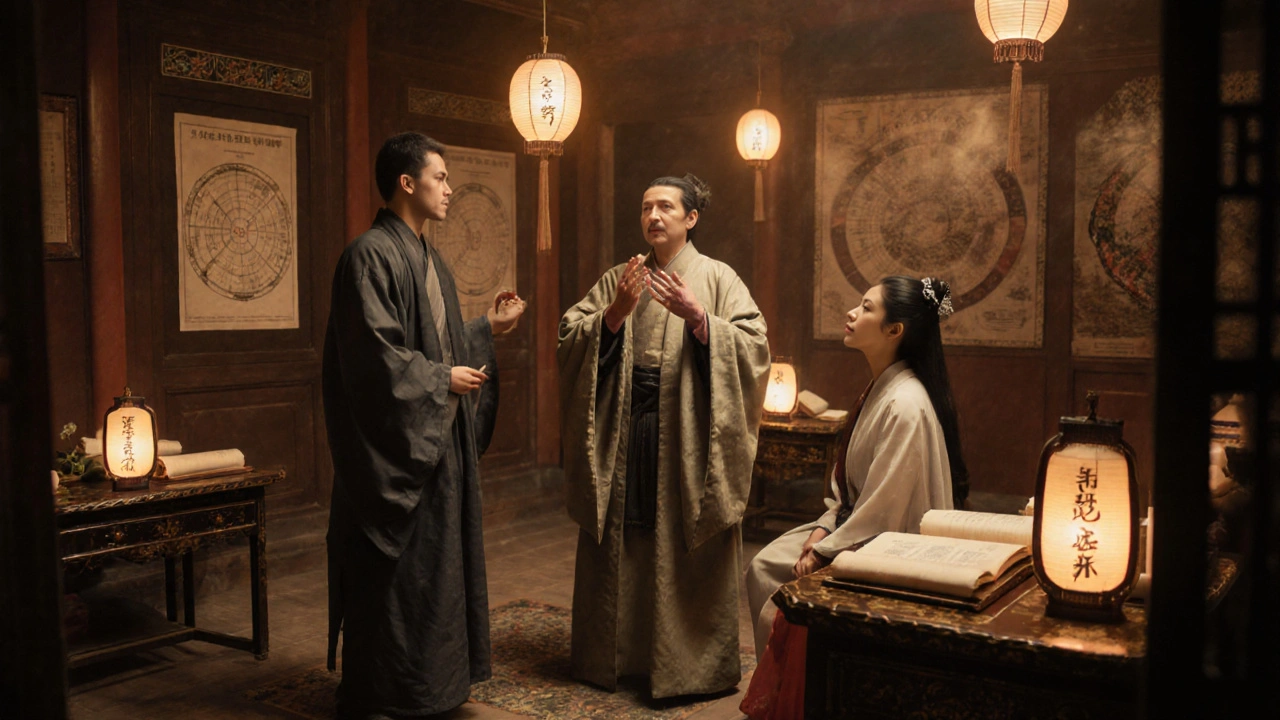
Comparing the Systems: Philosophy, Medicine, and Ritual
Each culture approached erotic knowledge differently - and each had strengths and limits.| Aspect | India | China | Japan |
|---|---|---|---|
| Primary Goal | Pleasure as life goal | Longevity and health | Fertility and spiritual purity |
| Transmission Method | Guru-disciple, written texts | Medical training, courtesan networks | Oral, monastic initiation |
| Key Text | Kama Sutra | Essentials of the Jade Chamber | Gushi nintai sanshō himitsu hōshū |
| Core Philosophy | Kama as one of life’s four aims | Qi flow, yin-yang balance | Sex as ritual offering |
| Access | Elite scholars, some public | Widespread among literate classes | Restricted to temple initiates |
| Legacy | Global influence, often misunderstood | Suppressed, then revived in integrative medicine | Preserved in ritual practice |
India’s system was the most holistic - but it was also the most vulnerable to colonial distortion. When British officials translated the Kama Sutra in 1883, they stripped it of its philosophical context and turned it into a scandalous curiosity. China’s medical approach was the most advanced - but Confucian moral reforms in later dynasties labeled it as decadent. Japan’s secrecy protected it from outside interference - but also kept it hidden from the public.
What Worked - and What Didn’t
These systems were remarkably effective in their intended goals. Fertility rates among elite women in Tang China and Heian Japan improved noticeably after following prescribed techniques. Daoist practices for conserving jing were linked to reports of longer lifespans among practitioners. Indian texts on mutual pleasure helped reduce marital conflict in documented cases. But they had blind spots. Same-sex relationships were rarely addressed systematically, even though literature from all three cultures hints at their existence. Female sexual desire was often framed in terms of reproduction - not personal fulfillment. And in China, the practice of foot binding, which began in the 10th century, directly contradicted the ideals of bodily harmony promoted in sexual manuals. Modern scholars like Dr. Rebecca Samson and Professor Haiyan Lee point out a troubling pattern: Western biomedicine in the 20th century didn’t just replace these traditions - it erased them. Chinese sexologists in the 1920s began quoting Freud and Kinsey, dismissing their own heritage as “superstitious.” The result? A generation lost access to centuries of practical knowledge.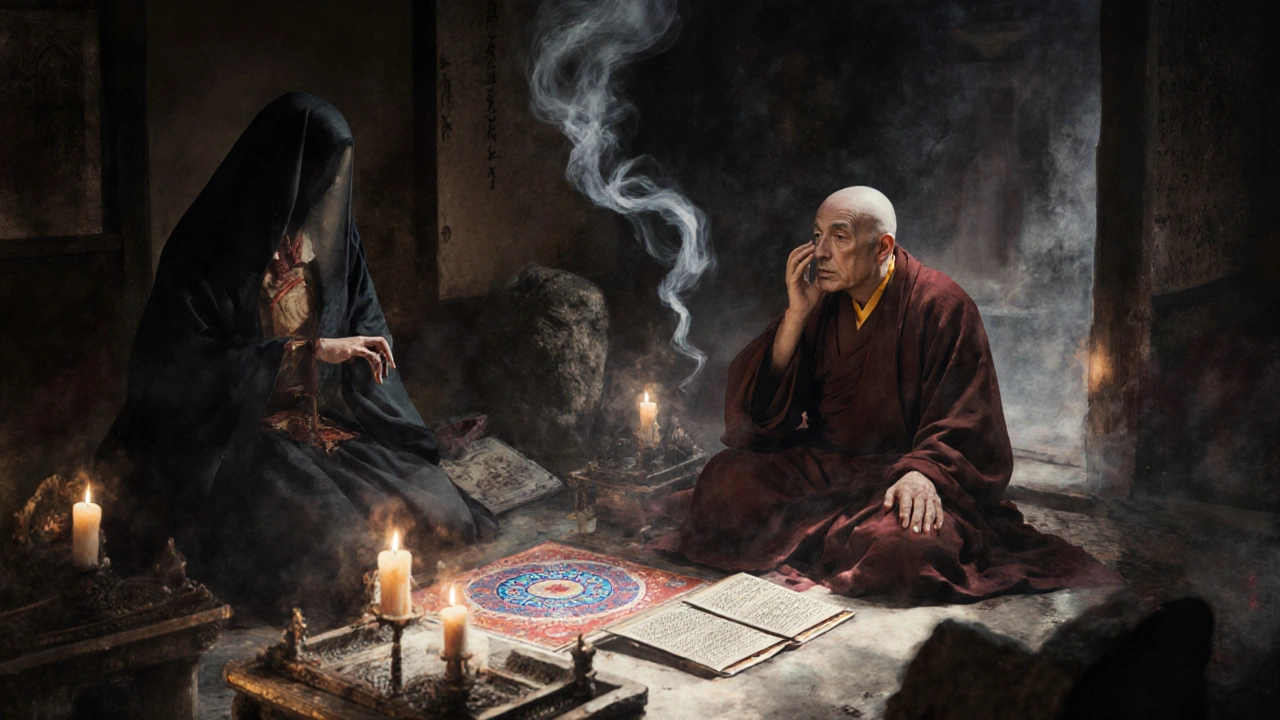
Why This Matters Today
We live in a world where sex education is either clinical or commercial. Schools teach anatomy and consent - but rarely how to connect emotionally, how to sustain desire, or how sex relates to energy, stress, or health. Yet, modern clinics in Taiwan and Singapore are quietly reviving Daoist sexual techniques for infertility treatment. Some report 15-20% higher success rates when combined with conventional methods. Researchers are using AI to reconstruct lost texts like the Shadow of the Double Plum Tree Anthology, a 19th-century collection of 18 erotic manuals. The UNESCO initiative to recognize Asian sexual knowledge as intangible cultural heritage isn’t just about preservation. It’s about reclaiming a truth: that sex, when understood deeply, isn’t something to be hidden - it’s something to be honored, studied, and taught. These aren’t ancient myths. They’re practical systems. And they still hold value - if we’re willing to look past the colonial stigma and see them for what they were: sophisticated, human, and profoundly wise.Was the Kama Sutra really about sex positions?
No. The Kama Sutra is only one part of a much larger tradition called the sixty-four arts, which included everything from poetry and dance to etiquette and conversation. The sexual techniques described make up about 20% of the text. Most of it focuses on how to live a balanced, pleasurable life - including how to choose a partner, maintain a relationship, and cultivate emotional connection. The positions were never the point - they were just one tool among many.
Did ancient Chinese really believe sex could make you live longer?
Yes - and they had a detailed theory behind it. Daoist practitioners believed men stored vital energy called jing, and that ejaculation wasted it. By learning to have sex without ejaculating, they thought they could preserve this energy and extend life. Women were taught to absorb this energy through specific breathing and positioning. While modern science doesn’t support the idea of “energy transfer,” studies on stress reduction and intimacy do show that mindful sexual practice can lower cortisol, improve sleep, and boost immune function - which may explain why some practitioners lived longer.
Why was Japanese sexual knowledge so secretive?
Because it was tied to religious ritual, not personal pleasure. In Tendai and Shingon Buddhism, sexual practices were seen as sacred acts - ways to channel spiritual energy and ensure fertility as a divine blessing. Teaching them publicly would have been considered sacrilegious. Only initiates who had undergone years of training and taken vows of secrecy were allowed to learn. This kept the knowledge pure - but also limited it to a tiny elite.
Are any of these practices still used today?
Yes - quietly. In integrative medicine clinics in Taiwan, Japan, and Singapore, Daoist breathing techniques and Chinese sexual health protocols are being used alongside fertility treatments. Some therapists in Europe and North America now teach “mindful intercourse” based on ancient Indian principles. Even yoga and tantra workshops today draw from these traditions - though often stripped of their original context. The core ideas - connection, rhythm, breath, and mutual pleasure - are timeless.
Why aren’t these systems taught in schools today?
Because colonial powers labeled them as “pornographic” or “superstitious.” British officials in India and Western missionaries in China destroyed or banned texts. Modern sex education adopted a purely biomedical model - focusing on disease prevention and anatomy - while ignoring emotional, spiritual, and energetic dimensions. The result? We teach teens how to avoid pregnancy, but not how to build intimacy. We’ve lost a rich, practical tradition - not because it didn’t work, but because we stopped listening.