Tag: Christian sexuality
The Missionary Position: Christian Doctrine and Approved Sex
Aug 16 2026 / History & CultureChristian sexual ethics.
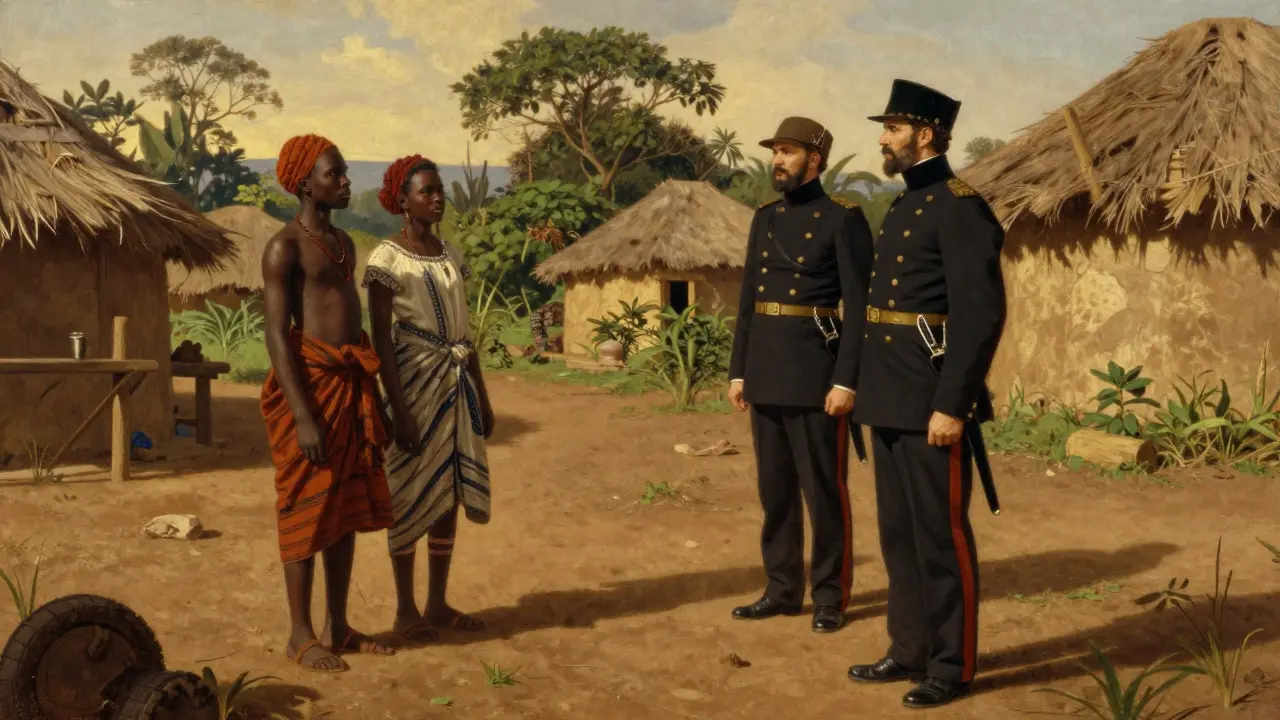
Imagine a couple in 1850s London versus a couple in 1850s Lagos. The London couple might feel guilty using pillows to change angles, fearing they were introducing vanity into the sacrament. The Lagos couple might use positions that facilitated community bonding or specific fertility prayers, only to be told by visiting priests that these were distractions from the core duty. Over time, the global spread of Protestant and Catholic missions meant that the "European" way of doing things became the universal standard for what constituted "proper" sex. This wasn't just about religion; it was about cultural hegemony dressed in holy robes.
Modern Shifts: From Duty to Intimacy
So, does the Church still enforce this? Not strictly, but the legacy remains. The Second Vatican Council in the 1960s marked a turning point, emphasizing the mutual self-giving aspect of marriage rather than just procreation. Pope Paul VI’s encyclical Humanae Vitae (1968) reaffirmed the importance of openness to life but did not ban other positions outright. Instead, it focused on the *intent* behind the act. If the couple is open to children, the position matters less than the mindset.
Today, most mainstream Christian denominations take a more relaxed view. The focus has shifted from mechanical correctness to relational health. However, conservative circles still whisper about "unnatural" acts, and some couples find themselves policing their own intimacy based on outdated fears. The tension between personal pleasure and doctrinal compliance is a real issue for many believers. It creates a silent anxiety in the bedroom, where the joy of connection is overshadowed by the weight of historical judgment.
Navigating Modern Faith and Intimacy
If you are a Christian trying to reconcile your faith with a healthy sex life, here are some practical perspectives to consider:
- Intent Matters Most: Ask yourself if your heart is open to life. If so, the position is secondary. Theological debates often hinge on the end goal, not the means.
- Communication is Key: Talk to your partner about what feels right. Silence breeds shame, and shame is the opposite of the love Christianity preaches.
- Contextualize History: Remember that many rules were created by men in specific historical contexts. They aren't eternal laws of physics.
- Seek Pastoral Guidance: If guilt persists, speak with a pastor who understands both scripture and human psychology. A good shepherd knows the difference between sin and stress.
Comparing Historical and Modern Views
| Aspect | Pre-1900 View | Post-Vatican II View |
|---|---|---|
| Primary Goal | Procreation | Union + Procreation |
| Position Importance | Critical (Missionary preferred) | Secondary (Intent focused) |
| Role of Pleasure | Suspect/Vanity | Good Gift from God |
| Source of Authority | Canon Law/Scholastic Theology | Biblical Narrative/Pastoral Care |
Frequently Asked Questions
Is the missionary position the only "biblical" sex position?
No. The Bible never specifies a sexual position. The association comes from later theological interpretations and colonial labeling. Any position that is consensual and open to life is generally accepted in modern Christian thought.
Why was the missionary position historically favored by the Church?
It was favored because it was physically aligned with procreation. The horizontal, face-to-face setup was seen as the most efficient for conception and the least likely to involve "vanity" or distraction from the reproductive goal.
Does modern Catholic teaching still restrict sexual positions?
Not explicitly. The focus is on the openness to life. As long as the couple is not deliberately blocking conception (like using contraception), the specific physical arrangement is left to the discretion of the spouses.
How did colonialism influence Christian views on sex?
Colonial missionaries imposed European sexual norms on indigenous populations. Positions common in other cultures were often labeled immoral, while the missionary position became the symbol of "civilized
VIEW MORE