History & Culture: The Hidden Stories Behind Sex, Power, and Desire
When we talk about History & Culture, the evolving ways societies have understood, controlled, and celebrated human sexuality. Also known as sexual history, it’s not just about what people did in bed—it’s about who had power, who was silenced, and how shame, religion, and science turned pleasure into a moral battleground.
Take gender roles, the unspoken rules that told men to be providers and women to be caretakers. This system wasn’t natural—it was built. Victorian doctors called women’s desire "hysteria," medieval families treated marriage like a business deal, and Roman art showed power, not passion, as the driving force behind sex. These aren’t old stories—they’re the roots of today’s debates over consent, male mental health, and female pleasure. Even the vibrator started as a medical tool to cure "female nervous disorders," not to give women orgasms. That shift—from therapy to pleasure—wasn’t accidental. It was fought for.
And then there’s prostitution history, how societies have both punished and profited from sex work across centuries. From temple priestesses in ancient Mesopotamia to digital escorts today, the trade has always existed—but the laws, the stigma, and the voices of those doing the work have changed dramatically. Meanwhile, consent wasn’t always a legal term. In Hittite law, mutual agreement mattered. In others, a woman’s silence meant permission. The idea that "no means no" is modern—and still not universal. This collection doesn’t just list facts. It shows how sex is never just about sex. It’s tied to money, religion, war, medicine, and who gets to speak.
Here, you’ll find the banned poems that mocked male impotence, the phallic charms Romans wore to protect their babies, and how AIDS reshaped an entire generation’s view of intimacy. You’ll see how Cleopatra’s lipstick wasn’t just makeup—it was a political statement. How a 1968 essay shattered the myth of the vaginal orgasm. How steam-powered machines became the first sex toys. These aren’t footnotes. They’re the real history behind the silence, the shame, and the slow, hard-won shifts toward honesty.
What you’re about to read isn’t a textbook. It’s the unfiltered story of how we got here—and who paid the price for the rules we still live by.

Women as Seed Gatherers and Farmers: Gender and Agricultural Discovery
Jun 2 2026 / History & CultureExplore how women, as original seed gatherers, shaped agricultural discovery and domestication. From ancient foraging societies to modern sustainable farming, discover the enduring impact of female expertise on global food security and climate resilience.
VIEW MORE
Backlash and Moral Majority: Countermovements of the 1970s and 1980s
May 29 2026 / History & CultureExplore the rise of the Moral Majority and the conservative backlash against the sexual revolution in the 1970s and 1980s. Learn how Jerry Falwell mobilized evangelicals to shape modern American politics.
VIEW MORE
The Breadwinner-Homemaker Model: How the 20th-Century Gender Arrangement Shaped Modern Life
May 28 2026 / History & CultureExplore the history of the breadwinner-homemaker model, a 20th-century gender arrangement shaped by industrialization and policy. Learn how tax laws and social security created this family structure and why it has shifted.
VIEW MORE
Valerie Solanas and the SCUM Manifesto: Radical Theory, Shock, and Legacy
May 20 2026 / History & CultureExplore the life of Valerie Solanas and her controversial SCUM Manifesto. This guide analyzes the radical feminist text, the shooting of Andy Warhol, and the ongoing debate over satire versus literal threat.
VIEW MORE
Constantine’s Conversion: How Christianity, Power, and Sexual Control Reshaped the Roman Empire
May 18 2026 / History & CultureExplore how Constantine the Great's conversion to Christianity reshaped Roman law, merging imperial power with Christian sexual morality. Discover the legal changes regarding rape, celibacy, and marriage that defined the Constantinian shift.
VIEW MORE
The Declaration of Independence: Consent as Political Principle
May 15 2026 / History & CultureExplore how the Declaration of Independence established 'consent of the governed' as the foundation of political legitimacy, tracing its roots from John Locke to modern human rights.
VIEW MORE
Solon’s Brothels in Athens: Taxation, Regulation, and Public Morality
May 14 2026 / History & CultureExplore how Solon legalized and taxed prostitution in ancient Athens. Learn about the one-obol price, the pornikotelos tax, and how brothels funded temples like Aphrodite Pandemos.
VIEW MORE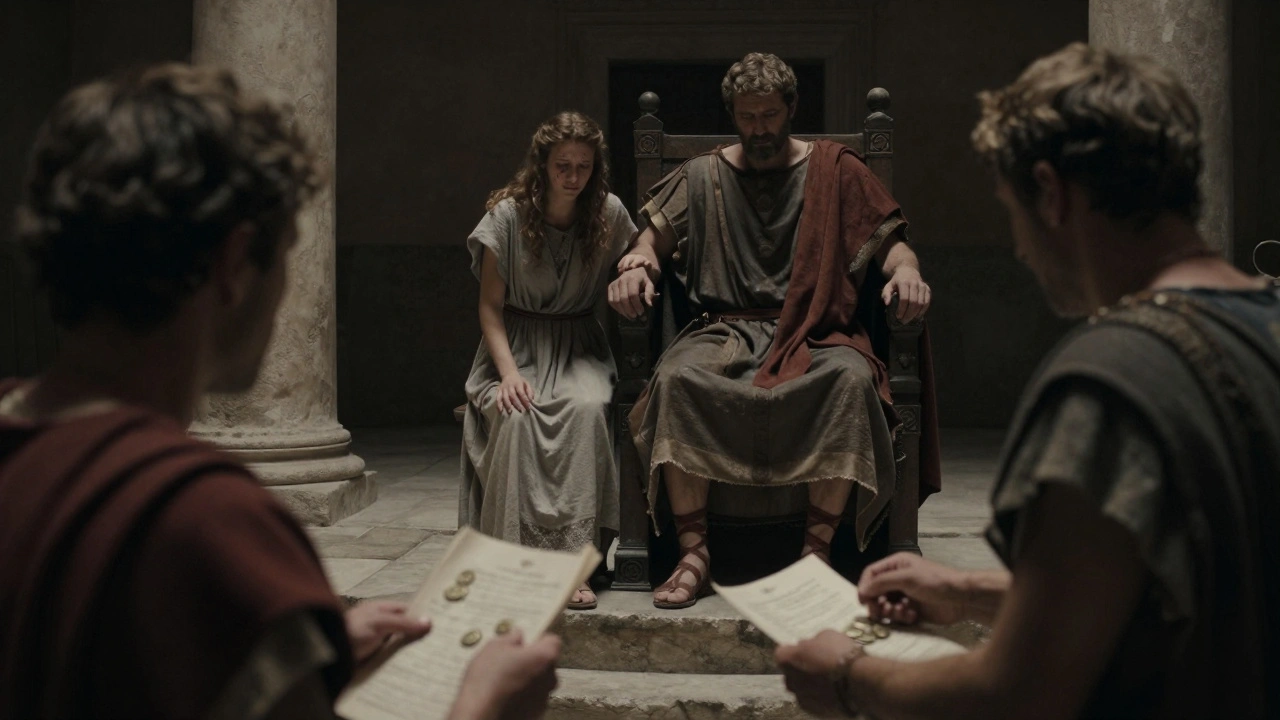
Constantine’s Reforms: From Private Wrong to Public Offense in Rape Law
May 10 2026 / History & CultureExplore how Emperor Constantine transformed Roman rape law from a private family dispute to a public crime, reshaping women's rights and legal history.
VIEW MORE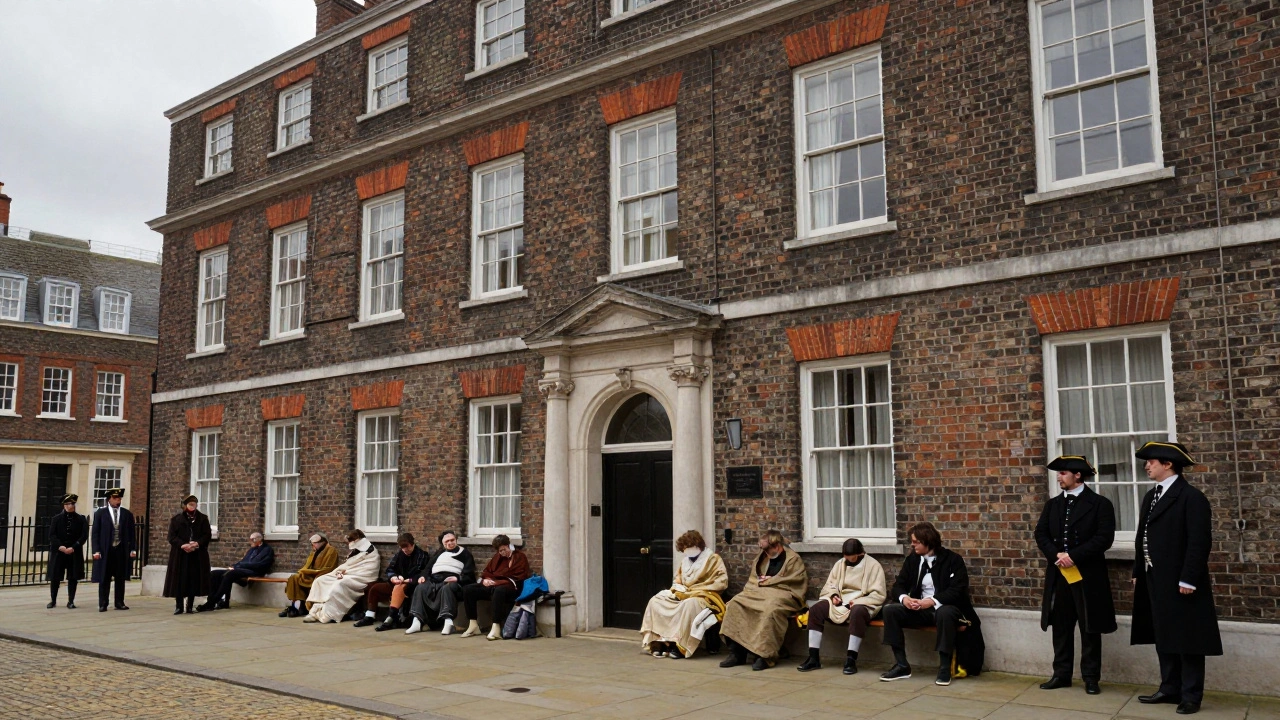
London Lock Hospital (1746): How Institutions Responded to Venereal Disease
May 7 2026 / History & CultureExplore the history of the London Lock Hospital, founded in 1746 as the first voluntary hospital for venereal disease. Discover how it blended medical treatment with moral reform, evolved into a reproductive health center, and eventually closed due to the rise of antibiotics.
VIEW MORE
Dionysian Festivals: Religion, Ritual, and Sexual Liberation in Ancient Greece
May 6 2026 / History & CultureExplore how Dionysian festivals in ancient Greece blended religion, ritual, and sexual liberation. Discover how maenads defied social norms through ecstatic worship, offering women unprecedented autonomy and spiritual power.
VIEW MORE
Castration Fantasies and Male Anxiety: A Victorian Lens on Pornography
May 5 2026 / History & CultureExplore the hidden link between Victorian-era castration fantasies, male anxiety, and the roots of modern psychological theories on gender and power.
VIEW MORE
Greek Olisboi: The History of Dildos in Classical Literature and Society
May 1 2026 / History & CultureExplore the history of Greek olisboi, or dildos, in classical literature and society. Learn how these devices were crafted, used medically, and depicted in art like Aristophanes' Lysistrata.
VIEW MORE