Civil Disobedience and the Fight for Sexual Freedom
When people refuse to obey unjust laws—not with violence, but with quiet, persistent resistance—that’s civil disobedience, a deliberate, nonviolent act of protest against laws or policies seen as morally wrong. It’s not just about politics. It’s been the engine behind every major shift in how we understand sex, gender, and bodily autonomy. From women demanding the right to control their own bodies to LGBTQ+ folks fighting to exist openly in public spaces, civil disobedience didn’t just change laws—it changed hearts.
Think about the Stonewall Uprising, a series of spontaneous demonstrations by queer people against police raids on gay bars in 1969. LGBTQ+ resistance wasn’t just about getting served at a bar. It was about refusing to be invisible. That night, people fought back because they were tired of being criminalized for who they loved. And it worked. That act of civil disobedience sparked a movement that led to decriminalization, marriage equality, and legal protections that didn’t exist before. The same energy powered the fight for abortion rights. When women marched, sat in, and openly talked about illegal abortions, they weren’t just asking for change—they were demanding to be seen as full human beings. Reproductive justice, the right to have children, not have children, and parent children in safe environments didn’t come from courtrooms alone. It came from women handing out pamphlets in parking lots, organizing underground networks, and refusing to stay silent even when the law said they should.
Civil disobedience doesn’t always look like protests. Sometimes it’s a woman masturbating in a doctor’s office and refusing to apologize for it. Sometimes it’s a bisexual person correcting someone who says, "You’re just confused." Sometimes it’s a trans person walking into a bathroom and refusing to leave. These aren’t just personal acts—they’re political. They challenge the idea that sexuality should be controlled, hidden, or pathologized. The articles below show how these quiet rebellions built a new world: from Victorian doctors labeling pleasure as disease, to modern activists using the law as a tool for liberation. You’ll find stories of erased histories, medical lies, and the real people who stood up—and kept standing—until the world had to listen.
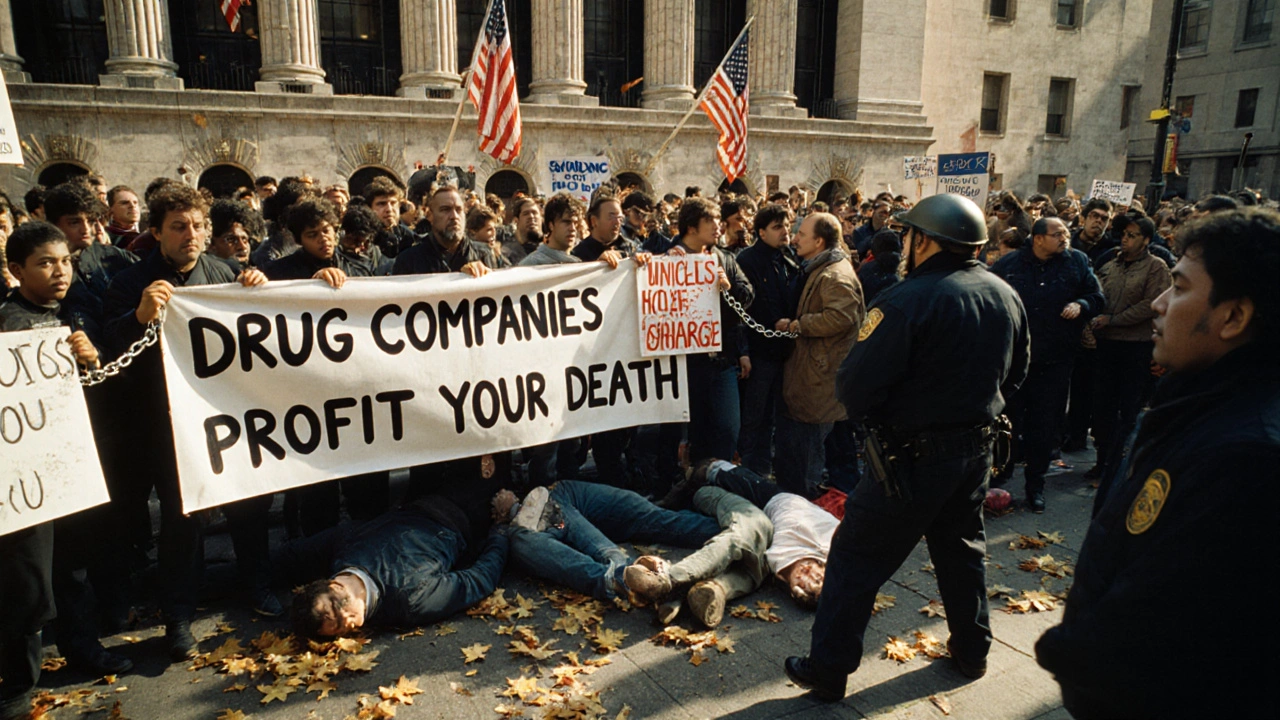
Civil Disobedience and AIDS: How Activists Forced Change in the Streets
Oct 31 2025 / Social PolicyACT UP used civil disobedience to force government and pharmaceutical companies to act during the AIDS crisis. Their protests lowered drug prices, changed medical research, and saved millions of lives.
VIEW MORE