Contraceptive Access: History, Barriers, and How It Shapes Sexual Freedom
When we talk about contraceptive access, the ability to obtain and use birth control methods without legal, financial, or social barriers. Also known as birth control access, it's one of the most direct ways people control their bodies, futures, and relationships. This isn’t just a medical issue—it’s a power issue. For over a century, who could get contraception, who couldn’t, and why, has been shaped by laws, religion, gender norms, and money. The fight for reproductive rights, the legal and social freedom to make decisions about pregnancy, contraception, and abortion didn’t start with Roe v. Wade—it started with women secretly buying condoms, hiding diaphragms, and risking jail to get pills. Today, even in places where contraception is legal, access is uneven. Rural clinics close. Insurance won’t cover IUDs. Pharmacists refuse to fill prescriptions. And for LGBTQ+ people, many providers still don’t know how to offer birth control that fits their needs.
That’s why the history of abortion rights, the legal right to end a pregnancy, often tied to contraceptive access because both involve bodily autonomy matters so much. When contraception is restricted, abortion rates go up—not because people want abortions, but because they’re left with fewer choices. The sexual autonomy, the right to make informed, voluntary decisions about one’s own sexual activity and reproduction movement didn’t just want people to have sex—it wanted them to have sex on their own terms. That means no coercion, no shame, and no barriers to preventing pregnancy. But for decades, laws punished women for using birth control. Men were rarely held accountable. And today, in some states, even basic contraception is under threat again. The same groups that fought to ban abortion are now pushing to limit emergency contraception, restrict access to condoms in schools, and defund family planning clinics.
What you’ll find in the posts below isn’t just a list of articles—it’s a map of how we got here. From Victorian doctors calling masturbation a disease to modern IVF clinics controlling fertility timing, these stories show how control over reproduction has always been political. You’ll read about how feminism changed the way we understand female pleasure, how police raided gay bars for being too open about sex, and how ancient cultures used sex in rituals while modern ones criminalize it. This isn’t about history for history’s sake. It’s about understanding the systems that still decide who gets to be safe, who gets to be free, and who gets left behind.
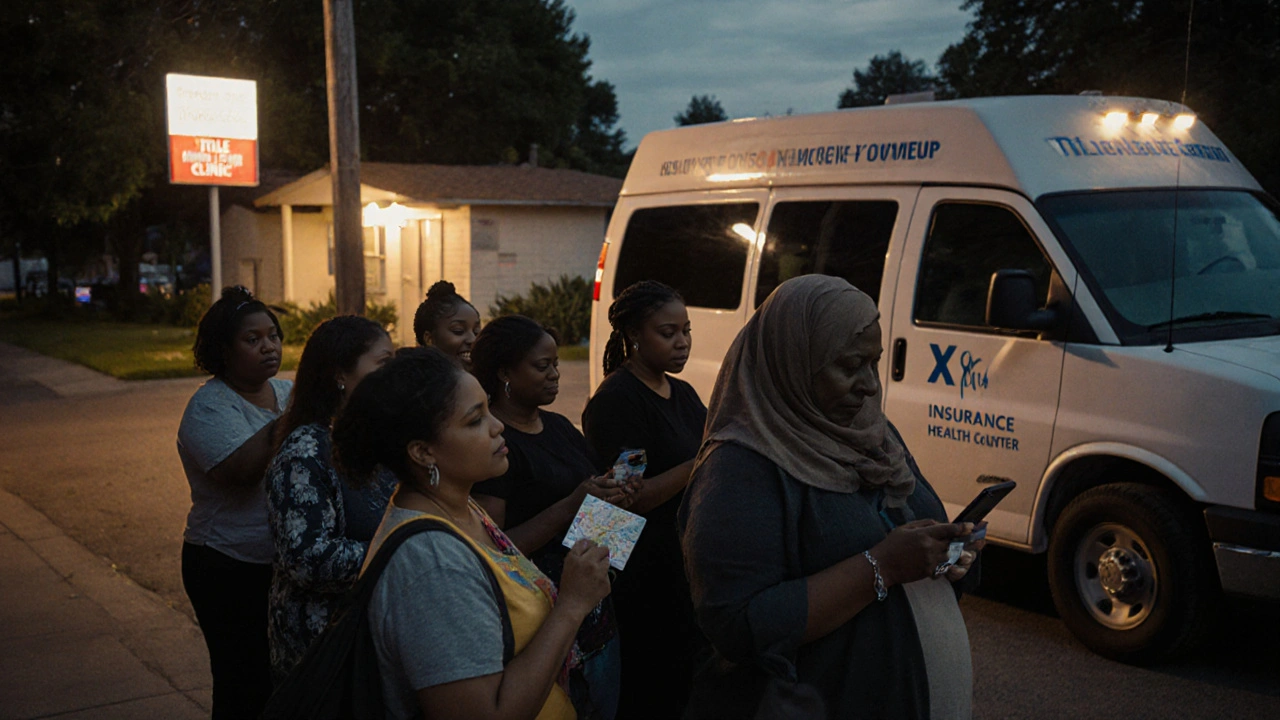
Access and Equity in Contraceptive Care: Insurance, Clinics, and Policy
Oct 24 2025 / Health & WellnessDespite legal protections, millions of U.S. women still face barriers to contraceptive care due to insurance gaps, clinic closures, and racial inequities. This article breaks down the real-world impact of policy, geography, and systemic bias on access to birth control.
VIEW MORE