Contraceptive Deserts: Where Access to Birth Control Fails Women
When you think of birth control, you might picture a pharmacy shelf or a doctor’s office. But for millions of women in the U.S., that’s not a reality—it’s a fantasy. Contraceptive deserts, areas where people live more than 20 miles from the nearest clinic offering a full range of birth control options. Also known as birth control deserts, these are places where women have to drive hours, pay out of pocket, or go without because no provider will see them. This isn’t about choice—it’s about geography, money, and politics colliding. And it’s getting worse.
These deserts aren’t random. They cluster in rural counties, low-income neighborhoods, and states that have cut funding for family planning. In places like Mississippi or West Virginia, you might find a single clinic serving an entire county of 50,000 people. Meanwhile, in Texas, laws forced over 80 clinics to close after 2013, turning half the state into a contraceptive desert. And when clinics vanish, so does access to IUDs, implants, and emergency contraception—not just abortion pills. The reproductive health, the full spectrum of care including contraception, prenatal services, and STI testing. Also known as sexual and reproductive healthcare, it doesn’t stop at abortion. When clinics shut down, women lose everything. The abortion rights, legal protections that once guaranteed access to safe abortion care. Also known as reproductive rights, it fight didn’t end with Roe v. Wade being overturned—it just moved to the back rooms of clinics that still offer birth control.
What’s worse? Many women don’t even know they’re in a desert. They think the problem is them—too busy, too embarrassed, too scared to ask. But the truth is, they’re being failed by systems designed to ignore them. The same states that ban abortion often slash Title X funding, which used to pay for low-cost birth control for millions. Pharmacies in these areas don’t stock Plan B. Doctors won’t prescribe IUDs without a long wait. And in some places, you can’t even get condoms without asking a pharmacist who might judge you.
What you’ll find in the articles below isn’t just history—it’s the living, breathing impact of these gaps. From how Victorian doctors pathologized female desire to how modern clinics are being shut down one by one, these stories show how control over bodies has always been political. You’ll read about how the family planning, the organized effort to provide contraception and reproductive education. Also known as contraceptive access, it movement was co-opted by eugenics, how feminist activists fought for clinics in the 70s, and how today’s laws are undoing decades of progress. This isn’t abstract. It’s about a woman in Alabama driving three hours to get a pill because her local pharmacy won’t carry it. It’s about a teenager in Kansas who can’t afford an IUD because her insurance won’t cover it. And it’s about the quiet, daily violence of being told your body doesn’t matter.
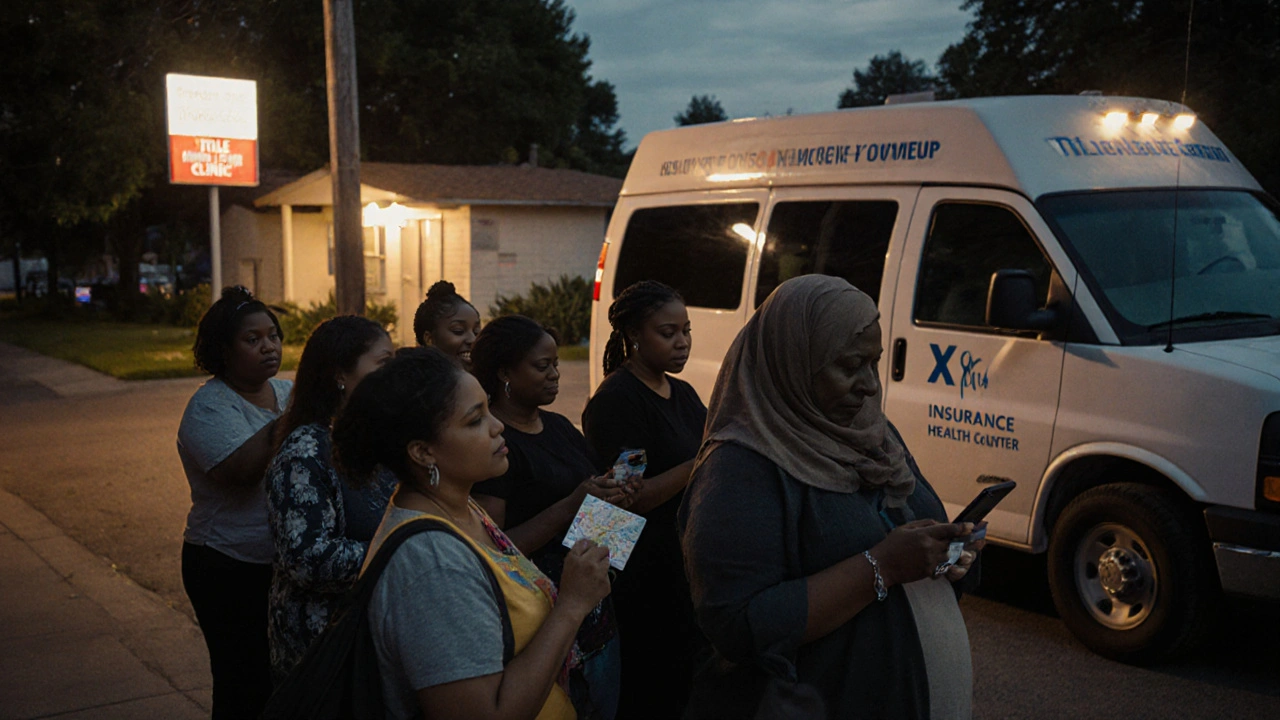
Access and Equity in Contraceptive Care: Insurance, Clinics, and Policy
Oct 24 2025 / Health & WellnessDespite legal protections, millions of U.S. women still face barriers to contraceptive care due to insurance gaps, clinic closures, and racial inequities. This article breaks down the real-world impact of policy, geography, and systemic bias on access to birth control.
VIEW MORE