Digital Feminism: How Technology Is Reshaping Gender, Power, and Sexual Autonomy
When we talk about digital feminism, the movement that uses technology to challenge gender inequality and reclaim sexual agency. Also known as fourth-wave feminism, it’s not just about hashtags—it’s about rewriting the rules of who gets to speak, who gets seen, and who controls their own body in the digital age. This isn’t abstract theory. It’s what happens when a woman posts her story about being shamed for masturbating online and gets 50,000 replies saying "me too." It’s when a trans activist uses TikTok to explain why medical gaslighting isn’t just bad practice—it’s violence. And it’s how queer historians dig through old archives to prove lesbian relationships existed, even when the records tried to erase them.
sexual autonomy, the right to make free, informed choices about one’s body and pleasure without shame or coercion is at the heart of this shift. For generations, women’s sexuality was controlled by doctors who called masturbation a disease, by religions that labeled desire sinful, and by laws that treated marriage as property transfer. Now, people are using blogs, podcasts, and encrypted apps to share what those institutions tried to bury: that pleasure isn’t a privilege—it’s a right. The online activism, organized efforts using digital platforms to demand social or political change around issues like abortion rights, consent education, and the history of vibrators as medical tools isn’t noise—it’s resistance. Every post debunking the "vaginal orgasm myth," every thread exposing how Victorian doctors pathologized female desire, every archive of Etruscan tomb art showing women enjoying sex as sacred—it all stitches together a new narrative. One where women aren’t objects in someone else’s story, but authors of their own.
You’ll find that same energy in the articles below. From how Anne Koedt’s 1968 essay on the clitoris sparked a revolution in sex education, to how modern AI porn raises new ethical questions about consent and identity, this collection doesn’t just document history—it shows how power moves. You’ll see how digital tools help survivors speak when courts stay silent, how social media gives voice to erased identities like bisexuality, and how even ancient myths about gender duality still echo in today’s algorithms. This isn’t about nostalgia. It’s about what happens when people stop waiting for permission and start building their own truth—one post, one tweet, one shared story at a time.
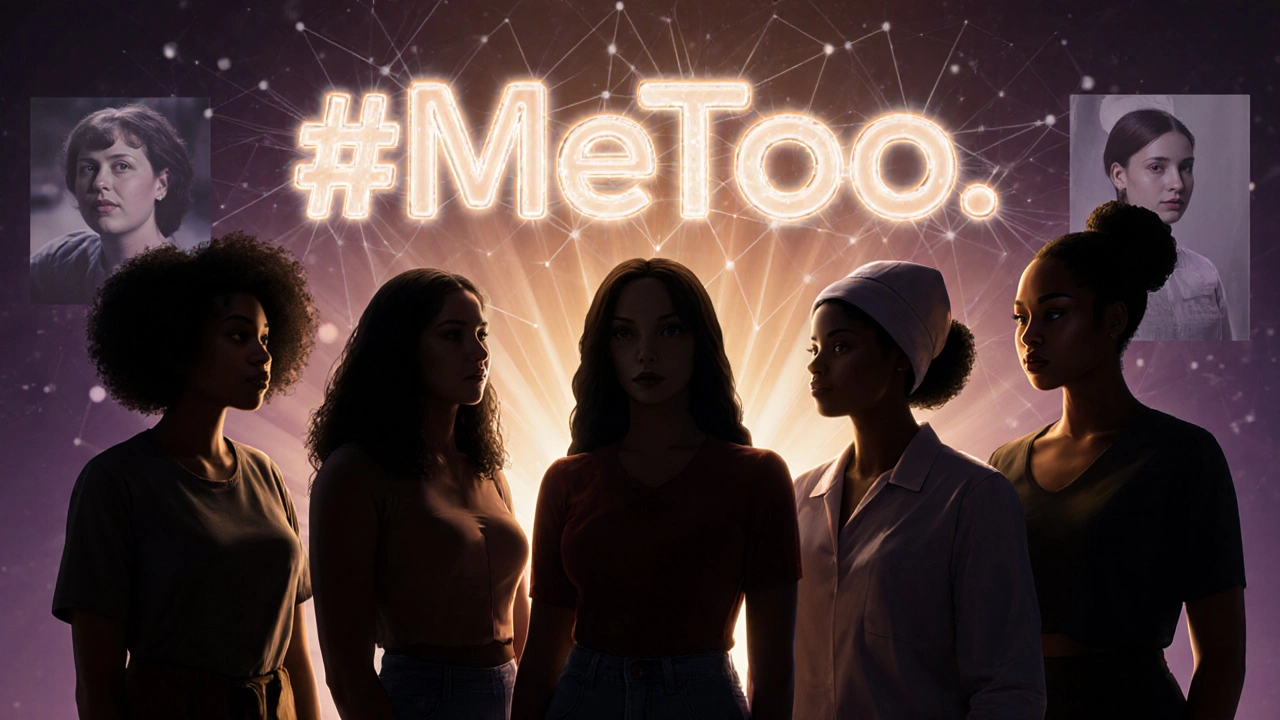
Digital Feminism and #MeToo: How Online Activism Changed the Conversation on Sexual Power
Nov 9 2025 / Social PolicyThe #MeToo movement, born from Tarana Burke’s grassroots work, became a global digital feminist force that exposed sexual violence and forced institutions to change. Survivors used social media to break silence - and the world finally listened.
VIEW MORE