MeToo Movement Knowledge Quiz
How well do you know the #MeToo movement?
Test your knowledge about the origins, impact, and global reach of the #MeToo movement with this 5-question quiz. Select the best answer for each question.
1. Who originally started the 'me too' movement?
2. How many times was the #MeToo hashtag used in the first 24 hours after Alyssa Milano's tweet?
3. What was the name of the #MeToo movement in China?
4. What percentage of women who shared #MeToo stories reported increased online harassment according to a 2018 survey?
5. What percentage of Fortune 500 companies updated their sexual harassment policies by 2019?
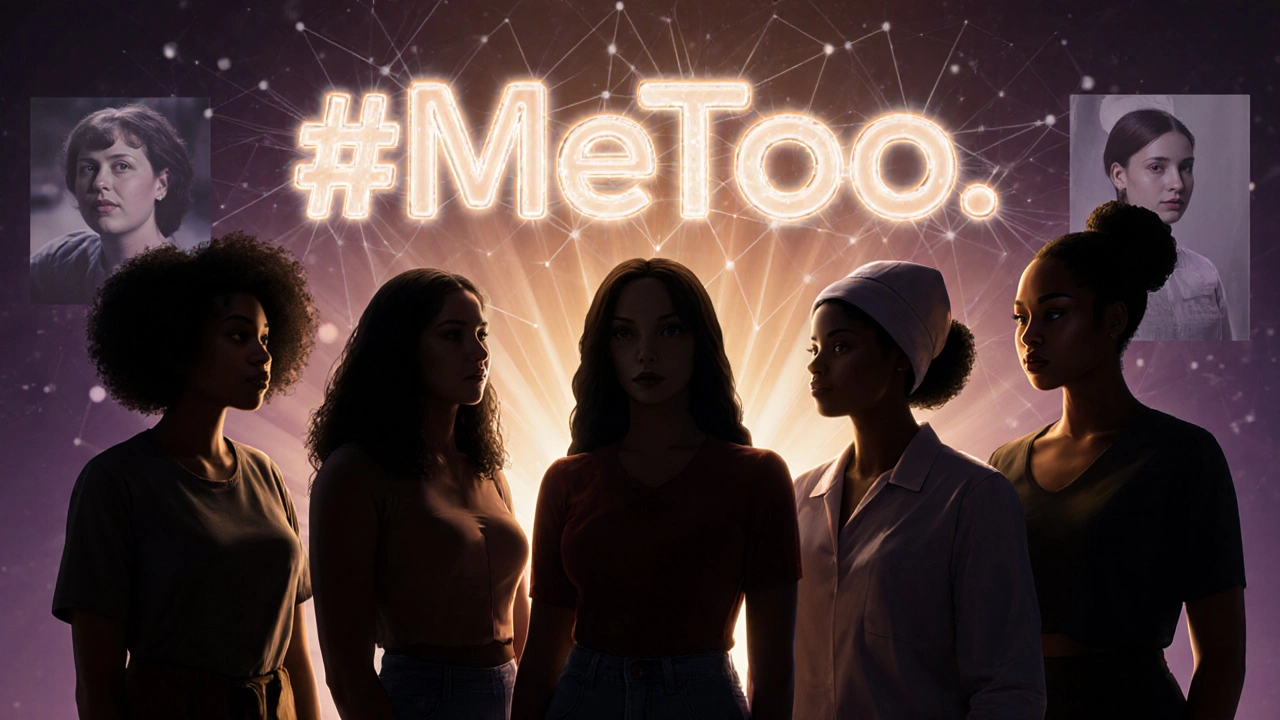
On October 15, 2017, a single tweet from actress Alyssa Milano sparked a global firestorm. "If you've been sexually harassed or assaulted write 'me too' as a reply to this tweet," she wrote. Within hours, millions of women - and men - responded. The hashtag #MeToo didn’t just go viral. It shattered silence. But this wasn’t the beginning of the movement. It was the moment the world finally caught up to a truth that had been building for over a decade.
The Real Origin of #MeToo
Long before celebrities tweeted, Tarana Burke, a Black community organizer from Alabama, started using the phrase "me too" in 2006. She wasn’t trying to trend. She was trying to help. At a youth camp, a 13-year-old girl shared her story of sexual assault. Burke, who had survived her own trauma, responded with two words: "me too." It wasn’t a call for attention. It was a lifeline. "I wanted her to know she wasn’t alone," Burke later said. For years, she ran grassroots programs for young women of color in low-income communities, using "me too" as a tool for healing, not headlines. The world didn’t notice - until 2017. When Harvey Weinstein’s abuse became public, Milano’s tweet gave people a way to speak out. But the movement didn’t start with Hollywood. It started in the margins. And when the media rushed to credit Milano, they erased Burke. A YouGov poll in November 2017 found 63% of Americans thought she created #MeToo. Few knew Burke’s name. That erasure isn’t accidental. It’s a pattern: movements led by women of color gain traction only when white celebrities adopt them - then take the credit.How Social Media Turned Silence Into a Movement
#MeToo didn’t need a new app. It used what already existed: Twitter, Facebook, Instagram. People posted stories. Some were brief. Others were pages long. A teacher. A factory worker. A college student. A nurse. A mother. They wrote about bosses who touched them. Professors who threatened grades. Relatives who abused them. The internet became a public square where survivors didn’t have to whisper. The power wasn’t in the number of tweets - though 12 million in 24 hours was staggering. It was in the pattern. Stories piled up. One after another. No single voice dominated. The movement was decentralized. No leader. No headquarters. Just shared pain and shared strength. This is what scholars call an "affective public" - a crowd bound not by organization, but by emotion. Anger. Grief. Relief. Solidarity. In the U.S., 78% of adults had heard of #MeToo by late 2018. Among Black women, it was 83%. That’s significant. Black women have always been at the center of feminist struggles, yet rarely at the center of the spotlight. #MeToo gave them space. But it also exposed fractures. Many white feminists celebrated the movement while ignoring how race, class, and immigration status shaped who was believed - and who was silenced.Global Reach, Local Censorship
#MeToo didn’t stop at U.S. borders. In France, women posted #BalanceTonPorc ("Expose Your Pig"). In Sweden, it was #TystIKlassen ("Silence in the Classroom"). In China, it became #WoYeShi - "I am also" - or, more cleverly, #RiceBunny, a homophone for "me too" in Mandarin. The Chinese government didn’t ban the hashtag outright. They filtered it. Posts with "rice bunny" disappeared within hours. Zhou Xiaoxuan’s account, where she accused TV host Zhu Jun of sexual assault in 2014, was shared over 10,000 times before vanishing. Her story was real. Her voice was real. But the state made sure it didn’t spread. Still, the movement found cracks. University professors lost their jobs. A Buddhist monk was exposed. Activists used coded language, memes, and indirect references to slip past censors. Digital feminism in China became a game of cat-and-mouse - and the survivors won some rounds. They didn’t need to win the whole war to change things. Just one story shared, one name named, one abuser exposed - that was enough to make others feel less alone.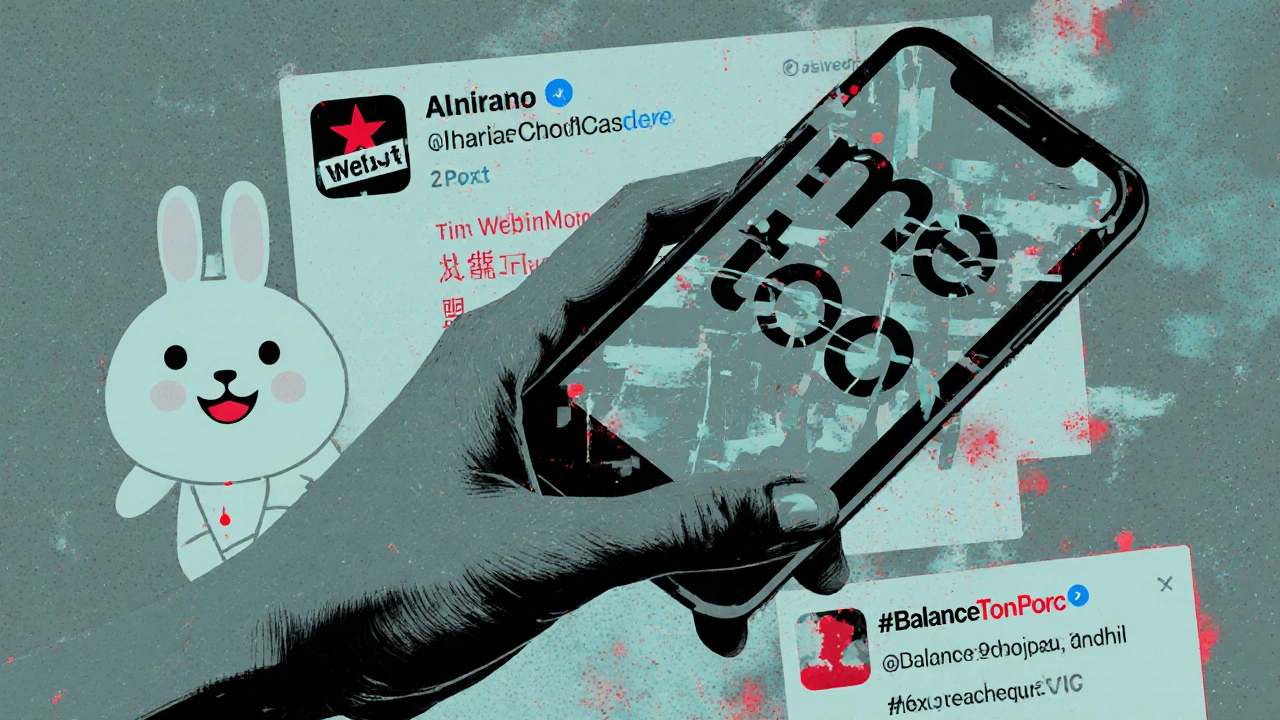
The Backlash and the Cost of Speaking Up
Speaking out didn’t come without consequences. A 2018 SurveyMonkey poll found 42% of women who shared #MeToo stories faced increased online harassment. Some got death threats. Others lost jobs. In one case, a woman was fired after accusing her boss - even though he was never formally charged. The system doesn’t protect survivors. It punishes them. And then there’s the backlash from those who call it "performative." Critics say it’s just virtue signaling. That it’s about victimhood status. But those who lived it know better. This wasn’t about fame. It was about being heard. A 2019 Time’s Up survey found 68% of women who spoke up experienced some kind of retaliation. Not just online trolls - employers, friends, even family members turned away. "They said I was making trouble," one woman told a reporter. "Like I ruined something that was fine."What Changed? Real Results, Not Just Hashtags
#MeToo didn’t just make people talk. It made institutions act. By 2019, 72% of Fortune 500 companies updated their sexual harassment policies - up from just 38% in 2016. California passed Senate Bill 1300, making it easier for victims to sue. Twenty-eight U.S. states passed new laws between 2018 and 2020. HR departments, once quick to bury complaints, now have mandatory training. Some of it’s performative. But some of it’s real. Tarana Burke’s nonprofit, me too. International, now runs with a $1.5 million annual budget. They offer direct support to survivors - counseling, legal aid, community circles. That’s the next phase: moving from viral moment to lasting infrastructure. Digital activism can’t replace courts or policies. But it can force them to open their doors.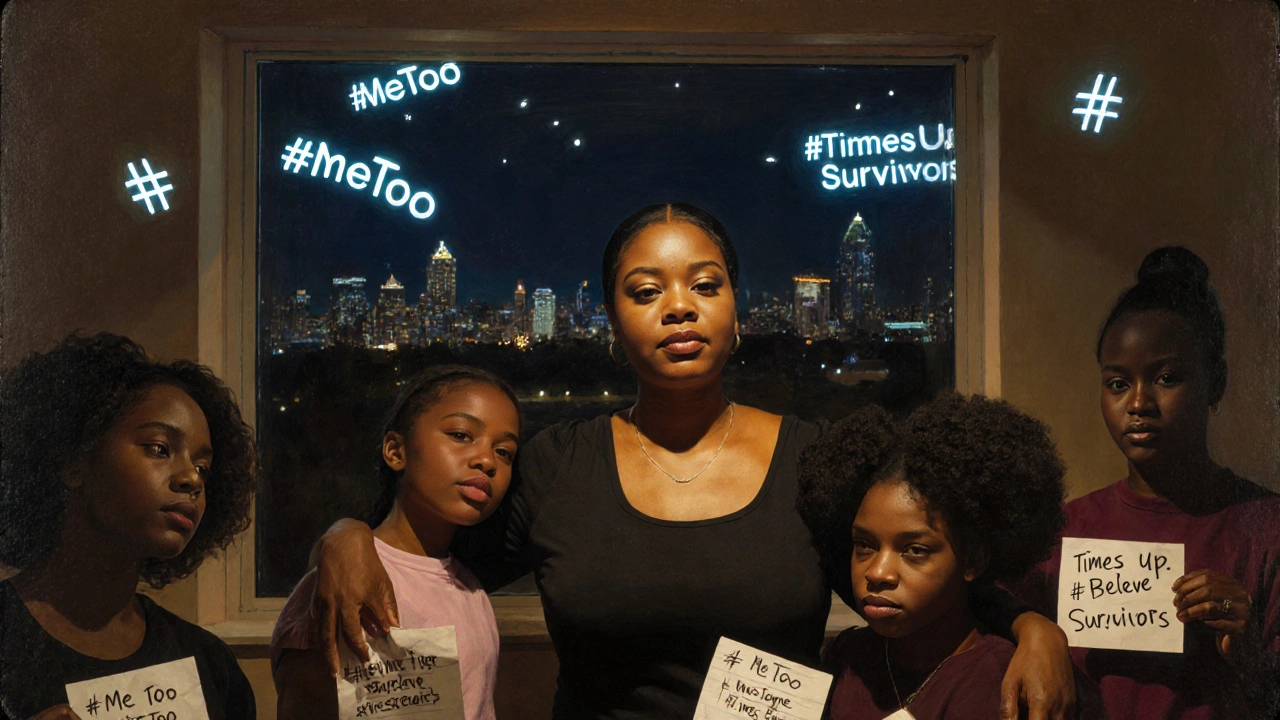
Where Do We Go From Here?
The movement is no longer just a hashtag. It’s a framework. New waves have emerged: #TimesUp for workplace justice, #BelieveSurvivors for institutional accountability. But the biggest challenge now is sustainability. Social media trends fade. Algorithms change. People get tired. The real test isn’t how many tweets get posted. It’s whether workplaces, schools, and homes change. Whether men are held accountable beyond the headlines. Whether survivors - especially those without money, fame, or privilege - can speak without fear. And the work continues. AI-generated deepfakes are now being used to harass women. Online abuse is more sophisticated. Digital literacy matters now more than ever. Survivors need to know how to protect themselves - not just how to speak out.It Was Never Just About One Movement
#MeToo wasn’t born in 2017. It was built over decades - by survivors, by organizers, by women of color who were told to stay quiet. The internet didn’t create it. It amplified it. And that amplification changed everything. Sexual power isn’t just about who touches whom. It’s about who gets to speak. Who gets believed. Who gets punished. #MeToo didn’t end sexual violence. But it cracked the silence. And that crack? That’s where change begins.Who started the #MeToo movement?
The #MeToo movement was founded in 2006 by Tarana Burke, a Black civil rights activist and community organizer. She created it to support survivors of sexual violence, especially young women of color in low-income communities. Although it went viral in 2017 after actress Alyssa Milano shared the hashtag, Burke had been using the phrase "me too" for over a decade to build solidarity among survivors.
Why did #MeToo go viral in 2017?
The hashtag went viral after actress Alyssa Milano tweeted it on October 15, 2017, in response to reports of sexual assault by Hollywood producer Harvey Weinstein. Her tweet gave people a simple, powerful way to share their own experiences. Within 24 hours, the hashtag was used 12 million times. The timing mattered - public outrage over Weinstein’s abuse created a moment where millions felt safe enough to speak up.
Was #MeToo only about Hollywood?
No. While Hollywood celebrities got the most media attention, the vast majority of #MeToo stories came from everyday people - teachers, factory workers, nurses, students, and domestic workers. The movement’s strength was in its diversity of voices. Women from all backgrounds shared experiences of harassment and assault, revealing that this wasn’t an issue limited to powerful men in entertainment - it was systemic and widespread.
How did #MeToo affect countries with strict censorship, like China?
In China, authorities censored direct mentions of #MeToo, blocking keywords like "me too" and "rice bunny" (a homophone for the phrase). Despite this, activists found ways around censorship by using indirect language, memes, and coded references. Stories spread on Weibo and WeChat before being deleted. Activists like Luo Xixi and Zhou Xiaoxuan exposed powerful figures - including professors and TV hosts - despite government pressure. The movement succeeded in bringing some abusers to public accountability, even if official systems didn’t respond.
Did #MeToo lead to real legal or policy changes?
Yes. Between 2018 and 2020, 28 U.S. states passed new laws to strengthen protections for survivors, including California’s Senate Bill 1300, which expanded legal rights for victims. Over 70% of Fortune 500 companies updated their sexual harassment policies. Universities and workplaces introduced mandatory training. While enforcement varies, the movement forced institutions to acknowledge the problem - something they had long avoided.
What are the biggest criticisms of #MeToo?
Some critics argue #MeToo focuses too much on individual accountability and not enough on systemic change. Others say it erases the contributions of women of color, especially Tarana Burke. There’s also concern about online harassment against participants - 42% of women who shared stories reported increased abuse. And while many abusers lost jobs, few faced criminal charges. The movement exposed the problem, but didn’t fix the legal system.
Is digital feminism still relevant today?
Absolutely. New threats like AI-generated deepfakes and online doxxing show how digital spaces can be weaponized against women. But so can they be tools for resistance. Movements like #TimesUp and #BelieveSurvivors build on #MeToo’s foundation. The real legacy isn’t the hashtag - it’s the shift in public conversation. More people now understand consent, power, and accountability. That’s lasting change.