Direct Action in Sex History: Protests, Laws, and the Fight for Sexual Rights
When people fight for control over their own bodies, they don’t wait for permission. Direct action, a form of protest that bypasses traditional channels to demand change through public disruption or civil disobedience. Also known as activism outside the system, it’s how marginalized communities forced society to listen—whether by occupying spaces, refusing to stay silent, or turning private pain into public demand. This isn’t just about marches. It’s about the woman who used a steam vibrator in 1890 to treat "hysteria" and turned medical abuse into personal power. It’s about the transgender people who fought police raids on gay bars in the 1960s and turned Stonewall into a revolution. It’s about survivors of non-consensual intersex surgeries demanding accountability—not apologies, but change.
LGBTQ+ resistance, organized efforts to challenge laws and social norms that criminalize or erase queer identities. Also known as queer activism, it’s the backbone of modern sexual rights. From Thomas Nashe’s banned dildo poem in Elizabethan England to the women who hid lesbian relationships in coded diaries, silence was never the answer. Direct action made the invisible visible. The Hicklin Test once made medical books illegal because they mentioned sex. Activists didn’t petition— they published, distributed, and got arrested. The same energy fueled the fight against the Comstock Act, the criminalization of sex work, and the forced sterilization of intersex infants. These weren’t abstract debates. They were life-or-death battles over who gets to define pleasure, identity, and dignity.
Sex work regulation, the legal and social control of commercial sexuality, often used to punish rather than protect. Also known as prostitution laws, it’s one of the oldest battlegrounds for direct action. Rome taxed sex workers but denied them rights. Modern cities arrest them while ignoring the violence they face. But sex workers didn’t stay quiet. They organized, wrote laws, ran safe houses, and demanded to be seen as workers—not criminals. Their protests led to decriminalization efforts in New Zealand, Canada, and beyond. This isn’t history. It’s happening now—in cities where escorts fight eviction, where dancers demand workplace safety, where survivors of trafficking are treated as criminals instead of victims.
And then there’s consent laws, the evolving legal and cultural standards that define when sexual activity is voluntary. Also known as affirmative consent, they’re the result of decades of direct action by survivors, feminists, and educators. Consent isn’t just a word. It’s a practice shaped by rage, testimony, and refusal. The Río Negro Massacres used rape as a weapon. The Victorian era used shame to silence women’s pleasure. Today, we know coercion isn’t always violent—it’s emotional, financial, and hidden in power imbalances. Direct action forced courts to stop using the Hicklin Test. It made universities adopt affirmative consent policies. It turned "no means no" into "yes means yes."
What you’ll find below isn’t just a list of articles. It’s a map of how people fought back—using words, bodies, laws, and sheer persistence. From Roman taxes on prostitution to AI-generated porn, from medieval marriage contracts to modern LGBTQ+ housing rights, every post here shows how direct action didn’t just change laws. It changed how we see ourselves—and each other.
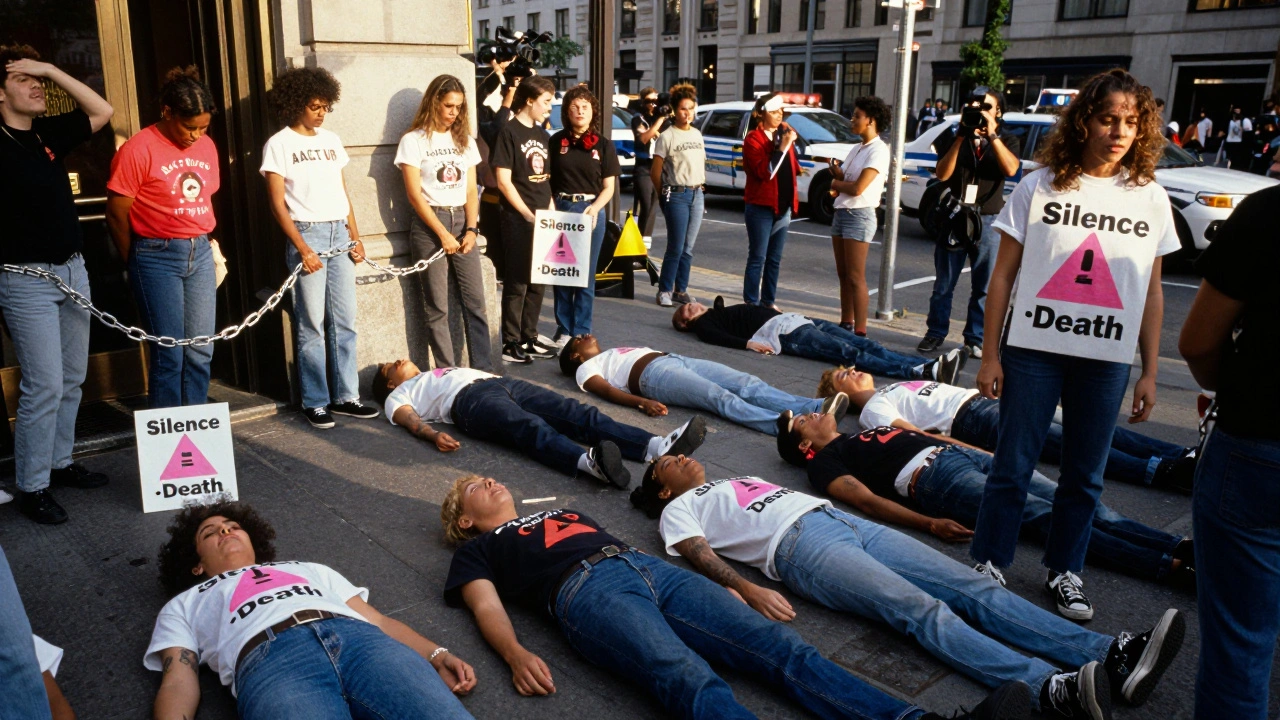
ACT UP: How Direct Action Changed the AIDS Crisis Forever
Dec 8 2025 / LGBTQ+ HistoryACT UP transformed the AIDS crisis through fearless direct action, forcing governments and drug companies to act. Their protests saved millions, changed medical policy, and redefined patient rights - all without waiting for permission.
VIEW MORE