Dobbs v. Jackson: How the Supreme Court Changed Abortion Rights and Sexual Autonomy
When the Supreme Court ruled in Dobbs v. Jackson, a landmark 2022 decision that overturned Roe v. Wade and ended the federal constitutional right to abortion. Also known as the Mississippi abortion case, it didn’t just change a law—it rewrote the rules of who gets to control their own body. Before this ruling, abortion was protected under federal law for nearly 50 years. After? It became a state-by-state gamble. Some states banned it outright. Others expanded access. And millions of people suddenly had to navigate a patchwork of laws that didn’t care about their job, their income, or how far they’d have to drive just to get basic care.
This decision didn’t happen in a vacuum. It was built on decades of legal pressure, shifting court appointments, and a movement that framed abortion as a moral issue—not a health one. But the real impact? It hit hardest where people already had the least power: low-income women, rural communities, teens, and people of color. Reproductive autonomy, the right to make decisions about pregnancy, contraception, and bodily integrity without government interference became a luxury in many places. And reproductive justice, a framework that links abortion rights to race, class, and systemic inequality moved from academic circles into emergency rooms and bus stations. The Court didn’t just take away a right—it exposed how fragile that right always was.
What you’ll find here aren’t just legal summaries. These are stories tied to real lives—how the Dobbs v. Jackson ruling changed everything from how people talk about sex to how clinics operate, how activists organize, and how people plan their futures. You’ll read about how gender roles, medical myths, and historical silence around control over the body all connect to this moment. From Victorian-era ideas about women’s morality to modern fights over consent and bodily freedom, these articles show you that this isn’t just about abortion. It’s about who gets to decide what happens to your body—and who gets left behind when those decisions are taken away.
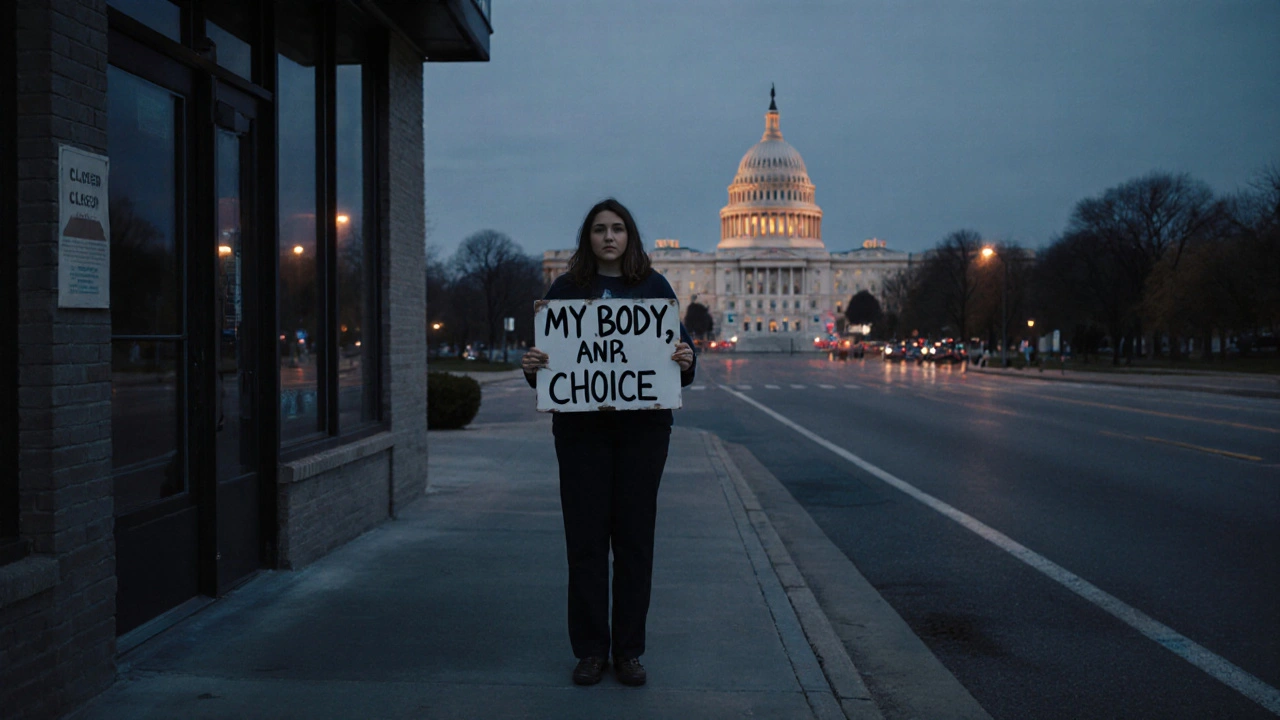
Roe v. Wade (1973): How the Supreme Court Changed Abortion Rights in America
Nov 9 2025 / Social PolicyRoe v. Wade (1973) established a constitutional right to abortion until fetal viability, but was overturned in 2022 by Dobbs v. Jackson. The decision reshaped reproductive rights in America and sparked ongoing legal and political battles.
VIEW MORE