DSM and Sexual Identity: How Psychiatry Shaped Gender, Orientation, and Desire
When we talk about DSM, the Diagnostic and Statistical Manual of Mental Disorders, the official guide used by psychiatrists in the U.S. to classify mental health conditions. Also known as the psychiatric bible, it doesn’t just label disorders—it shapes how we understand desire, gender, and who gets to be called normal. For decades, the DSM didn’t just reflect society’s views on sexuality—it enforced them. Homosexuality was listed as a mental illness until 1973. Transgender identities were bundled under "gender identity disorder" until 2013. These weren’t neutral medical decisions. They were power moves, written by mostly white, cisgender men who decided what counted as healthy—and what didn’t.
The sexual identity, a person’s internal sense of their own sexual orientation and gender, shaped by biology, culture, and personal experience. Also known as sexual orientation and gender identity, it became a battleground in the DSM because it challenged traditional ideas of marriage, family, and gender roles. The manual didn’t just diagnose—it stigmatized. Women who enjoyed sex too much? "Hysterical." Men who didn’t conform to rigid masculinity? "Neurotic." Bisexual people? "Confused." The language in those pages didn’t just describe people—it silenced them. And the effects lasted long after the words were changed. Even today, therapists still use outdated frameworks because the DSM’s legacy is baked into medical training, insurance codes, and legal systems.
What’s surprising isn’t that the DSM got things wrong—it’s how fast it changed when pressure mounted. Activists didn’t just protest—they showed up with data, personal stories, and clinical evidence. The removal of homosexuality from the DSM didn’t happen because doctors suddenly became enlightened. It happened because gay men and lesbians refused to stay invisible. The shift from "gender identity disorder" to "gender dysphoria" wasn’t about softening language—it was about moving from pathologizing identity to recognizing distress caused by societal rejection. That’s the real lesson: the DSM responds to resistance, not just science.
What you’ll find in this collection isn’t just history—it’s the story of how people fought back. From Anne Koedt challenging the myth of the vaginal orgasm to the erasure of lesbian relationships in archives, these posts show how sexual identity was policed, rewritten, and reclaimed. You’ll see how Victorian doctors labeled masturbation as a disease, how police raids on gay bars forced a movement, and how the same manual that once called trans people sick now guides access to care. This isn’t academic trivia. It’s the reason you can walk into a clinic today and ask for hormones without being locked in a psychiatric ward. And it’s why the fight isn’t over.
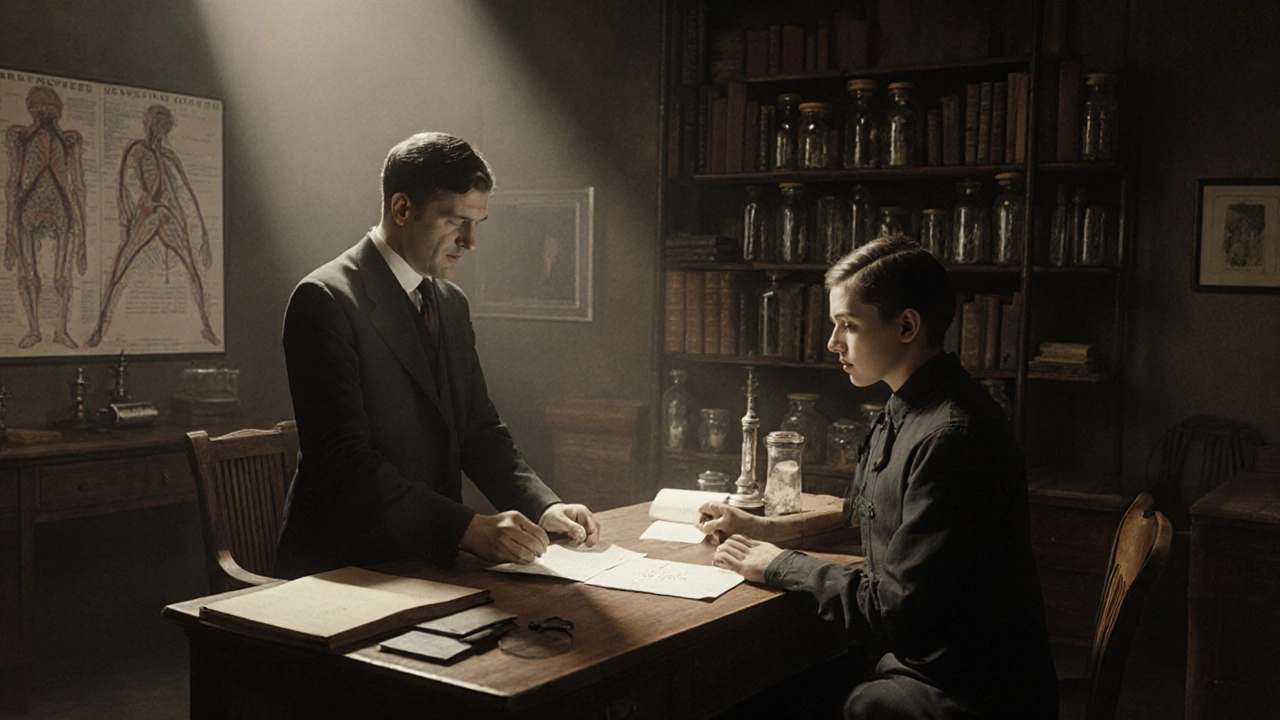
Medicalization of Sexuality: How Clinics and Experts Shaped Modern Identities
Oct 31 2025 / Health & WellnessThe medicalization of sexuality turned sexual identities into diagnoses, shaping how we understand desire, gender, and normalcy. From the DSM to pharmaceutical marketing, clinics and experts redefined human behavior as medical problems-with lasting consequences.
VIEW MORE