Etruscan Banquet Scenes: Sex, Death, and Celebration in Ancient Italy
When you think of ancient burial practices, you probably imagine solemn rituals, quiet graves, and maybe even fear of the afterlife. But in ancient Etruria, death wasn’t something to hide from—it was celebrated. Etruscan banquet scenes, vibrant wall paintings found in tombs that show couples reclining, drinking, and engaging in intimate acts. These weren’t random decorations. They were spiritual maps, meant to guide the soul into the next world with joy, not grief. Unlike the Greeks or Romans who often kept sexuality private, the Etruscans made it public—even in death. And they didn’t just show sex for shock value. It was part of a larger ritual: pleasure as a bridge between life and eternity.
Etruscan funerary art, a distinct style of tomb decoration that blends daily life with mythic symbolism often included food, music, dancing, and sex—all in the same frame. These scenes weren’t about lust. They were about continuity. The reclining couples, sometimes male-female, sometimes same-sex, weren’t just enjoying a party. They were reenacting the eternal banquet of the afterlife, a belief shared across Mediterranean cultures but uniquely bold in Etruria. Tomb paintings, the primary medium through which these rituals were preserved were painted with natural pigments, often in deep reds and earth tones, and placed where the dead would “see” them in their new existence. These weren’t hidden away. They were meant to be witnessed.
What makes these scenes so powerful is what they’re not. They don’t show suffering. They don’t show punishment. There’s no judgment. No guilt. Just people—alive in spirit—sharing wine, touching, laughing. This was a culture that saw the body as sacred, not sinful. And that’s why modern scholars link these images to afterlife rituals, ceremonial practices designed to ensure safe passage and continued vitality beyond death. The Etruscans didn’t believe in a silent, shadowy underworld. They believed in a vibrant, sensual continuation—and they painted it that way.
You won’t find this kind of openness in later Roman or Christian burial art. The Etruscans were erased, their cities absorbed, their beliefs dismissed as pagan excess. But their tombs survived. And in them, we see something rare: a society that didn’t separate sex from spirituality, or pleasure from death. These scenes aren’t just art. They’re a message. Life doesn’t end at the grave. It just changes form. And if you’re going to keep living, you might as well enjoy it.
Below, you’ll find articles that dig into the hidden meanings behind these ancient images—how they connect to modern ideas of sexuality, death, and identity. From the role of gender in Etruscan tombs to how their rituals compare to tantric traditions and Victorian repression, these stories reveal a world where pleasure wasn’t taboo—it was sacred.
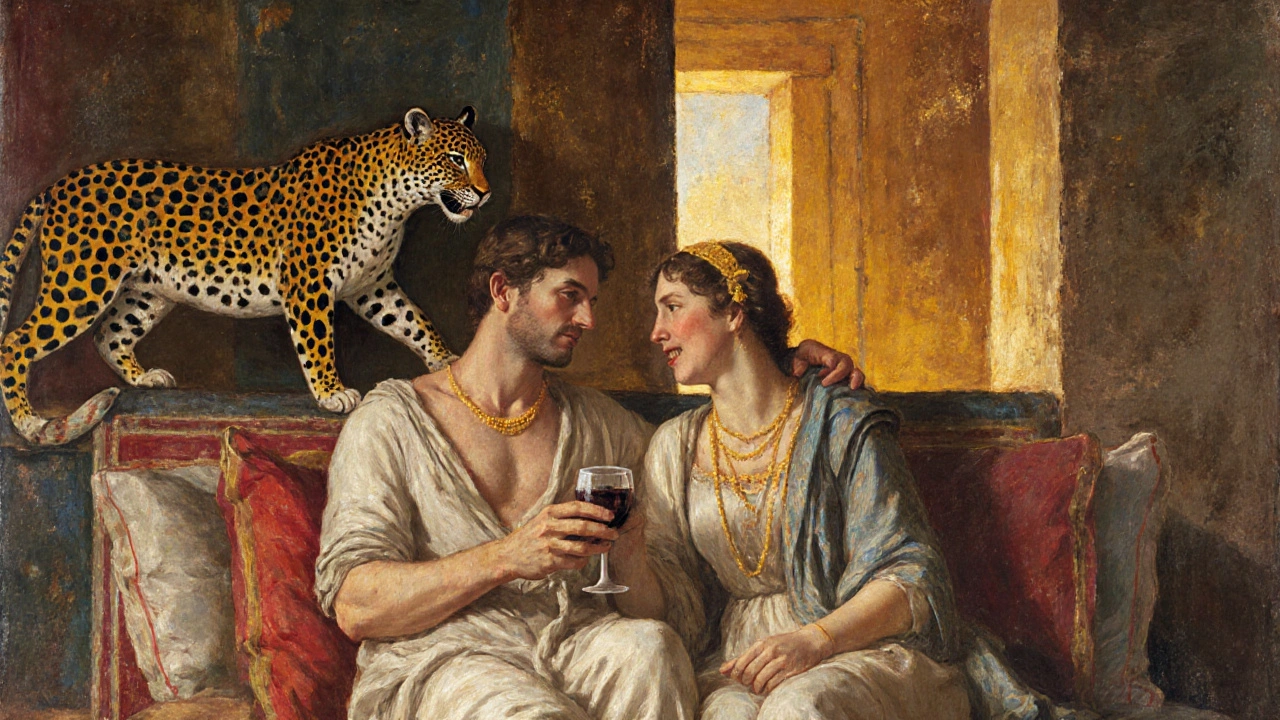
Banquet Scenes and Shared Reclining: How Etruscan Gender Relations Differed from Ancient Greece
Nov 4 2025 / History & ArchaeologyEtruscan banquet scenes reveal women reclining alongside men - a stark contrast to the male-only symposia of classical Athens. This difference reflects deeper cultural values around gender, power, and social equality in ancient Italy.
VIEW MORE