Etruscan Mirrors: Ancient Symbols of Sex, Death, and Power
When you think of ancient mirrors, you might picture a simple polished bronze disc used to check your hair. But for the Etruscan mirrors, handheld bronze objects from ancient Italy, often engraved with mythological and erotic scenes, used in both daily life and burial rituals. Also known as Etruscan engraved mirrors, these weren’t just tools for grooming—they were spiritual objects, political statements, and intimate keepsakes buried with the dead. Unlike Greek or Roman mirrors, which often showed gods or warriors, Etruscan mirrors frequently featured naked figures in sexual acts, sometimes with demons, spirits, or deities. These weren’t random decorations. They were meant to guide souls, protect the dead, and affirm that pleasure didn’t end with life.
These mirrors connect directly to another key entity: Etruscan funerary art, the visual culture of death in ancient Etruria, including tomb paintings, sarcophagi, and engraved objects like mirrors that depicted rituals of sex, dance, and feasting. Also known as Etruscan burial iconography, this art rejected the idea that death was purely grim. Instead, it showed the afterlife as a continuation of earthly joy—where sex, music, and companionship were part of the journey. The same scenes found on mirrors appear in tomb walls, suggesting a belief that sexual energy helped the soul transition. This ties into Etruscan afterlife rituals, beliefs and practices designed to ensure safe passage into the next world, often involving symbolic acts of pleasure, memory, and connection. Also known as Etruscan soul-guiding rites, these rituals treated sex not as taboo, but as sacred technology for transformation.
What’s striking is how different this was from the cultures around them. While Romans later buried their dead with simple coins for Charon, the Etruscans buried women with mirrors engraved with scenes of lovers embracing, gods watching, or even satyrs in pursuit. These weren’t just for the elite—they’ve been found in modest graves too. That means this view of sex and death wasn’t a luxury. It was a shared belief. And it wasn’t just about pleasure. These mirrors often showed women as active participants, sometimes even dominant—challenging later ideas that ancient women were passive in sexuality. They were also tools of identity. Some mirrors had inscriptions naming the owner, suggesting they were personal, even intimate objects passed down or chosen with care.
When you look at the posts below, you’ll see how these mirrors fit into a bigger picture: ancient cultures that didn’t separate sex from spirituality, death from desire. You’ll find stories about Etruscan tomb paintings, how sexual imagery in burial sites was misunderstood for centuries, and how modern scholars are finally seeing these objects not as pornographic, but as deeply theological. You’ll also see how these ancient views contrast with Victorian shame, modern censorship, and even today’s debates about what’s appropriate in death rituals. These mirrors remind us that before religion and law tried to control sexuality, some societies saw it as a natural, even holy, part of life—and death.
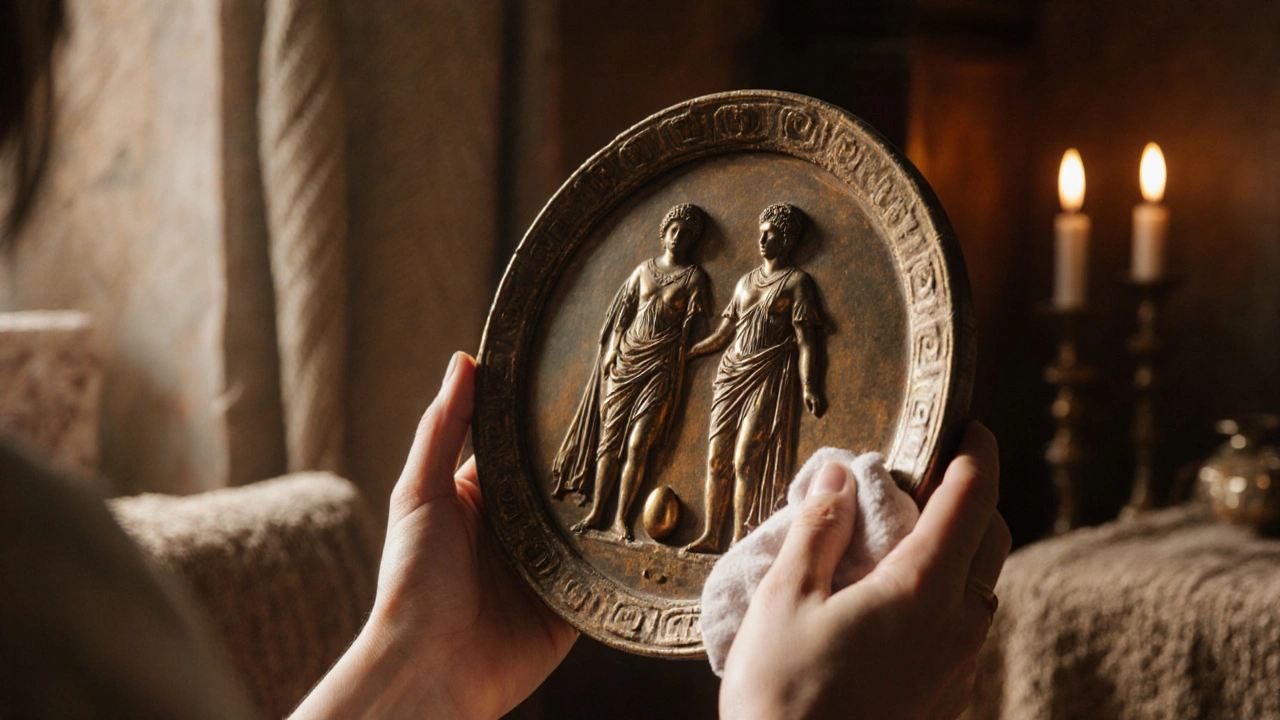
Etruscan Mirrors and Myth: Beauty, Sexuality, and Domestic Power
Oct 24 2025 / History & ArchaeologyEtruscan bronze mirrors reveal how ancient women used beauty, myth, and ritual to claim power in life and death. More than vanity objects, they were spiritual tools linking daily grooming to eternal identity.
VIEW MORE