Etruscan Mythology: Sex, Death, and the Afterlife in Ancient Italy
When you think of ancient myths, you probably imagine gods on thrones or heroes slaying monsters. But Etruscan mythology, a rich, pre-Roman belief system from central Italy that blended local traditions with Greek and Near Eastern influences. Also known as Tyrrhenian religion, it didn’t shy away from the body—especially in death. Unlike the Greeks or Romans, who often hid sexuality behind allegory, the Etruscans painted it openly on tomb walls—not as shock value, but as spiritual guideposts. These weren’t party scenes. They were rituals. Sexual acts in Etruscan tombs were meant to awaken the soul, comfort the dead, and ensure safe passage into the next world. This wasn’t about pleasure for pleasure’s sake. It was about continuity.
What made Etruscan mythology different? It treated death as a transition, not an end. Their gods weren’t distant. They were intimate. Deities like Turan (goddess of love) and Fufluns (god of wine and rebirth) showed up in scenes of dancing, drinking, and sex alongside the deceased. Women weren’t passive. They were active participants—sometimes even leading the rites. This wasn’t just art. It was theology. And it directly influenced how Romans later buried their own. The Etruscan funerary art, a visual language used in tombs to communicate beliefs about life after death didn’t just decorate. It instructed. The Etruscan sexual depictions, explicit images of couples, orgies, and erotic play found in burial chambers were believed to channel fertility, vitality, and divine favor. These weren’t forbidden. They were sacred. Even the positioning of bodies—sometimes lying side-by-side in embrace—reflected a belief that love survived death.
And here’s the twist: this openness didn’t mean chaos. Etruscan society had strict roles, but they didn’t tie morality to repression. Their priests, often women, held real power. Their rituals were precise. Their art was symbolic. The afterlife rituals, structured ceremonies designed to guide the soul through the underworld using music, offerings, and erotic symbolism were carefully timed, often tied to seasonal cycles. This wasn’t wild hedonism. It was a deeply spiritual system that saw the body—not as sinful, but as sacred. When Rome conquered them, they buried these ideas under Latin decorum. But the tombs didn’t lie. They still show us a culture that understood sex, death, and rebirth as one continuous thread.
What follows is a curated collection of articles that dig into the hidden layers of this world—how sexual imagery in tombs reflected spiritual beliefs, how gender roles in Etruscan society differed from their neighbors, and how these ancient practices echo in modern understandings of pleasure and mortality. You’ll find connections to Victorian repression, Tantric symbolism, and even the medical myths around masturbation. This isn’t just history. It’s a mirror.
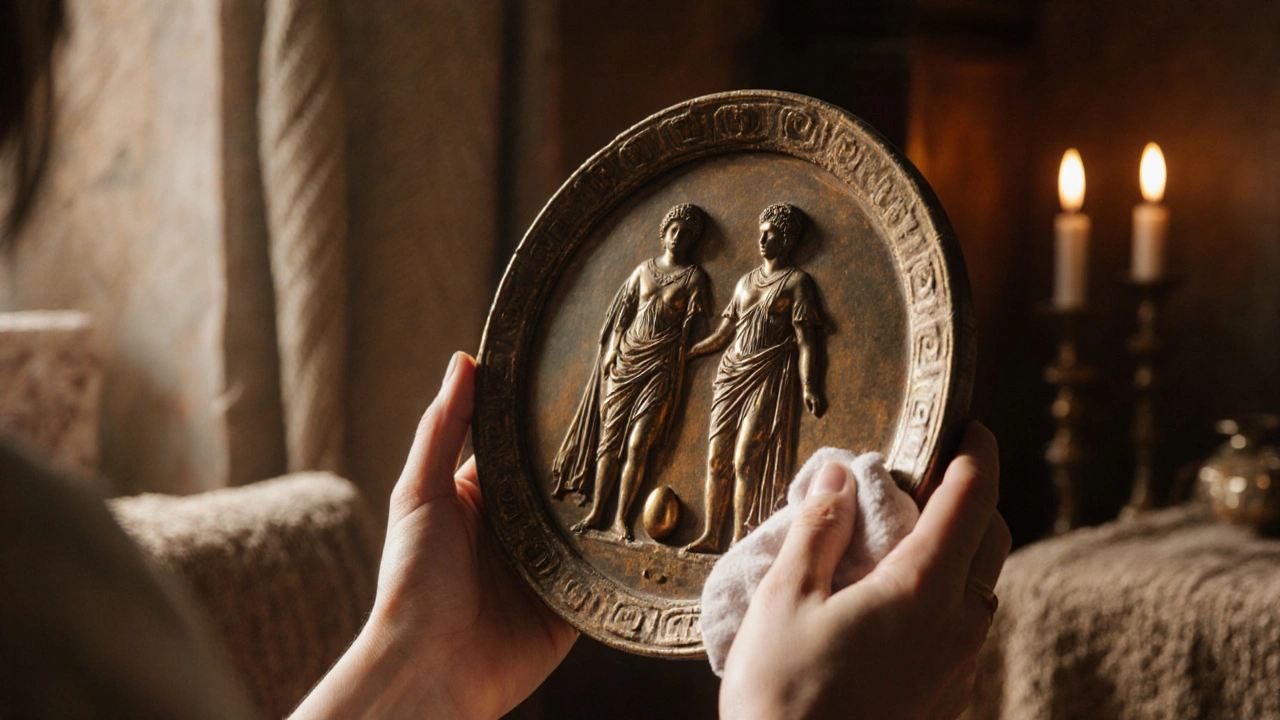
Etruscan Mirrors and Myth: Beauty, Sexuality, and Domestic Power
Oct 24 2025 / History & ArchaeologyEtruscan bronze mirrors reveal how ancient women used beauty, myth, and ritual to claim power in life and death. More than vanity objects, they were spiritual tools linking daily grooming to eternal identity.
VIEW MORE