Family Gender Roles: How History Shaped What Men and Women Are Supposed to Do
When we talk about family gender roles, the expected behaviors and responsibilities assigned to men and women within households based on cultural norms. Also known as domestic gender expectations, it's not about biology—it's about power, control, and centuries of enforced tradition. These roles didn’t appear out of nowhere. They were carved into law, religion, and daily life by people who wanted order—and profit. In medieval times, marriage was a business deal. Families swapped land, money, and influence through unions, and women’s value was tied to dowries and fertility. Men were the public face—handling politics, trade, and law—while women stayed inside, managing homes and children. This wasn’t just tradition; it was economic survival.
That system didn’t vanish. It evolved. By the Victorian era, the idea of separate spheres, the belief that men belonged in the public world of work and politics, while women were confined to the private realm of home and family. Also known as domestic ideology, it became gospel. Women weren’t just kept home—they were told their very nature made them unfit for anything else. Meanwhile, men were pressured to be strong, silent, and stoic, even when they were breaking inside. Today, we still feel the weight of those old scripts: men who cry are weak, women who work too much are neglecting family, and anyone who doesn’t fit the binary gets erased. bisexual erasure, the systematic ignoring or denying of bisexual identities in culture, media, and even LGBTQ+ spaces. Also known as biphobia, it’s just another version of the same old game—forcing people into boxes. And when men can’t talk about their pain, when women are shamed for wanting pleasure, when non-binary people are told they don’t exist—that’s not progress. That’s legacy.
What you’ll find here aren’t just old stories. These are the roots of why you feel the pressure to be a certain way. You’ll read about how medieval marriage, economic contracts used by families to transfer wealth and secure political alliances. Also known as dowry-based unions, it was a system that protected both men and women—but only if they played their part. You’ll see how masculinity crisis, the rising rates of male suicide, isolation, and identity loss tied to outdated ideas of manhood. Also known as male mental health collapse, it’s not new—it’s the end result of centuries of silence. You’ll learn how women were once treated for "hysteria" with steam-powered vibrators, how lesbian history was burned from the archives, and how the orgasm was deemed unnecessary by science… until women demanded the truth. This isn’t history for nostalgia. It’s history for freedom. The roles you were handed? They were written by people who didn’t know better. Now you do.
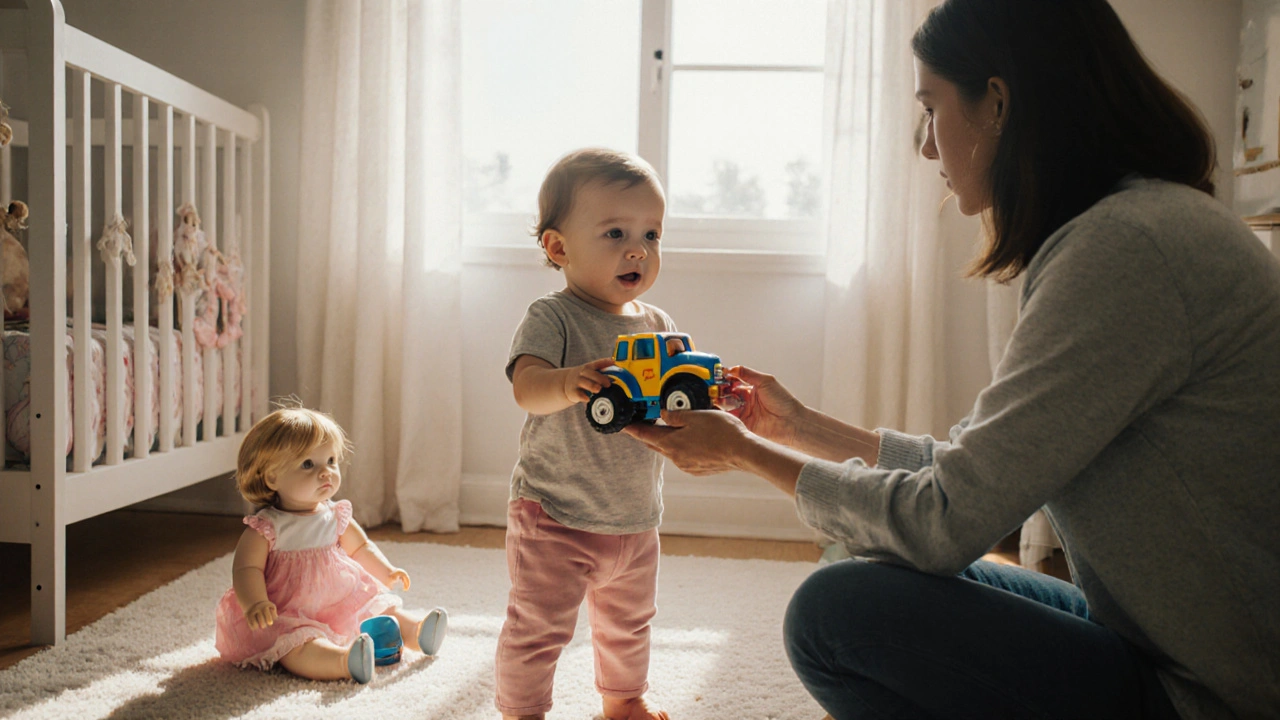
Gender Socialization: How Families Shape Gender Expectations from Day One
Nov 10 2025 / Health & WellnessFamilies shape gender expectations from infancy through everyday choices-what toys kids get, how they’re praised, and what behaviors are rewarded. Learn how these subtle messages impact children’s future and how parents can foster more flexible, healthy gender development.
VIEW MORE