Female Virginity India: Myths, Culture, and the Hidden History of Female Sexuality
When we talk about female virginity India, a deeply embedded social construct tied to honor, marriage, and control over women’s bodies in South Asian societies. Also known as chastity culture, it’s not just about biology—it’s a system of power disguised as morality. This idea didn’t come from nature. It was built over centuries through religious texts, colonial laws, and family pressure—and it still dictates who gets married, who’s shamed, and who’s silenced.
Related to this is virginity culture, the broader social framework that ties a woman’s worth to her sexual history, or lack thereof. This isn’t unique to India, but here it’s amplified by arranged marriage systems, dowry expectations, and the fear of family dishonor. In rural areas, brides are still tested for virginity after marriage—sometimes with humiliating, unscientific methods. Meanwhile, in cities, young women hide their relationships, avoid dating apps, and lie about their pasts—not because they’re ashamed of sex, but because they’re afraid of being judged as "damaged goods." This pressure doesn’t come from the women themselves. It comes from generations of men controlling women’s sexuality under the guise of protection. And then there’s sexual shame, the emotional weight carried by women who are taught that pleasure is dangerous, that desire is sinful, and that their bodies belong to their future husbands. This shame doesn’t just affect how women see themselves—it shapes their relationships, their mental health, and even their access to healthcare. Meanwhile, male sexuality is rarely questioned. A man’s past is a trophy. A woman’s past is a threat.
The history behind this isn’t ancient myth—it’s alive in today’s courtrooms, wedding halls, and WhatsApp groups. When a woman is raped, her virginity is often the first thing questioned. When a girl runs away with her partner, her family may disown her. And when a woman seeks help for sexual pain or trauma, doctors still ask if she’s "still a virgin." These aren’t isolated incidents. They’re symptoms of a system designed to keep women in line.
But change is happening. More women are speaking out. More young people are rejecting the idea that their value is tied to their hymen. And in the archives, we’re uncovering stories that were erased—women who loved other women, who masturbated in secret, who refused to marry. Their voices were buried, but they’re coming back.
Below, you’ll find articles that dig into the roots of these ideas—how gender roles, medical myths, and colonial thinking turned female virginity into a weapon. You’ll see how silence was used to control, how science was twisted to justify shame, and how women are finally reclaiming their bodies—not by fighting the system head-on, but by refusing to play by its rules anymore.
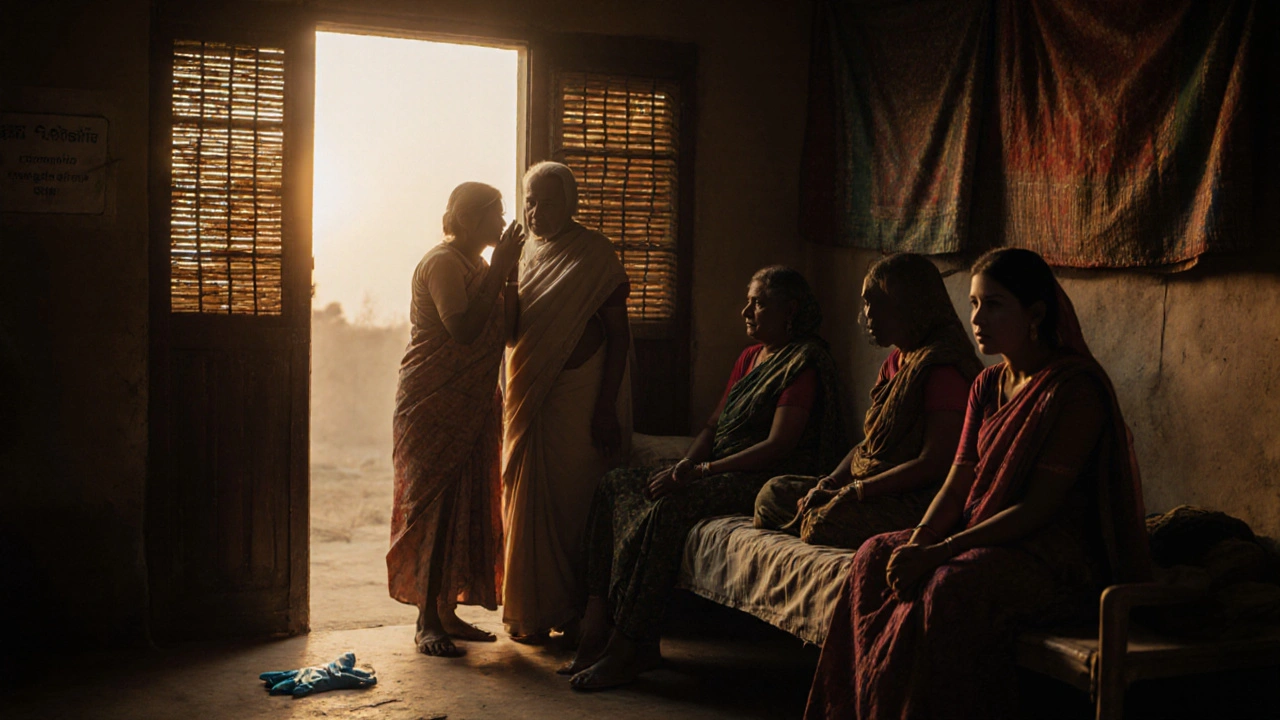
Female Virginity in India: How Honor, Economics, and Bride Price Shape Marriage Decisions
Oct 31 2025 / EconomicsFemale virginity in India is tied to family honor and marriage economics, influencing dowry, bride price, and social status. Despite being unscientific and illegal, virginity testing persists, especially in rural areas, while urban youth increasingly reject the norm.
VIEW MORE