Fuke Medicine: The Hidden History of Sex, Science, and Shame
When you hear the term fuke medicine, a colloquial and often mocking term for outdated medical practices that pathologized female sexuality, especially in the 19th century. Also known as hysteria treatment, it refers to the era when doctors diagnosed women with everything from nervousness to sexual desire as medical conditions requiring intervention. This wasn’t science—it was control dressed in white coats. Women were told their bodies were broken if they wanted sex, resisted marriage, or felt pleasure without a man present. The tools they used—steam-powered vibrators, electrical baths, even forced pelvic massage—weren’t invented to help. They were built to quiet women down.
Behind fuke medicine was a network of beliefs that linked female desire to madness. Victorian sexuality, a rigid system that saw men as driven by natural lust and women as pure, passive vessels made it easy to blame women’s bodies for problems that had nothing to do with them. Doctors like William Acton claimed most women had no sexual feelings at all—yet they still sold treatments for "hysteria," a catch-all diagnosis that could mean anything from anxiety to refusing to have sex. Meanwhile, masturbation, a natural act that was once labeled a cause of blindness, insanity, and death was treated like a plague. The irony? The very devices used to "cure" women of their urges were the first sex toys ever mass-produced. Women didn’t know they were getting pleasure—they were told they were getting therapy.
These myths didn’t vanish with the 1800s. They just got quieter. The idea that female pleasure is suspicious, that women’s bodies need fixing, or that sexual desire is dangerous if it’s not tied to reproduction? That’s still in the air. Modern medicine has debunked most of it, but the shame? That lingers in silence, in skipped doctor visits, in women who still feel guilty for wanting more. The history of fuke medicine isn’t just about old machines and bad science. It’s about who gets to define what’s normal—and who gets punished for stepping outside it.
What follows is a collection of articles that dig into the real stories behind those myths: how doctors turned pleasure into pathology, how women fought back using the very tools meant to silence them, and how today’s conversations about consent, orgasm, and gender still echo those old, broken ideas. You’ll find the truth behind the steam vibrators, the banned poems, the erased lesbian histories, and the science that finally proved women’s bodies weren’t broken—they were just misunderstood.
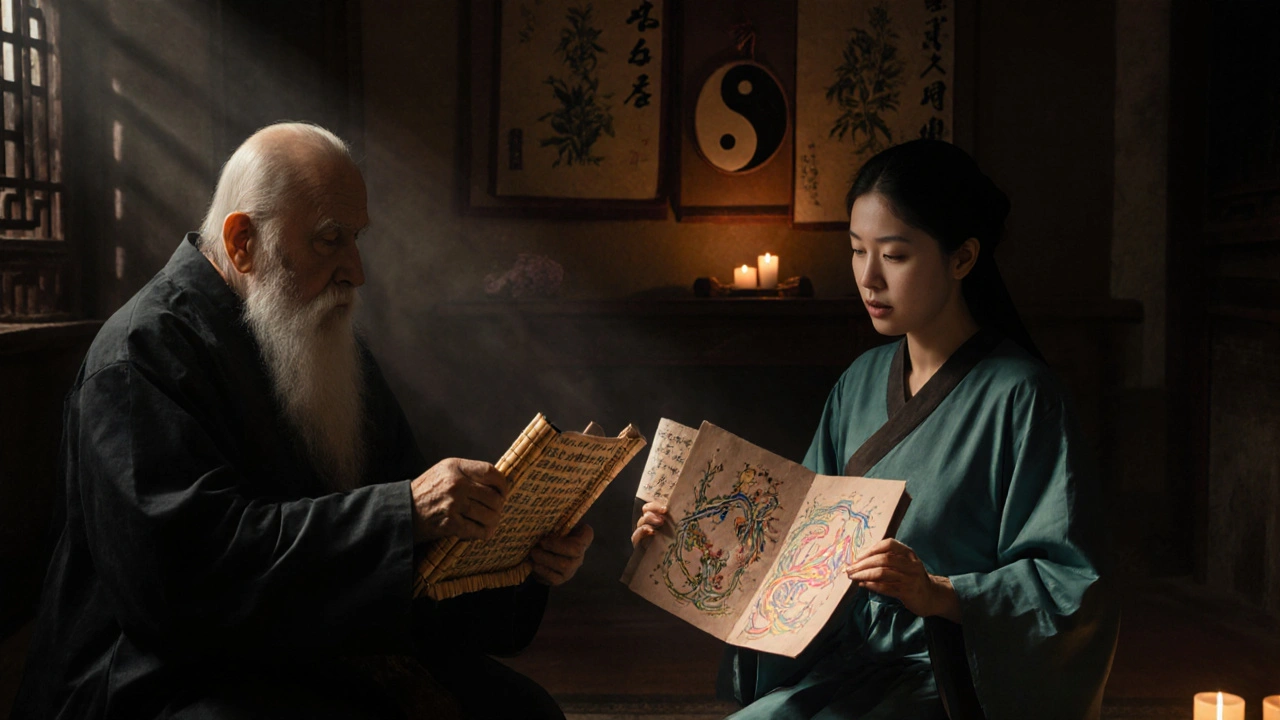
Sexuality in Ancient China and Southeast Asia: Medicine, Method, and Social Roles
Oct 22 2025 / Global TraditionsAncient China and Southeast Asia developed sophisticated systems of sexual medicine, blending spirituality, herbalism, and body awareness. From energy conservation techniques to early recognition of STIs, their methods reveal a deep, practical understanding of human sexuality long before modern science.
VIEW MORE