Gay Rights 1950s: The Quiet Uprising That Changed Everything
When you think of gay rights 1950s, the early organized fight for LGBTQ+ dignity in a time of intense criminalization and social shame. Also known as the homophile movement, it wasn’t loud protests or rainbow flags—it was handwritten newsletters, secret meetings, and people risking everything just to exist without fear. This wasn’t a movement led by celebrities or politicians. It was led by teachers, veterans, librarians, and factory workers who knew that silence meant death—and so they whispered instead.
Back then, being openly gay could get you fired, arrested, or locked up in a mental hospital. Police raided gay bars like they were breaking up gang meetings. In cities like New York, San Francisco, and Chicago, undercover officers would entrap men just for holding hands or walking into a known gay hangout. But in the shadows, something else was growing. Groups like the Mattachine Society and the Daughters of Bilitis started forming. They didn’t demand marriage or parades. They asked for something quieter but deeper: the right to be treated like human beings. They published magazines like The Ladder and One, mailed them in plain envelopes, and taught members how to talk to lawyers, handle police harassment, and build community without drawing attention. These weren’t radicals—they were practical. They knew change wouldn’t come from shouting. It would come from showing up, staying steady, and proving that gay people weren’t monsters—they were neighbors, coworkers, parents.
The police raids on gay bars, systematic crackdowns targeting LGBTQ+ gathering spaces under vague morality laws. Also known as vice raids, it was a daily threat that turned every night out into a gamble. But those raids didn’t just crush spirits—they built them. Each arrest, each headline, each closed bar pushed more people to speak up. And by the end of the decade, the groundwork was laid for what would explode in 1969 at Stonewall. The Stonewall Uprising, the 1969 rebellion against police brutality that ignited the modern LGBTQ+ rights movement. Also known as the Stonewall riots, it didn’t come out of nowhere. It was the direct result of years of quiet organizing, legal challenges, and the refusal to stay hidden. The people who fought in the 1950s didn’t live to see the parades or the Supreme Court rulings. But they made them possible.
Below, you’ll find real stories from that era—the ones that got buried, the ones that were censored, the ones that still matter. From the first legal battles over gay publications to the underground networks that kept people safe, this collection pulls back the curtain on what really happened when the world said you had to be invisible. These aren’t just history lessons. They’re survival manuals.
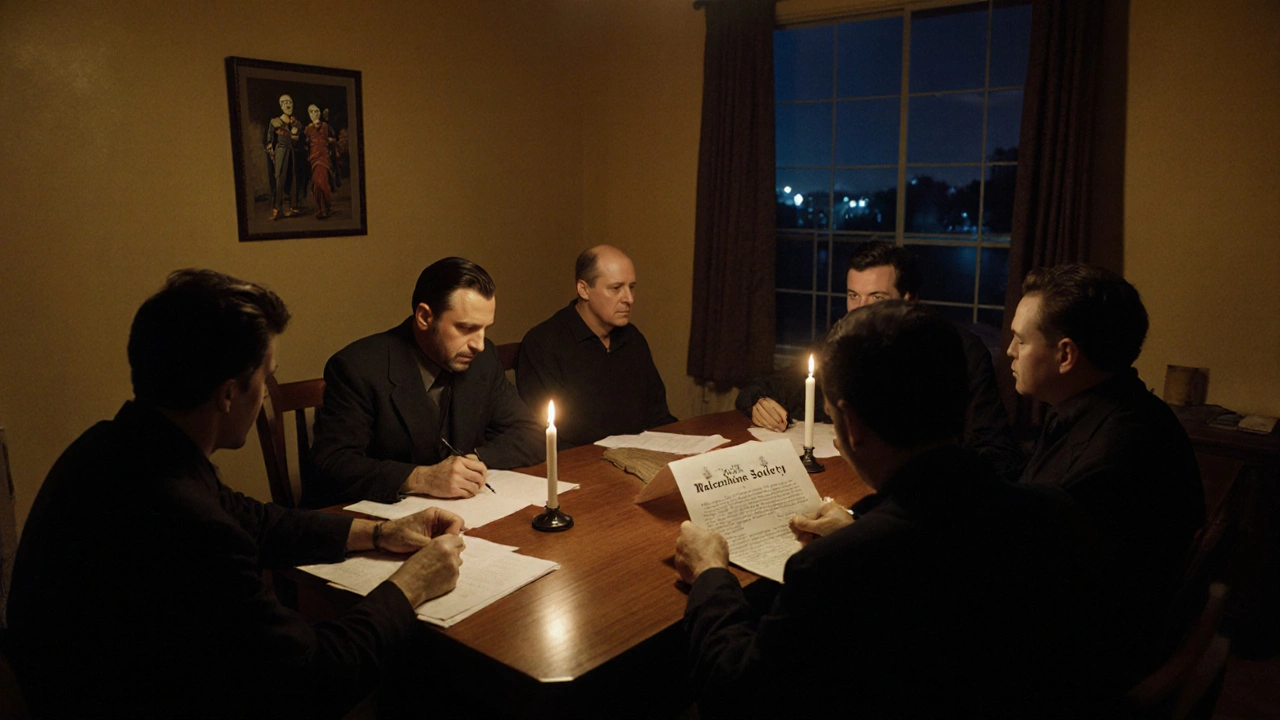
The Mattachine Society: America’s First Gay Rights Movement in the 1950s
Nov 5 2025 / LGBTQ+ HistoryThe Mattachine Society was America’s first sustained gay rights organization, founded in 1950 by Harry Hay and others. Through secrecy, legal defense, and education, they challenged the idea that homosexuality was a disease - paving the way for future activism.
VIEW MORE