Gender Roles: How History Shaped What Men and Women Are Expected to Do
When we talk about gender roles, socially enforced expectations about how people should behave based on their perceived sex. Also known as sex-based norms, it's not biology—it's centuries of rules dressed up as tradition. These roles didn't appear out of nowhere. They were written into laws, religious texts, medical manuals, and even toy catalogs. From the Victorian separate spheres ideology, the idea that men belonged in public life and women in the home to today’s masculinity crisis, the collapse of traditional male identities amid economic and social change, these expectations have always been about control—not compatibility.
What’s often ignored is how deeply these roles were enforced. Women weren’t just told to stay home—they were medically pathologized for wanting more. Victorian doctors labeled female desire as "hysteria" and treated it with steam-powered vibrators. Men weren’t just expected to be providers—they were punished for showing emotion, leading to rising suicide rates and disappearing friendships. Meanwhile, bisexual erasure, the systematic denial of bisexual identity in culture and research and the archival erasure of lesbian history show how power doesn’t just assign roles—it deletes anyone who doesn’t fit them. Even today, families shape gender expectations before kids can talk—what toys they’re given, how they’re praised, what behavior is rewarded or shut down.
These aren’t just old stories. They’re the roots of today’s debates over consent, reproductive rights, and LGBTQ+ visibility. The same systems that once silenced women’s pleasure now try to silence trans identities. The same laws that treated marriage as an economic contract still affect who gets housing, healthcare, and legal protection. What you’ll find below isn’t just history—it’s a map. A map of how shame, science, and resistance shaped who we’re allowed to be. And more importantly, how we’re finally breaking free.
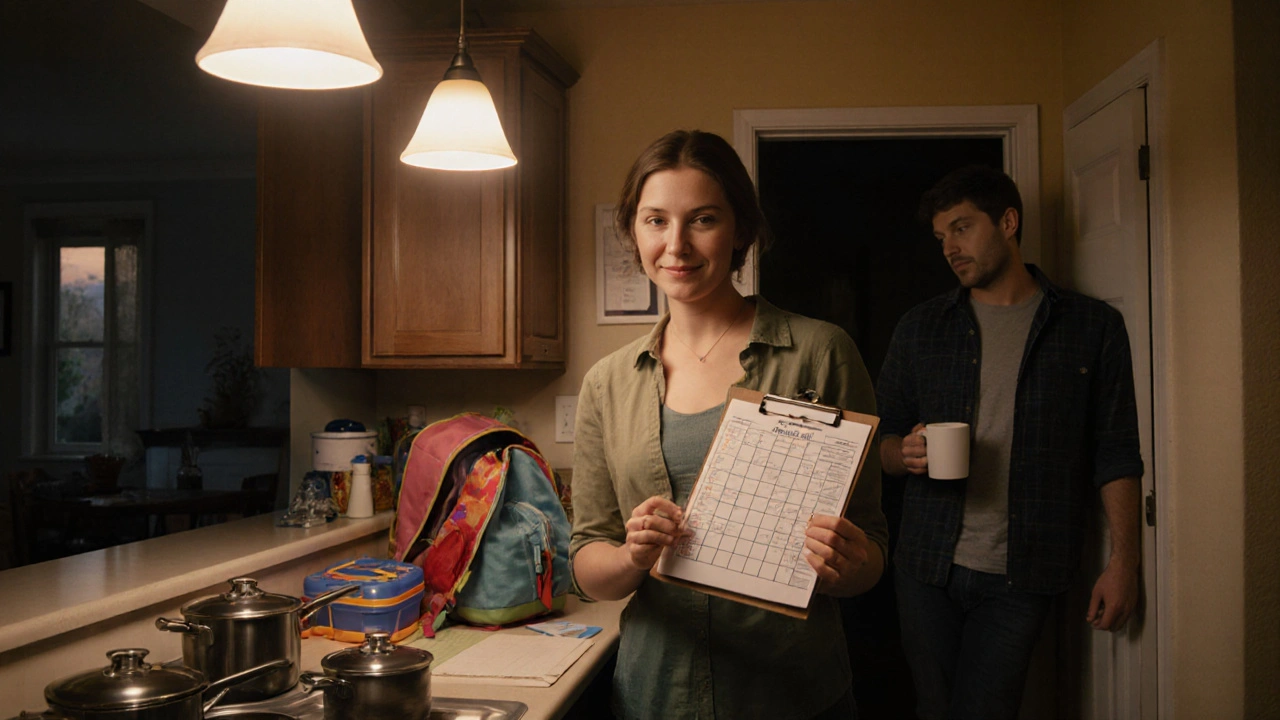
Domestic Labor and the Second Shift: Who Does What at Home?
Oct 24 2025 / EconomicsWomen still do nearly twice as much unpaid housework and childcare as men-even when they work full-time. This 'second shift' drains time, energy, and mental health. Data shows the gap persists across races and income levels, and real change requires more than good intentions.
VIEW MORE