Greek symposia: Ancient banquets, sex, and power in classical Greece
When you think of Greek symposia, formal drinking gatherings in ancient Greece where men debated philosophy, politics, and pleasure. Also known as symposiums, these events were the heartbeat of elite male social life—where wine flowed, poetry was recited, and sex wasn’t just hinted at, it was part of the program. Unlike modern parties, a symposium wasn’t casual. It was ritualized, carefully planned, and deeply political. Guests reclined on couches, slaves poured wine diluted with water, and entertainment ranged from flute girls to hired male companions. This wasn’t just about getting drunk—it was about displaying status, forming alliances, and exploring desire within strict social boundaries.
The gender roles in antiquity, the rigid separation between public male life and private female life in ancient Greece made symposia a male-only space. Women of citizen status didn’t attend. Instead, hetairai—educated, independent courtesans—were invited to converse, play music, and sometimes sleep with guests. These women weren’t slaves; many owned property and influenced philosophers like Socrates. Meanwhile, the ancient Greek sexuality, a system where relationships between older men and younger males were socially accepted as educational and erotic played out in plain sight. Pederasty wasn’t hidden—it was idealized in art and literature, though always tied to power, mentorship, and control. The symposium was where these dynamics played out: who spoke, who was served, who was touched, and who stayed silent.
What you won’t find in most history books is how these parties shaped modern ideas about sex, friendship, and power. The symposium didn’t just reflect Greek culture—it built it. Philosophers like Plato turned these gatherings into frameworks for thinking about love and truth. Artists painted scenes of them on pottery, capturing everything from drunken chaos to quiet intimacy. And while the Roman later copied the form, they lost its edge—the Greek symposium was never just about drinking. It was about control, performance, and the messy, beautiful ways humans connect when rules are bent but never broken.
Below, you’ll find articles that dig into the hidden layers of ancient desire, from how women were erased from these scenes to how sexual norms in classical Greece still echo in today’s conversations about power and consent. These aren’t just old stories—they’re maps to how we still think about sex, status, and who gets to speak.
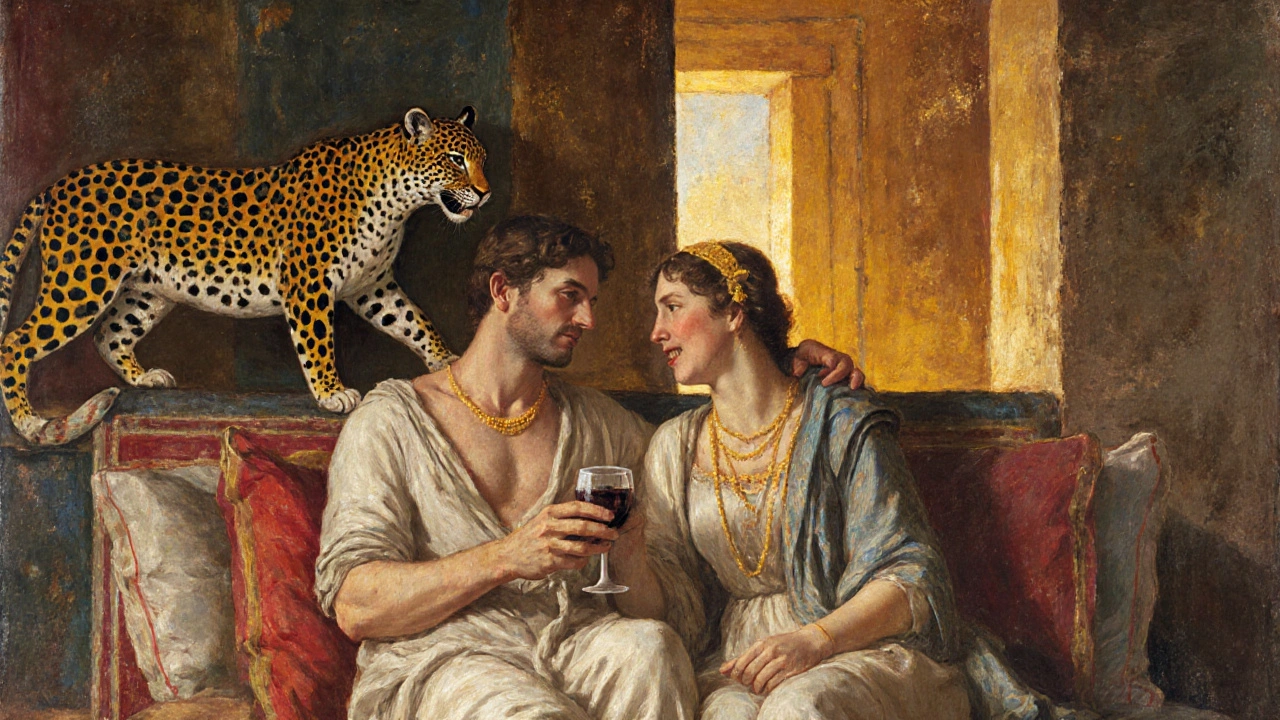
Banquet Scenes and Shared Reclining: How Etruscan Gender Relations Differed from Ancient Greece
Nov 4 2025 / History & ArchaeologyEtruscan banquet scenes reveal women reclining alongside men - a stark contrast to the male-only symposia of classical Athens. This difference reflects deeper cultural values around gender, power, and social equality in ancient Italy.
VIEW MORE