HIV medications: What they are, how they work, and why history matters
When you hear HIV medications, drugs designed to suppress the human immunodeficiency virus and prevent it from destroying the immune system. Also known as antiretroviral therapy, it isn’t just science—it’s survival. In the 1980s, an HIV diagnosis meant you were given months to live. Today, someone on consistent HIV medications can expect to live a full, healthy life. That shift didn’t happen by accident. It came from activists screaming in the streets, scientists working around the clock, and people living with HIV refusing to be erased. These medications don’t cure HIV, but they stop it in its tracks. And that changes everything.
But HIV medications didn’t appear out of nowhere. They grew out of a time when the government ignored gay men, sex workers, and drug users who were dying by the thousands. The first drug, AZT, was rushed out in 1987 with little testing—and it barely worked. But it was a start. Then came combination therapy in the mid-90s, a breakthrough that dropped death rates by 80%. Suddenly, people weren’t just surviving—they were working, dating, having kids. And that’s when stigma started to crack. Antiretroviral therapy, a daily regimen of two or more drugs that block HIV at different stages of its life cycle became the gold standard. Today, it includes pills you take once a day, long-acting injections every two months, and even experimental cures being tested in labs. But the real story isn’t just the science—it’s the people who fought for access. Poor communities, Black and Brown neighborhoods, transgender women, and sex workers were left behind for years. Even now, cost, shame, and misinformation keep people from starting treatment.
And here’s the part no one talks about enough: HIV medications are also prevention. When someone takes their meds and stays undetectable, they can’t pass HIV to a partner. That’s not theory—it’s proven. U=U—Undetectable = Untransmittable—is now backed by over 500 studies. This isn’t just medical news; it’s social justice. It means someone living with HIV can have sex without fear of infecting someone else, without guilt, without hiding. It means the old myths—about promiscuity, punishment, or divine wrath—are finally collapsing under facts. Meanwhile, HIV prevention, strategies like PrEP (pre-exposure prophylaxis) that stop HIV before it takes hold has become a lifeline for people at higher risk, especially in communities where testing and care are still hard to reach. And AIDS history, the decades-long struggle of marginalized communities to demand care, visibility, and dignity isn’t over. It’s still being written—in clinics, in courtrooms, in bedrooms where someone decides whether to speak up or stay silent.
What you’ll find in these articles isn’t just clinical data. It’s the raw, human side of how sex, power, and survival collided during the epidemic. You’ll read about how stigma shaped who got treated, how activism changed medicine, and how the same forces that silenced people then still echo in today’s conversations about sex work, consent, and bodily autonomy. These stories don’t just explain HIV medications—they show why they matter, who they saved, and what we still need to fix.
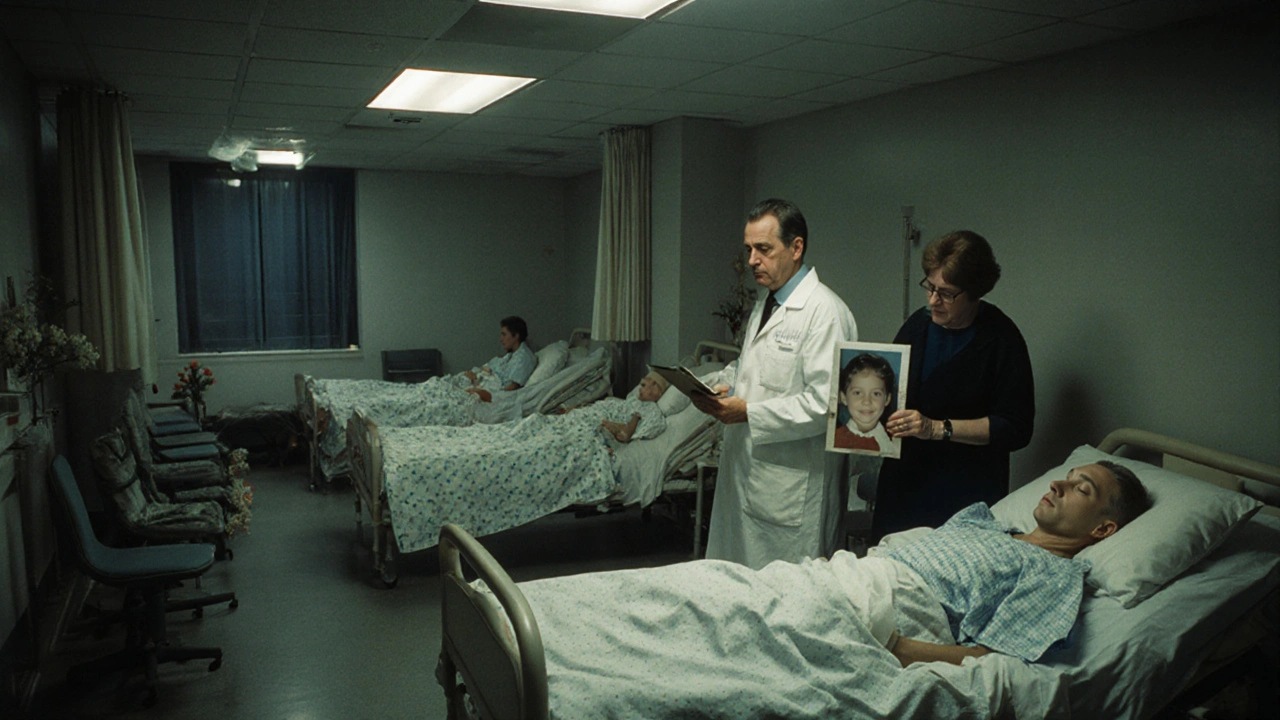
The Lazarus Effect: How Modern HIV Medications Turned a Death Sentence into a Manageable Condition
Nov 9 2025 / Health & WellnessThe Lazarus Effect transformed HIV from a fatal diagnosis to a manageable condition. Discover how modern antiretroviral therapy brought people back from the brink-and why access remains the biggest challenge today.
VIEW MORE