HIV treatment: What works, what changed, and who it affects today
When someone is diagnosed with HIV treatment, the medical and social approach to managing the human immunodeficiency virus. Also known as antiretroviral therapy, it has evolved from a desperate last resort to a daily routine that lets people live long, healthy lives. In the 1980s, an HIV diagnosis meant you were given months to live. No one knew how to stop the virus. Today, a single pill, taken once a day, can reduce the virus in your blood to undetectable levels—so low it can’t be passed on to others. That’s not theory. It’s science backed by decades of research and real-world results.
But HIV treatment isn’t just about pills. It’s tied to HIV prevention, strategies like PrEP and needle exchanges that stop infection before it starts, and the long shadow of AIDS history, the panic, silence, and activism that shaped how we respond to the virus. For years, people with HIV were blamed, isolated, or ignored. Doctors didn’t know how to treat it. Insurance denied coverage. Families turned away. The stigma didn’t disappear with the meds—it just changed shape. Now, it hides in assumptions: that only certain people get HIV, that treatment is easy, that everyone has access to care. But access isn’t equal. In rural areas, in prisons, in countries without universal healthcare, getting daily pills is still a fight. And even where treatment is available, missing a dose can mean the virus comes back.
Modern HIV treatment works because it targets the virus at multiple points in its life cycle. That’s why combination therapy—usually three drugs in one pill—is the standard. It’s not magic. It’s precision. And it requires consistency. The goal isn’t just survival. It’s viral load suppression: keeping the virus so quiet that it doesn’t damage the immune system or spread. People who stay on treatment can have children, have sex, work, travel—live without fear of transmission. But that freedom only exists if the system supports it. And too often, it doesn’t.
What you’ll find below are stories that don’t just talk about HIV treatment—they show how it’s lived. From the first experimental drugs in the 1980s to today’s long-acting injectables. From the women who fought for research funding to the men who hid their status to keep their jobs. These aren’t abstract medical case studies. They’re real lives shaped by science, silence, and stubborn hope.
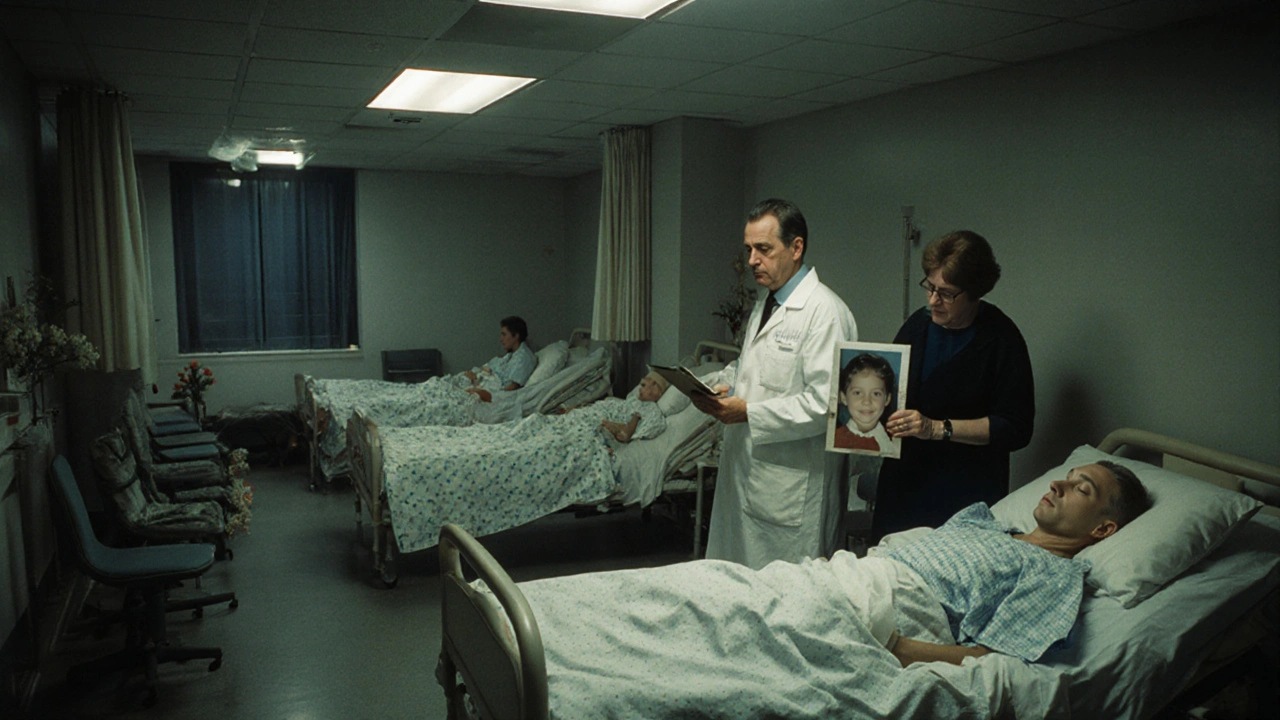
The Lazarus Effect: How Modern HIV Medications Turned a Death Sentence into a Manageable Condition
Nov 9 2025 / Health & WellnessThe Lazarus Effect transformed HIV from a fatal diagnosis to a manageable condition. Discover how modern antiretroviral therapy brought people back from the brink-and why access remains the biggest challenge today.
VIEW MORE