Homophile Movement: The Quiet Fight That Laid Groundwork for Modern LGBTQ+ Rights
When we think of LGBTQ+ rights, many picture the homophile movement, a network of early 20th-century organizations that advocated for gay and lesbian visibility and legal reform before the term 'gay liberation' existed. Also known as early gay rights movement, it was not loud or flashy—it was careful, strategic, and often invisible to the public. But without it, there would have been no Stonewall. These groups, like the Mattachine Society and the Daughters of Bilitis, didn’t demand parades or protests. They wrote letters to politicians, published magazines, held quiet meetings, and tried to prove that gay people were just like everyone else—deserving of dignity, not criminalization.
The homophile movement, a network of early 20th-century organizations that advocated for gay and lesbian visibility and legal reform before the term 'gay liberation' existed. Also known as early gay rights movement, it was not loud or flashy—it was careful, strategic, and often invisible to the public. But without it, there would have been no Stonewall. These groups, like the Mattachine Society and the Daughters of Bilitis, wrote letters to politicians, published magazines, held quiet meetings, and tried to prove that gay people were just like everyone else—deserving of dignity, not criminalization.
The Stonewall Uprising, the 1969 police raid on a New York gay bar that sparked days of protests and became the catalyst for modern LGBTQ+ activism. Also known as Stonewall riots, it didn’t come out of nowhere—it was the explosive result of decades of quiet organizing by homophile activists who had already laid the legal, social, and emotional groundwork. Before Stonewall, there were no national LGBTQ+ organizations. Before Stonewall, being openly gay could cost you your job, your home, even your freedom. The homophile movement didn’t win all its battles, but it changed the rules of the game. It taught people how to speak up, how to organize, and how to demand rights without begging for them.
And it wasn’t just about sex or attraction. The gay liberation, a broader social and political movement that emerged after Stonewall, demanding radical change and rejecting assimilationist approaches. Also known as LGBTQ+ rights movement, it built directly on the legal arguments, community networks, and personal testimonies first developed by homophile groups. The same women who wrote about lesbian identity in The Ladder magazine were the ones whose stories later fueled feminist critiques of heteronormativity. The same men who met in secret to discuss their rights were the ones whose courage made it possible for others to come out publicly.
What you’ll find in the posts below isn’t just history—it’s the blueprint. From police raids on gay bars to the erasure of lesbian relationships in archives, from Victorian medical myths about desire to the legal battles over marriage and housing rights, every article here connects back to that quiet, determined push that began long before the rainbow flags flew high. These weren’t just protests. They were acts of survival. And they’re still shaping what’s possible today.
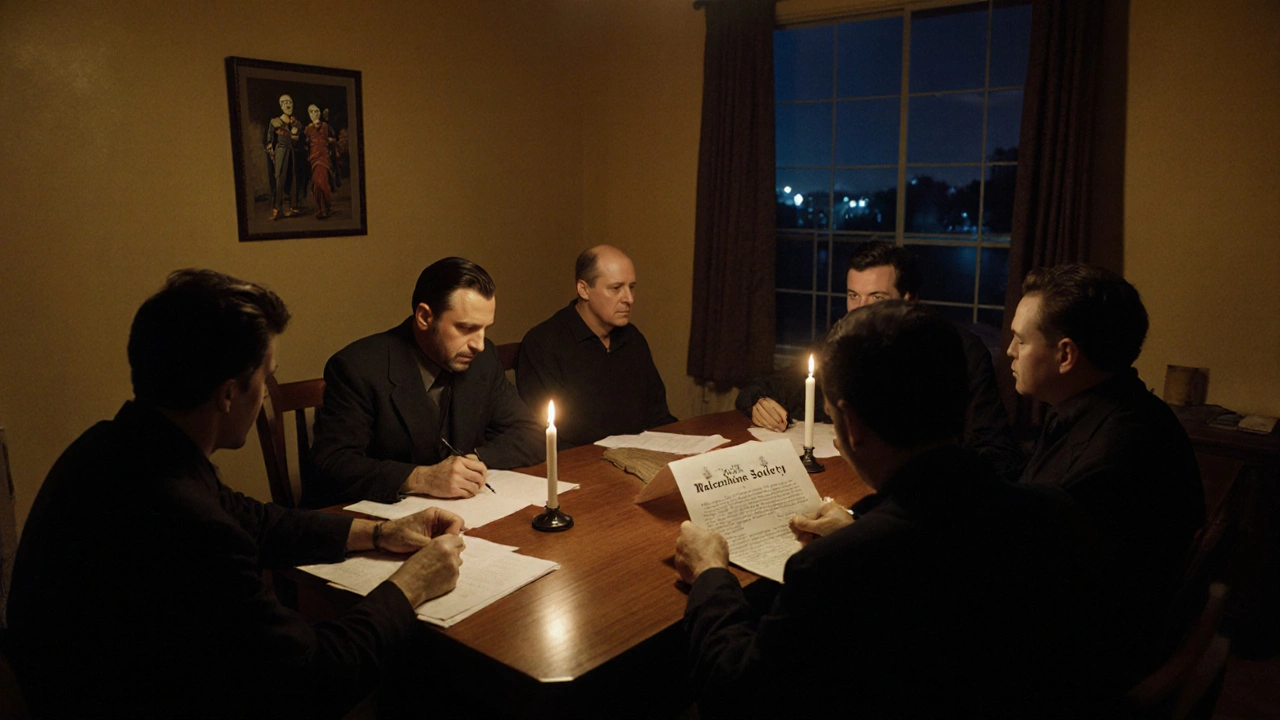
The Mattachine Society: America’s First Gay Rights Movement in the 1950s
Nov 5 2025 / LGBTQ+ HistoryThe Mattachine Society was America’s first sustained gay rights organization, founded in 1950 by Harry Hay and others. Through secrecy, legal defense, and education, they challenged the idea that homosexuality was a disease - paving the way for future activism.
VIEW MORE