Homosexuality: History, Erasure, and the Fight for Visibility
When we talk about homosexuality, the enduring pattern of romantic and sexual attraction between people of the same gender. Also known as same-sex attraction, it has existed in every known culture—yet been erased, pathologized, or criminalized for centuries. This isn’t just about who people love. It’s about who gets to tell their story. For every documented same-sex relationship in ancient Greece or medieval Europe, there are ten more buried under censorship, coded language, or outright destruction.
Take lesbian history, the suppressed record of women loving women across time. Archives were cleaned. Diaries burned. Letters rewritten. Women who lived together as partners were called "roommates" or "close friends"—not because they were hiding, but because society refused to see them. The same happened with bisexual erasure, the persistent denial that attraction to more than one gender is real. People weren’t just ignored—they were told they were confused, going through a phase, or lying to fit in. And when they spoke up, they were silenced by both straight society and parts of the LGBTQ+ community itself.
Homosexuality didn’t become a political issue because people suddenly started being gay. It became one because they started demanding to be seen. The LGBTQ+ rights, the movement for legal equality, safety, and dignity for queer people didn’t start at Stonewall—it started in the quiet defiance of couples holding hands in 1920s Berlin, in the secret networks of 18th-century London, in the poems of Sappho that survived because someone hid them. But Stonewall was the spark that turned whispers into a roar. Police raids on gay bars, once routine, became the catalyst for mass resistance. The fight wasn’t just for marriage. It was for the right to exist without fear—whether in housing, jobs, or healthcare.
What you’ll find below isn’t a textbook. It’s the raw, unfiltered history of how sexuality was controlled, how bodies were violated in the name of "science," and how people fought back—with art, law, silence, and sheer persistence. From the Victorian doctors who called masturbation a disease to the Etruscans who carved sex into tombs as sacred acts, this collection shows how power shapes desire. And how desire, in turn, reshapes power.
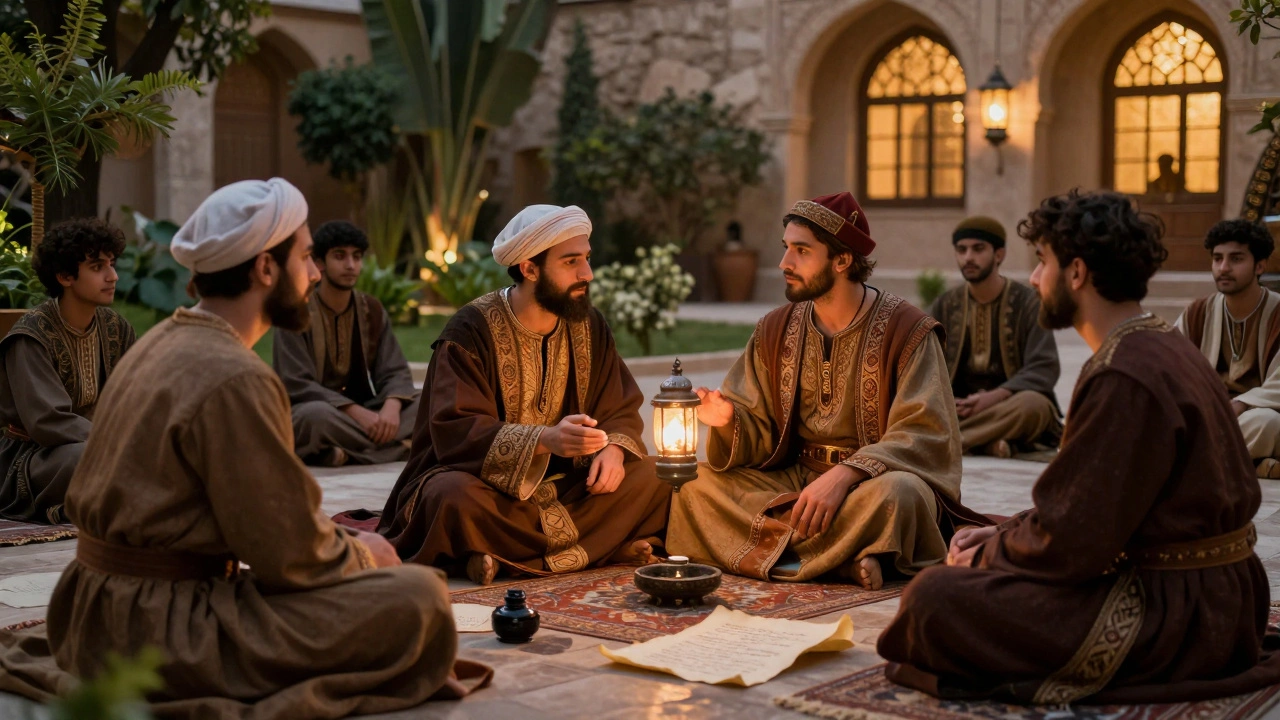
Islamic Prohibitions on Homosexuality: History and Modern Debates
Feb 7 2026 / History & CultureIslamic prohibitions on homosexuality are often seen as fixed and unchanging, but history reveals a far more complex picture shaped by interpretation, colonialism, and modern activism. This article explores the shifting legal, cultural, and theological landscape across centuries.
VIEW MORE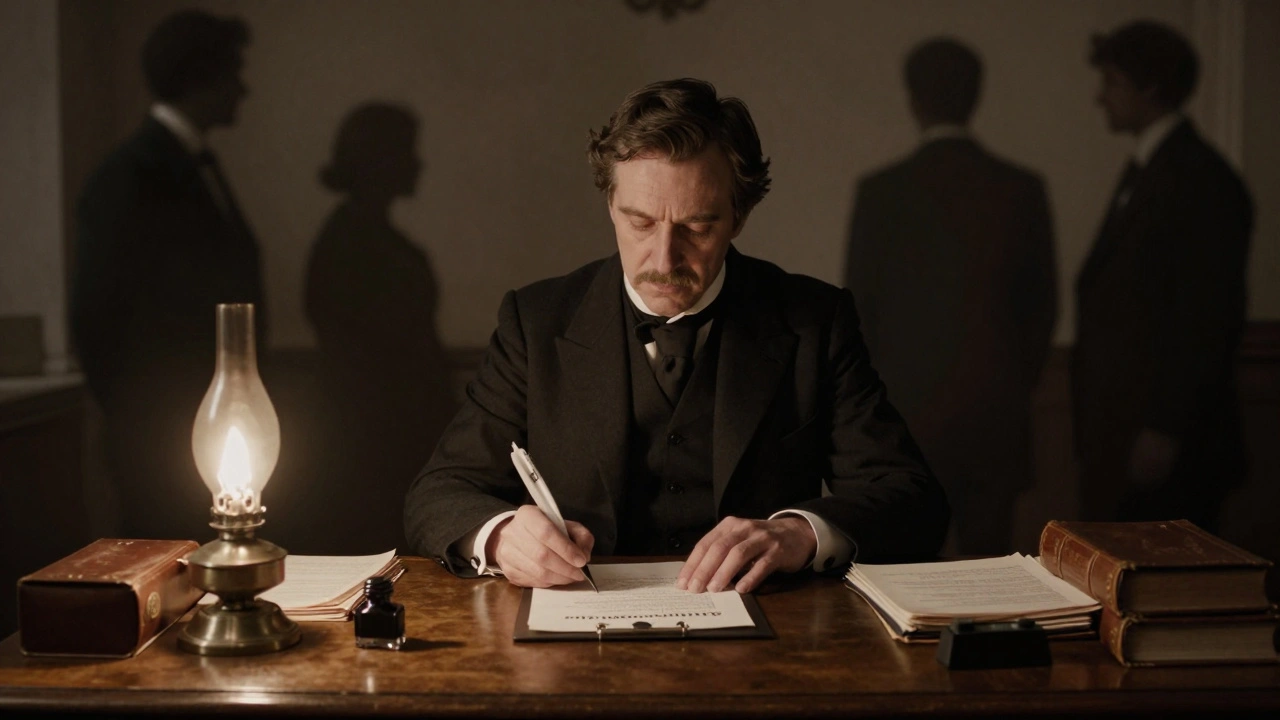
How Sexual Identity Categories Were Born in the 1880s
Jan 28 2026 / LGBTQ+ HistoryIn the 1880s, doctors and scientists invented the categories of homosexuality and heterosexuality-not as natural truths, but as medical labels to control and classify human behavior. These ideas still shape how we understand identity today.
VIEW MORE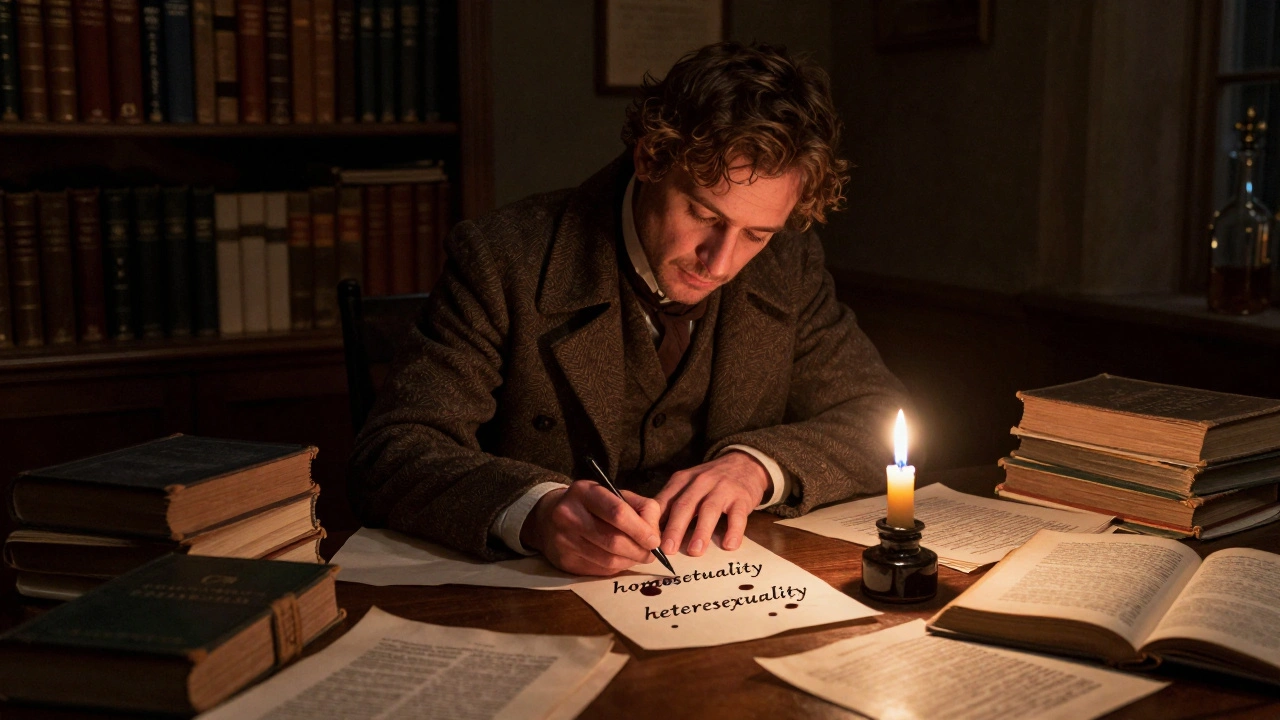
From Acts to Identities: How Homosexuality Became a Modern Category
Dec 4 2025 / LGBTQ+ HistoryHomosexuality as an identity, not just an act, emerged in the 19th century through medical and scientific classification. This shift changed how society sees sexuality, from sin to sickness to rights-and now beyond binaries.
VIEW MORE