Human Trafficking: What It Really Is, How It’s Tied to Sex Work, and Why History Matters
When we talk about human trafficking, the illegal trade of people for forced labor or sexual exploitation, often involving coercion, deception, or abuse of power. Also known as modern slavery, it’s not just about strangers dragging people into vans—it’s about broken systems, economic desperation, and laws that punish victims instead of predators. Many assume it only happens overseas, but in the U.S., most victims are citizens trapped by partners, employers, or traffickers who exploit their vulnerabilities—often under the guise of "sex work" or "modeling."
The line between sex work, the consensual exchange of sexual services for money, often regulated or criminalized depending on location. Also known as commercial sex, it and coercion, the use of pressure, threats, or emotional manipulation to force someone into an action against their will. Also known as sexual exploitation, it is blurred by media, law, and public fear. In history, women were locked into "prostitution" under moral panic, not choice—just like today, when trafficking laws sometimes shut down safe spaces for independent workers, leaving them more exposed. consent, a freely given, informed, and reversible agreement to engage in an activity. Also known as affirmative consent, it isn’t just a legal term—it’s the difference between survival and slavery. If someone can’t walk away without fear, it’s not work. It’s control.
Look at the posts here: they trace how power has always shaped who gets to say "yes." From Victorian doctors calling masturbation a disease to police raids on gay bars under the excuse of "morality," the same tools of control keep reappearing. The same laws meant to "protect" women often trap them. The same moral panic that banned erotic poetry in 1592 now fuels raids on adult workers. Human trafficking isn’t a foreign horror—it’s the end result of centuries of silencing, criminalizing, and ignoring the voices of the most vulnerable.
What you’ll find below aren’t just articles about history—they’re clues. How did we get here? Why do some people call sex work empowering while others call it exploitation? Who benefits from the confusion? These posts don’t offer easy answers, but they show you the patterns: how economic pressure, gender norms, and legal hypocrisy turn survival into a crime. You’ll see how consent was rewritten, how silence was weaponized, and how the same systems that once labeled women as hysterical now label them as trafficked—without asking what they actually want.
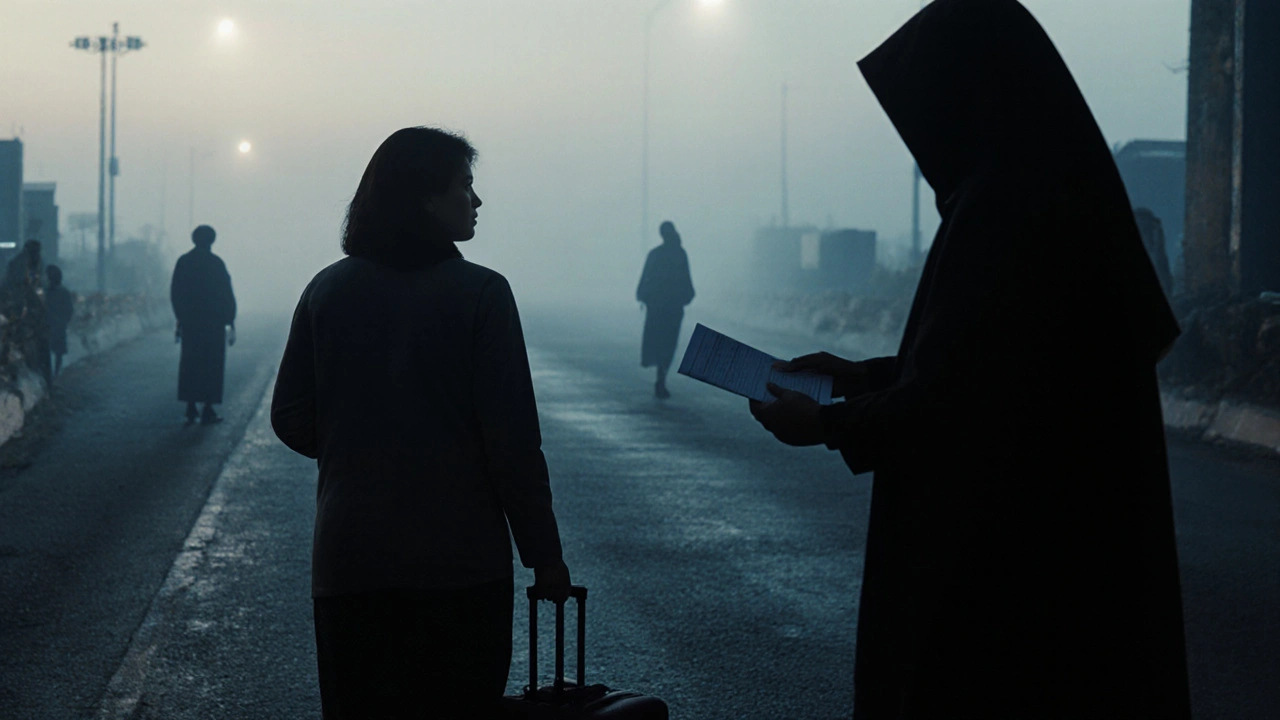
Migration, Trafficking, and Consent: Untangling the Myths Behind Modern Exploitation
Nov 10 2025 / Social PolicyThe legal line between human trafficking and migrant smuggling relies on consent - but real-life cases show consent is rarely clear-cut. Poverty, immigration status, and lack of options make true choice impossible for many.
VIEW MORE