Induced Ovulation: How Medical Timing Controls Fertility and IVF Success
When doctors talk about induced ovulation, a medical process that triggers the release of eggs using hormones. Also known as ovulation induction, it's not about making your body ovulate more—it's about making it ovulate at the exact right time. This isn't natural fertility. It's precision medicine. In IVF, your body doesn't get to decide when the egg is ready. A doctor does—using a trigger shot, usually HCG, to mimic the natural surge that tells your ovaries: "Go now." Get the timing off by even a few hours, and you could lose the egg before retrieval.
The HCG trigger, a hormone injection used to finalize egg maturation before retrieval is the most critical tool in this process. It’s not a fertility drug like Clomid or letrozole—that’s for starting the cycle. HCG is the final signal, the stopwatch that starts ticking at 34 to 36 hours. That’s the window where the egg is mature enough to be picked up, but not so old it’s past its prime. Miss it, and the egg might already be gone—ovulated too early, lost in the body, unusable. This is why clinics monitor you with blood tests and ultrasounds every other day. They’re not just checking follicles. They’re tracking the exact moment your body is ready to be pushed.
And it’s not just about getting the shot right. The whole cycle builds toward it. Medications like gonadotropins grow the follicles. GnRH antagonists stop your body from ovulating too soon. It’s a chain reaction, and premature ovulation, when the egg releases before retrieval can happen is the biggest risk. It’s not rare. It’s the #1 reason IVF cycles fail before they even get to the lab. That’s why clinics have backup plans—different trigger types, like Lupron, or adjusting the dose based on your response. This isn’t guesswork. It’s science built on decades of trial, error, and real patient data.
What you’ll find in these articles isn’t just clinical jargon. It’s the real stories behind the numbers: how women learned to time their shots around work, how one missed ultrasound changed a cycle, why some clinics use different triggers for different bodies, and how the history of fertility medicine turned a mystery into a measurable process. These posts don’t just explain induced ovulation—they show you how it actually works in practice, what goes wrong, and how people made it work anyway.
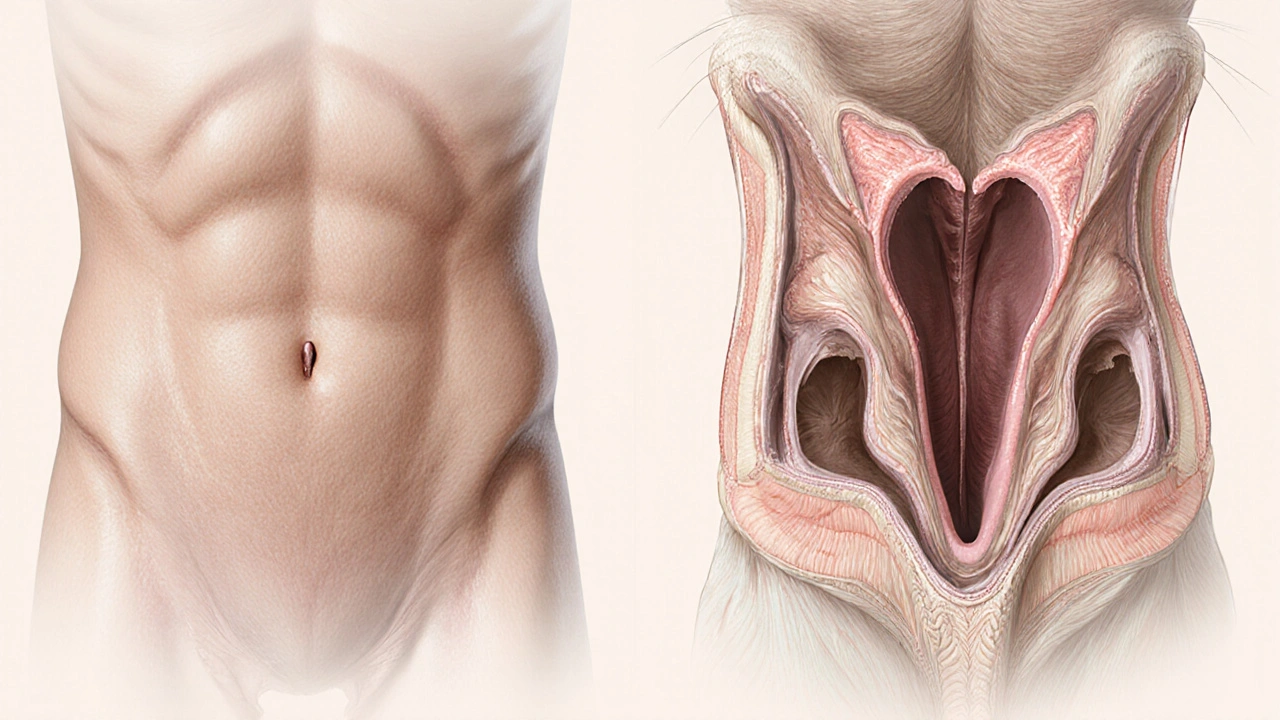
Why Does the Female Orgasm Exist If It’s Not Needed for Reproduction?
Nov 10 2025 / Health & WellnessThe female orgasm isn't needed for reproduction-but it exists because our ancestors needed it to ovulate. Evolution kept the pleasure system even after it lost its job, explaining why most women need clitoral stimulation to climax.
VIEW MORE