For over two thousand years, people have wondered why women experience orgasm if it’s not necessary to get pregnant. Aristotle asked it. Freud tried to explain it. Modern science finally has an answer-and it’s not what you think.
The Puzzle That Wouldn’t Go Away
Men orgasm to release sperm. That’s straightforward. Women don’t need to orgasm to release an egg. Their bodies do that automatically, every month, whether they’re having sex or not. So why does pleasure even exist? Why does the body go through all this complex wiring-hormones surging, nerves firing, muscles contracting-if it doesn’t help make babies? For decades, the answer was either ignored or twisted into myths. Some said it was a sign of emotional closeness. Others claimed it helped women pick better partners. A few even suggested it was a flaw-a leftover from male development. None of these held up under real scrutiny. Then, in 2019, a team led by evolutionary biologist Gunter Wagner and Mihaela Pavlicev published a paper that changed everything. They didn’t just guess. They looked at the bodies of rabbits, cats, ferrets, and humans-and found a hidden link.The Evolutionary Ghost in Our Bodies
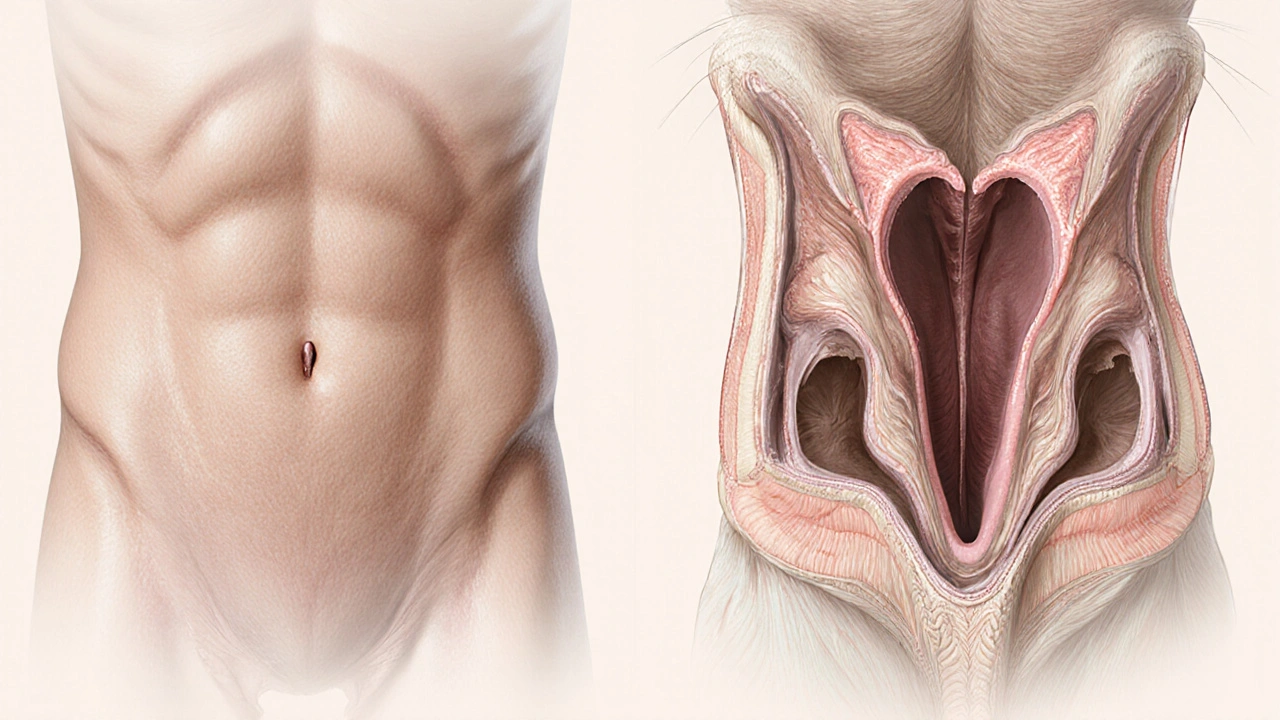
Most mammals don’t ovulate on a schedule. They need sex to trigger it. That’s called induced ovulation. In rabbits, for example, the physical stimulation of mating causes a spike in hormones that forces the ovaries to release an egg. No sex? No egg. Simple. Humans? Not like that. We ovulate on our own. About 75 to 100 million years ago, our ancestors switched from induced to spontaneous ovulation. The old system became unnecessary. But here’s the key: the brain circuitry didn’t vanish. It stayed. The same hormones that trigger ovulation in rabbits-oxytocin, prolactin-are released during human female orgasm. The same neurons light up. The same reflex kicks in. The only difference? In humans, it does nothing for reproduction. It’s a ghost. An echo. A biological relic. This explains why the clitoris is positioned where it is. In rabbits, the clitoris sits right inside the vaginal canal, perfectly placed to be stimulated during intercourse. In humans? It’s about 2 to 3 centimeters away. It doesn’t get touched during most penetrative sex. That’s not a design flaw. It’s a fossil. When our ancestors stopped needing sex to ovulate, the clitoris slowly moved northward, out of the way. Evolution didn’t delete the system. It just stopped using it.Why the Other Theories Don’t Work
You’ve probably heard other explanations. Let’s cut through them. The byproduct theory says female orgasm is just an accident-a side effect of male orgasm. Since men and women start from the same embryonic blueprint, the pleasure system developed for males got copied over. But that doesn’t explain why the hormonal response is so precise. Why would a random side effect mimic the exact neuro-endocrine pattern of induced ovulation across dozens of species? The mate-choice theory claims orgasm helps women pick genetically superior partners by increasing sperm uptake. There’s even a name for it: the “upsuck theory.” But studies show no link between how often a woman orgasms and how many children she has. In one study of 120 couples, orgasm frequency didn’t predict fertility at all. The bonding theory says orgasm strengthens relationships through oxytocin. Maybe. But that doesn’t explain why it evolved in the first place. Bonding could happen without the physical climax. Why did the body evolve a whole complex reflex just to make cuddling feel better? The induced ovulation remnant theory fits every piece. Anatomy. Hormones. Embryology. Genetics. It’s the only explanation that connects the dots across species, time, and biology.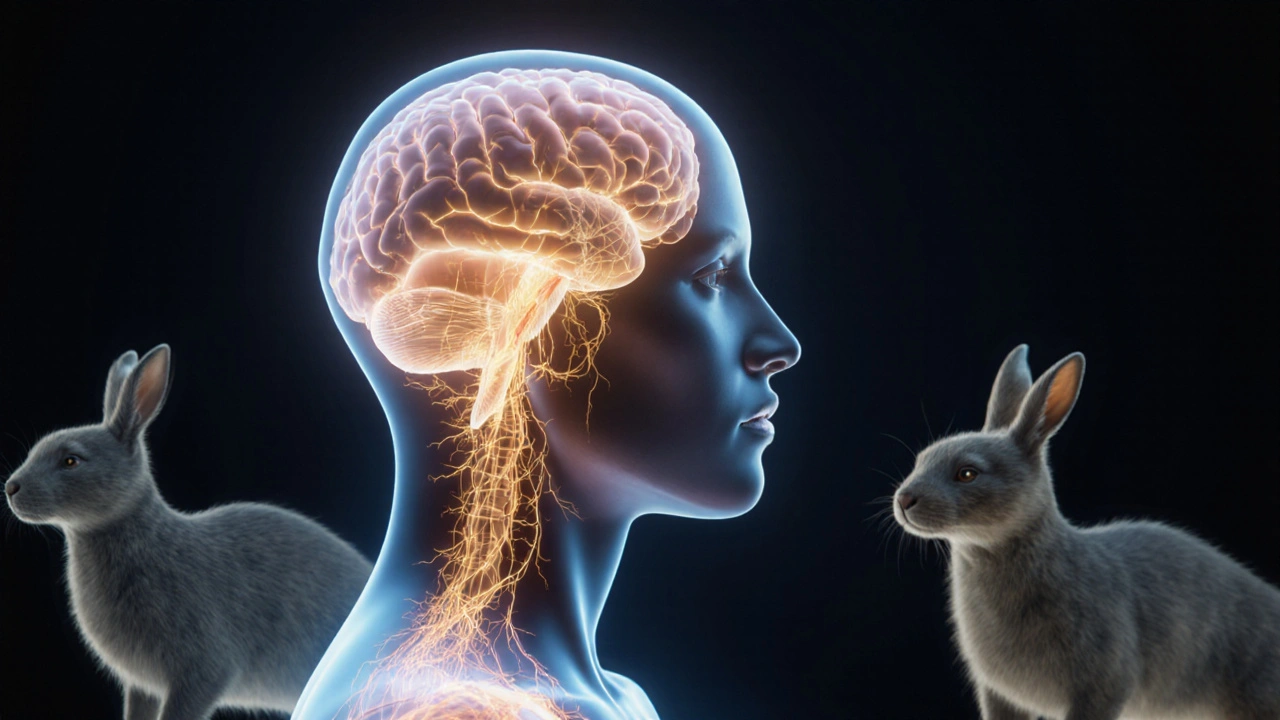
What This Means for Real Life
If you’ve ever felt like something’s wrong because you don’t orgasm during intercourse, this changes everything. Most women-78% according to the Kinsey Institute-need direct clitoral stimulation to reach orgasm. That’s not broken. That’s normal. The clitoris wasn’t built to be stimulated by a penis moving in and out. It was built to be stimulated by a rabbit’s pelvic thrusts. Our bodies haven’t caught up. This isn’t about dysfunction. It’s about evolution. When therapists explain this to clients, anxiety drops. A 2022 study in the Journal of Sexual Medicine found that 43% of women seeking help for “orgasmic dysfunction” felt less shame after learning the evolutionary background. They stopped blaming themselves. They stopped feeling like their bodies were defective. And it’s not just therapy. Sexual wellness companies are using this science. Brands like Dame Products design toys based on the clitoris’s actual anatomy-not fantasy. Educational platforms like O.school have millions of users learning that orgasm inconsistency isn’t failure. It’s biology.Why This Still Feels Uncomfortable
Some people push back. They say calling female orgasm a “leftover” makes it seem unimportant. That it reduces pleasure to a mistake. But that’s the opposite of what’s happening. This theory doesn’t diminish pleasure. It validates it. The fact that we still have this intense, complex, beautiful response-even after it lost its job-is proof of how deeply wired we are for sensation. Evolution didn’t erase it because it was useless. It kept it because it felt good. And that matters. We don’t need to justify pleasure with reproduction. Pleasure is its own reason. The evolutionary story just explains why it’s so hard to get through intercourse alone.