Insurance Coverage for Sex Work and Sexual Health Services
When it comes to insurance coverage, the system that determines which medical and health-related services are paid for by insurers. Also known as health insurance benefits, it shapes who gets access to care, what treatments are considered legitimate, and whose experiences are validated by institutions. For sex workers, LGBTQ+ individuals, and anyone seeking reproductive or sexual health support, insurance coverage isn’t just paperwork—it’s a gatekeeper. Many services tied to sexual autonomy, from HIV medications to therapy for sexual trauma, are either excluded, underfunded, or treated as optional. Even when legal, they’re often buried in fine print or labeled "experimental"—despite decades of medical consensus.
Consider HIV treatment, a life-saving medical protocol that turns a fatal diagnosis into a manageable condition. Also known as antiretroviral therapy, it is covered by most plans, but only if you can afford the co-pays, navigate prior authorizations, and find a provider who doesn’t judge you. Or look at reproductive rights, the legal and medical ability to make decisions about pregnancy, contraception, and abortion. Also known as bodily autonomy, it has been stripped from insurance plans in over half of U.S. states, leaving people to pay out-of-pocket for procedures that were once standard care. And then there’s sex work, the exchange of sexual services for money, often performed by people who also need healthcare, housing, and legal protection. Also known as commercialized sexuality, it is almost never covered by insurance—not because it’s not a real job, but because society refuses to see it as legitimate work. This isn’t just about money. It’s about dignity. When your body’s needs are treated as taboo, insurance denies you coverage not because you don’t qualify—but because your life doesn’t fit their mold.
What you’ll find in the posts below isn’t a list of policies or insurance providers. It’s the history behind why these gaps exist. From Victorian doctors who called masturbation a disease to modern laws that block coverage for trans healthcare, the patterns are clear: control over sexuality has always been tied to control over who gets care. These articles uncover how legal systems, medical myths, and cultural shame built the walls around insurance coverage—and how people are breaking through them.
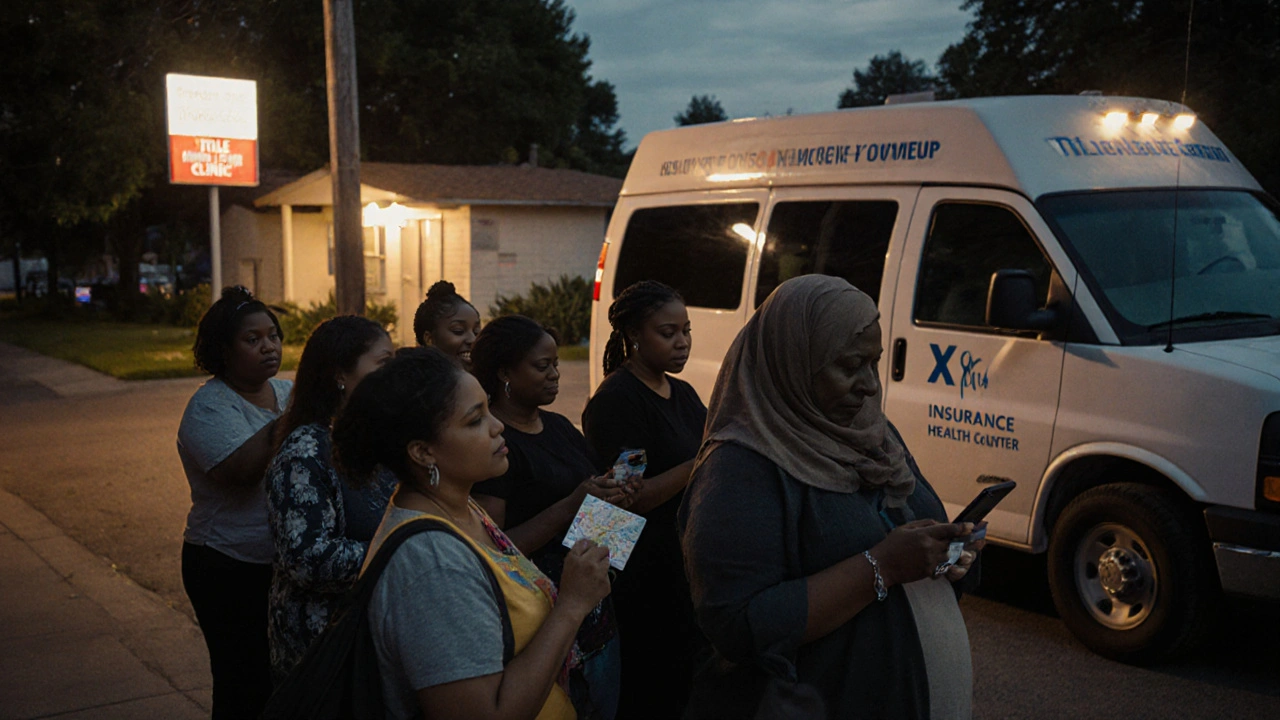
Access and Equity in Contraceptive Care: Insurance, Clinics, and Policy
Oct 24 2025 / Health & WellnessDespite legal protections, millions of U.S. women still face barriers to contraceptive care due to insurance gaps, clinic closures, and racial inequities. This article breaks down the real-world impact of policy, geography, and systemic bias on access to birth control.
VIEW MORE