Jane Roe: The Legal Symbol That Changed Sex, Privacy, and Women's Rights
When you hear Jane Roe, the pseudonym used by Norma McCorvey in the landmark 1973 U.S. Supreme Court case that legalized abortion nationwide. Also known as the plaintiff in Roe v. Wade, she wasn’t just a name on a court document—she became the symbol of a fight over who controls a woman’s body, when, and why. Her case didn’t just change one law. It rewrote the rules on privacy, medical freedom, and state power in ways that still echo today.
The legal battle around Roe v. Wade, the 1973 Supreme Court decision that recognized a constitutional right to abortion under the right to privacy. Also known as the abortion rights ruling, it didn’t come out of nowhere. It built on decades of activism, medical secrecy, and women risking their lives to end unwanted pregnancies. Before Roe, doctors were afraid to help. Police raided clinics. Women traveled across state lines—or used coat hangers. The ruling didn’t make abortion easy, but it made it legal, safe, and protected under federal law. And it forced every state to confront the same question: does the government own your body?
But Roe’s legacy isn’t just legal—it’s cultural. It shaped how we talk about reproductive rights, the ability to make personal decisions about pregnancy, contraception, and healthcare without government interference. Also known as bodily autonomy, it became tied to feminism, religion, politics, and even how families raise their kids. The same debates that started in the 1970s are still happening now: Who gets to decide? What counts as a threat? Why does one person’s morality become another person’s law? And why do so many of these fights still center on women’s choices?
The posts here don’t just talk about Roe. They show how her case connects to everything from Victorian views on female sexuality to modern fights over IVF, consent, and LGBTQ+ rights. You’ll find articles on how medical myths about women’s bodies were used to control them, how legal systems silenced female desire for centuries, and how movements like gay liberation and feminism changed what’s possible. You’ll see how the same forces that shaped Roe’s case still shape who gets healthcare, who gets punished, and who gets heard.
This isn’t just history. It’s the living framework behind every conversation about sex, power, and freedom today. Whether you’re reading about Etruscan tomb paintings, Victorian vibrators, or the science of the female orgasm, you’re seeing pieces of the same puzzle—one that Jane Roe helped turn upside down.
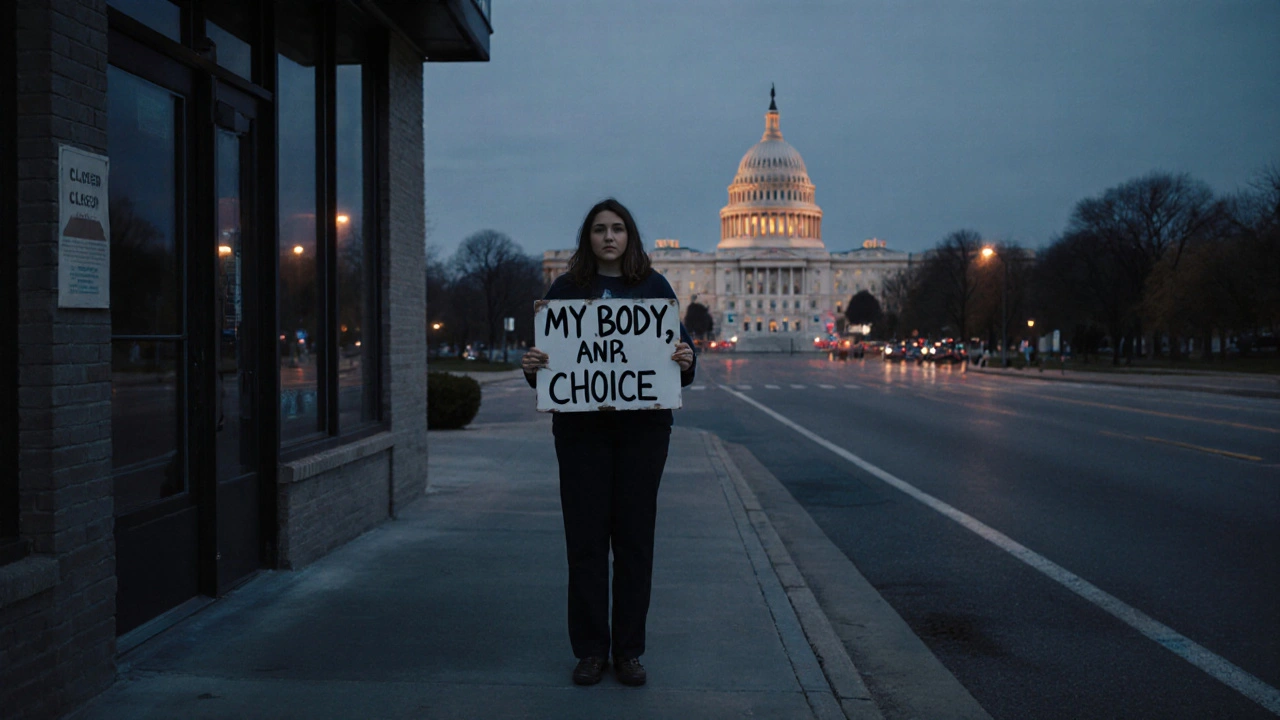
Roe v. Wade (1973): How the Supreme Court Changed Abortion Rights in America
Nov 9 2025 / Social PolicyRoe v. Wade (1973) established a constitutional right to abortion until fetal viability, but was overturned in 2022 by Dobbs v. Jackson. The decision reshaped reproductive rights in America and sparked ongoing legal and political battles.
VIEW MORE