Kama Sutra: Ancient Sex Texts, Pleasure Practices, and Misunderstood Traditions
When people think of the Kama Sutra, an ancient Indian text on love, desire, and intimate relationships written around the 2nd century CE by Vatsyayana. Also known as the Art of Love, it's not just about positions—it’s a full guide to living well, balancing pleasure with duty, and understanding human connection in a society that valued both spirituality and sensuality. Most modern versions reduce it to a catalog of sexual tricks, but the original text covers everything from courtship and marriage to etiquette, friendship, and even how to host a party. It was meant for educated men and women in ancient India who saw sex as part of a meaningful life, not something to hide.
The Tantra, a spiritual tradition that emerged in India around the same time, using ritual, breath, and sexual energy as paths to enlightenment. Also known as esoteric Hindu and Buddhist practices, it often gets mixed up with the Kama Sutra, but they’re not the same thing. While the Kama Sutra is practical and social, Tantra is deeply mystical—focused on transcending the self through controlled desire. Both, though, reject the idea that sex is shameful. They treat it as sacred, powerful, and tied to consciousness. Meanwhile, erotic literature, a broad category of writings across cultures that explore desire, power, and intimacy through narrative and symbolism. Also known as sex-positive historical texts, it includes everything from ancient Egyptian wall carvings to Elizabethan poems like Nashe’s ‘Choice of Valentines’—showing that humans have always written about pleasure, even when society tried to silence them.
What’s missing from most pop culture takes on the Kama Sutra is the context: it was written during a time when Indian society had complex rules around caste, gender, and family—but still made space for honest talk about desire. Women in the text aren’t passive; they’re advised to know their own pleasure, speak up in relationships, and even initiate sex. The text doesn’t just list techniques—it talks about timing, mood, and emotional connection. It’s a mirror to a culture that didn’t separate sex from philosophy, art, or daily life. And that’s why it still matters today, especially when so much of modern sexuality is shaped by shame, performance pressure, or commercialized fantasy.
What you’ll find in the posts below isn’t just a list of positions. It’s a deeper look at how ancient ideas about pleasure, power, and identity still echo in today’s conversations about consent, gender, and erotic expression—from Victorian-era myths about masturbation to how Etruscan tomb art used sex to guide souls into the afterlife. These aren’t random stories. They’re threads in the same fabric: the long, messy, beautiful history of how humans have sought connection, pleasure, and meaning through sex.
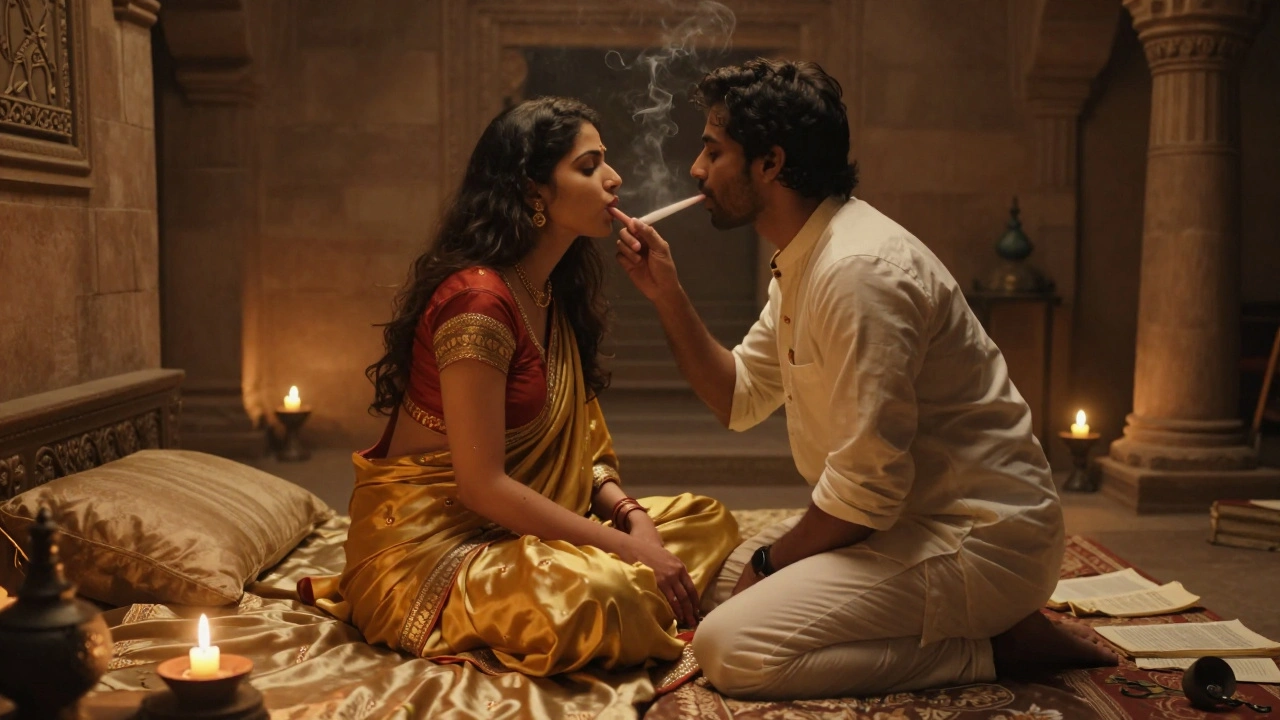
Kāmaśāstra Traditions: How Ancient India Understood Female Pleasure
Mar 16 2026 / History & CultureThe Kama Sutra didn't just describe sex-it gave women the right to pleasure, control, and agency 1,700 years before modern science caught up. This is how ancient India understood female orgasm.
VIEW MORE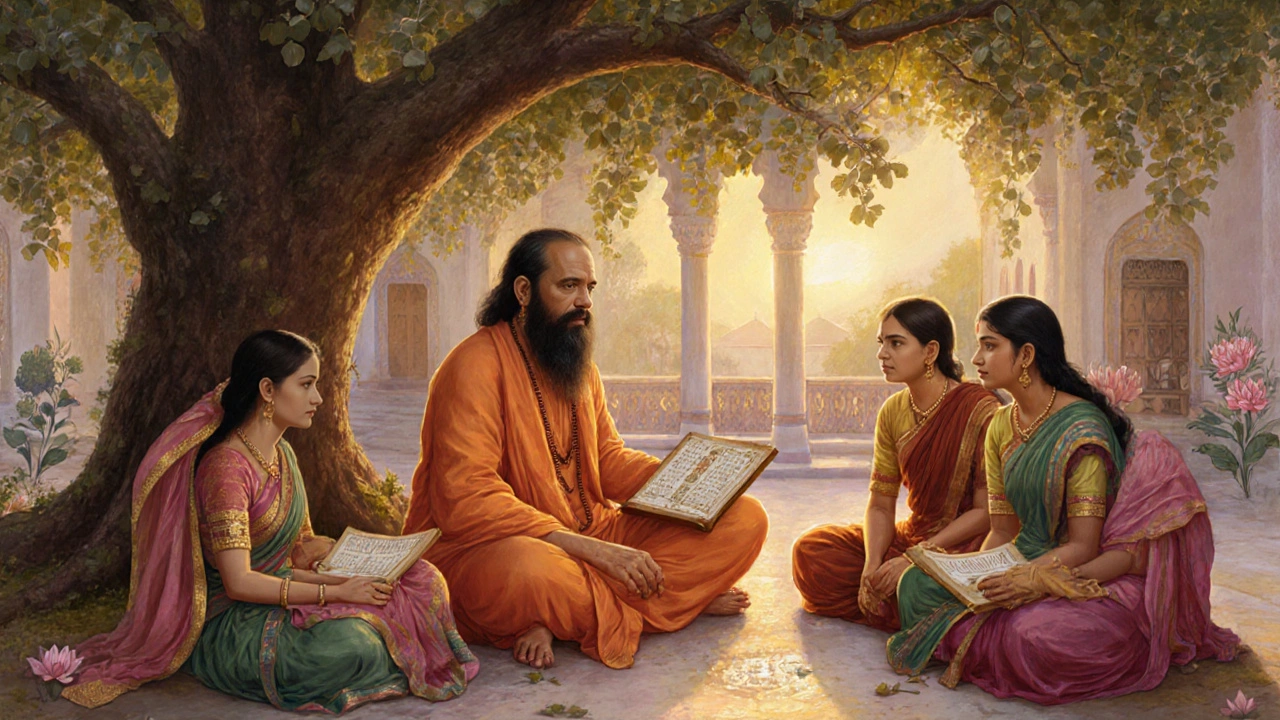
How Asia Systematized Sexual Instruction: The Forgotten Science of Erotic Knowledge
Nov 10 2025 / Global TraditionsAsia developed sophisticated systems for sexual instruction over 2,000 years ago - blending medicine, religion, and philosophy. From the Kama Sutra to Daoist alchemy, these traditions treated sex as a science - not a taboo.
VIEW MORE