LGBTQ activism: History, resistance, and the fight for equal rights
When we talk about LGBTQ activism, the organized effort to secure equal rights, visibility, and safety for lesbian, gay, bisexual, transgender, and queer people. Also known as queer liberation, it’s not just about parades—it’s about surviving systems built to erase you. This movement didn’t start with rainbow flags. It started in dark bars, in police raids, in whispered conversations between people who refused to be invisible.
Stonewall Uprising, the 1969 rebellion against police harassment at a New York gay bar wasn’t the first act of resistance, but it became the spark. Before that, police raids on gay bars, routine, violent crackdowns where people were arrested for wearing the wrong clothes or holding hands were normal. Those raids didn’t just target bodies—they targeted dignity. And people fought back. Not with speeches, but with fists, with chants, with the simple act of refusing to run. That energy didn’t fade. It turned into demands for legal protection, for housing rights, for jobs, for healthcare that didn’t treat being queer as a disorder.
But activism isn’t just about laws. It’s about who gets to be seen. bisexual erasure, the constant denial that bisexuality is real, valid, or even exists is still a weapon used even inside LGBTQ+ spaces. People are told they’re confused, greedy, or just going through a phase. That silence kills. It’s why archives of lesbian history were burned, why research ignored bisexual identities, why women’s same-sex relationships were coded out of history. Activism means digging those stories back up—publishing banned poems like Nashe’s, reclaiming erased names, forcing institutions to admit what they tried to bury.
Today, LGBTQ+ rights are under renewed attack. Laws are being passed to ban gender-affirming care, erase trans people from school curriculums, and roll back protections in housing and employment. But the tools of resistance haven’t changed. It’s still about speaking up when you’re told to stay quiet. It’s still about organizing when the system wants you isolated. It’s still about turning pain into power, one story, one protest, one legal case at a time.
What you’ll find here isn’t just history. It’s the blueprint. From the medical myths that pathologized desire to the feminist essays that redefined pleasure, from the hidden sexual art of ancient cultures to the modern fight for legal survival—this collection shows how power, shame, and resistance have shaped who we are. These aren’t just stories. They’re survival tactics. And they’re still being written.
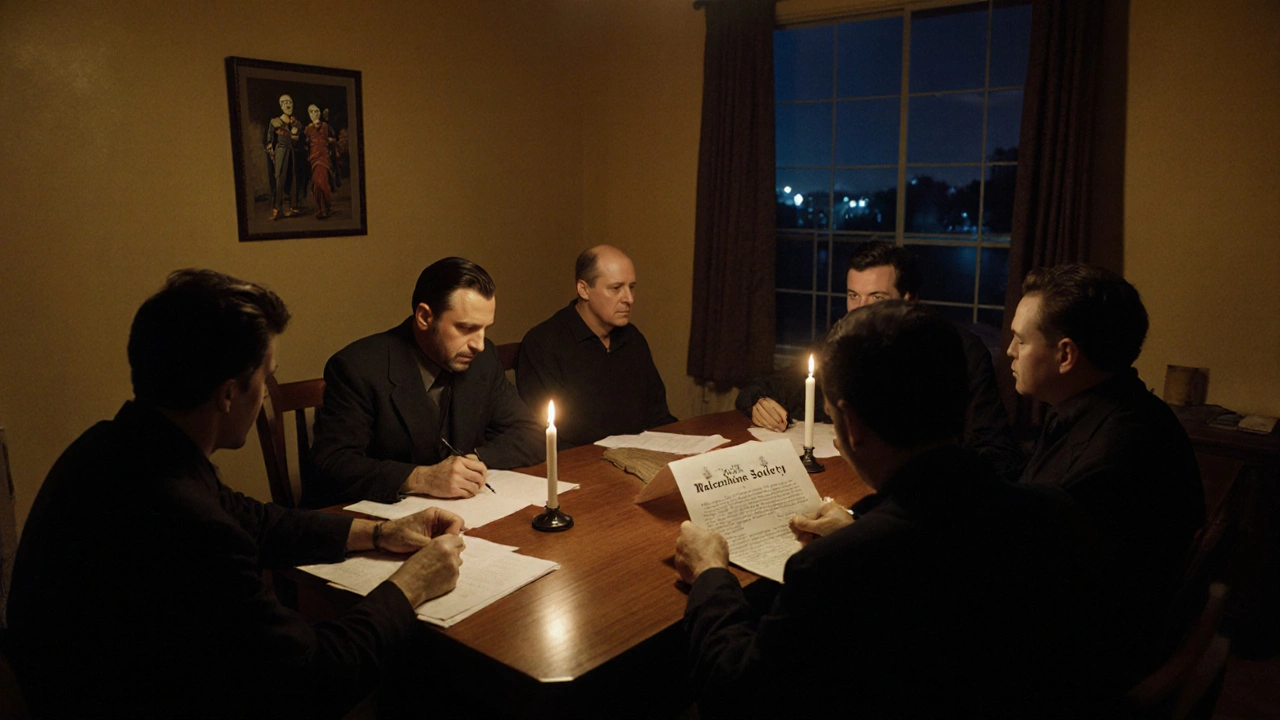
The Mattachine Society: America’s First Gay Rights Movement in the 1950s
Nov 5 2025 / LGBTQ+ HistoryThe Mattachine Society was America’s first sustained gay rights organization, founded in 1950 by Harry Hay and others. Through secrecy, legal defense, and education, they challenged the idea that homosexuality was a disease - paving the way for future activism.
VIEW MORE