Living Together Without Marriage: What It Really Means Today
When people choose to living together without marriage, a relationship where two partners share a home and life without legal wedlock. Also known as cohabitation, it’s no longer a fringe choice—it’s the new normal for millions.
Unlike in the 1970s, when living together was often seen as a step before marriage or a sign of rebellion, today it’s a full-blown alternative. Couples do it for money, freedom, timing, or just because they don’t see the point of a ceremony. In the U.S., over 9 million heterosexual couples live together without marrying, and that number keeps growing. Same-sex couples, too, often choose this path—not just because marriage wasn’t always legal, but because they’ve built relationships on their own terms, not old rules. This isn’t just about sex or convenience. It’s about redefining commitment without the legal and cultural baggage that comes with marriage.
Historically, marriage was never about love—it was about property, inheritance, and survival. Medieval families used unions like business deals. Victorian women were locked into domestic roles because they had no economic power outside the home. Even today, marriage laws still tie people to things like tax benefits, hospital visitation rights, and inheritance. But non-marital partnerships, romantic relationships that exist outside legal marriage. Also known as domestic partnership, it’s becoming a real legal category in some states and cities, offering some protections without the full wedding package. Still, most places offer zero automatic rights. If you break up, you’re not entitled to half the rent. If your partner gets sick, you might not be allowed in the ICU. That’s why more couples are writing cohabitation agreements, naming each other in wills, or adding each other to insurance policies. It’s not romantic, but it’s smart.
And then there’s the cultural shift. Younger generations grew up watching their parents’ marriages fall apart. They’ve seen how divorce can cost hundreds of thousands and years of emotional damage. They’ve seen how marriage can trap people in unequal dynamics. So they’re testing things out—living together first, staying flexible, keeping their own names, their own bank accounts, their own space. It’s not about avoiding commitment. It’s about building something real without the script.
What you’ll find below are stories and facts that show how this shift didn’t happen overnight. From Victorian-era social pressure to modern legal gray zones, from feminist critiques of marriage to the quiet rise of cohabiting families, these articles trace how we got here—and where we might be headed next. You’ll learn how power, money, and history shape the way we live together, whether we’re married or not.
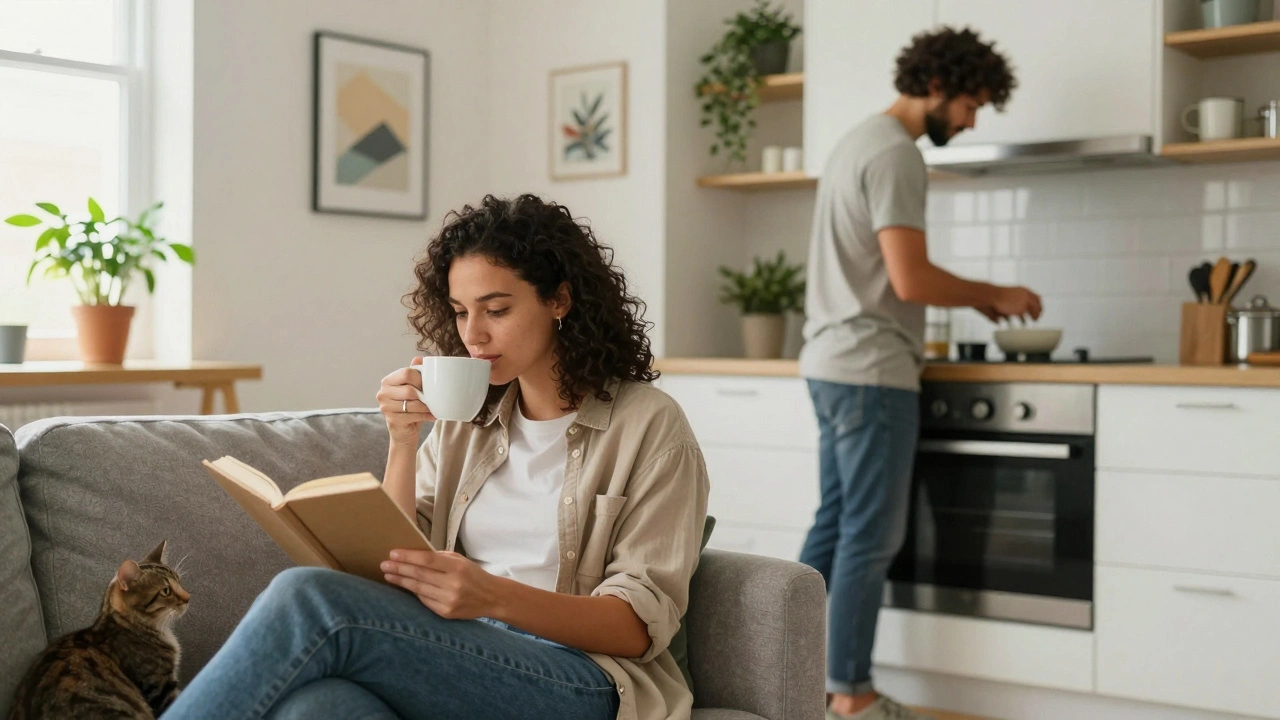
Unmarried Cohabitation: Why More Americans Are Living Together Without Marriage
Dec 1 2025 / History & CultureMore Americans are living together without marriage than ever before. Driven by economic shifts and changing values, cohabitation is now the norm for young adults and growing fast among older generations too.
VIEW MORE