Low-Dose Pill Effectiveness: How Birth Control Pills Really Work and What They Do to Your Body
When you take a low-dose pill, a type of hormonal contraception with reduced estrogen and progestin levels designed to minimize side effects while maintaining pregnancy prevention. Also known as low-estrogen birth control, it's the most common form of daily contraception used by women today—because it works, and most people tolerate it better than older, stronger versions. But effectiveness isn't just a number on a chart. It’s about how your body reacts to those tiny doses of hormones every day, and whether your system settles into balance—or fights back.
The hormonal contraception, a medical method that uses synthetic hormones to suppress ovulation, thicken cervical mucus, and thin the uterine lining. Also known as oral contraceptives, it has evolved from high-dose pills of the 1960s—designed to stop ovulation at all costs—to today’s low-dose versions, where the goal is subtlety, not force. These pills typically contain less than 35 micrograms of estrogen, sometimes as low as 10 or even 20. That’s not enough to shock your system, but enough to keep your ovaries quiet. The real trick? It’s not just about the hormones—it’s about timing, consistency, and how your liver processes them. Miss a pill? Your estrogen levels dip. That’s when breakthrough bleeding happens. That’s when pregnancy risk creeps up—even if you’re "only" a few hours late.
Not all low-dose pills are the same. Some use different types of progestin—like drospirenone, norethindrone, or desogestrel—and each interacts with your body differently. One might help with acne. Another might make you feel moody. One might reduce cramps. Another might leave you tired. The estrogen levels, the amount of synthetic estrogen in a birth control pill, typically measured in micrograms, and directly tied to side effects like nausea, breast tenderness, and blood clot risk. Also known as ethinyl estradiol dosage, it isn’t just a number—it’s a trigger. Lower estrogen means fewer side effects for most, but it also means less protection if you’re inconsistent. That’s why effectiveness drops from 99% with perfect use to about 93% with typical use. It’s not the pill failing. It’s the human forgetting, skipping, or taking it with antibiotics or grapefruit juice.
And then there’s the long-term stuff. Low-dose pills don’t just prevent pregnancy—they change your cycle, your mood, your skin, even your bone density over time. Some women get relief from heavy periods. Others lose libido. Some feel calmer. Others feel like they’re floating through fog. There’s no one-size-fits-all. That’s why doctors now say: try one, see how you feel, and if it doesn’t sit right, try another. It’s not weakness. It’s science.
What you’ll find below are real stories, real research, and real history behind how these pills came to be—and how they continue to shape women’s lives, bodies, and choices. From Victorian-era "hysteria" treatments to today’s minimalist hormone formulas, this isn’t just about birth control. It’s about control—over your body, your time, and your future.
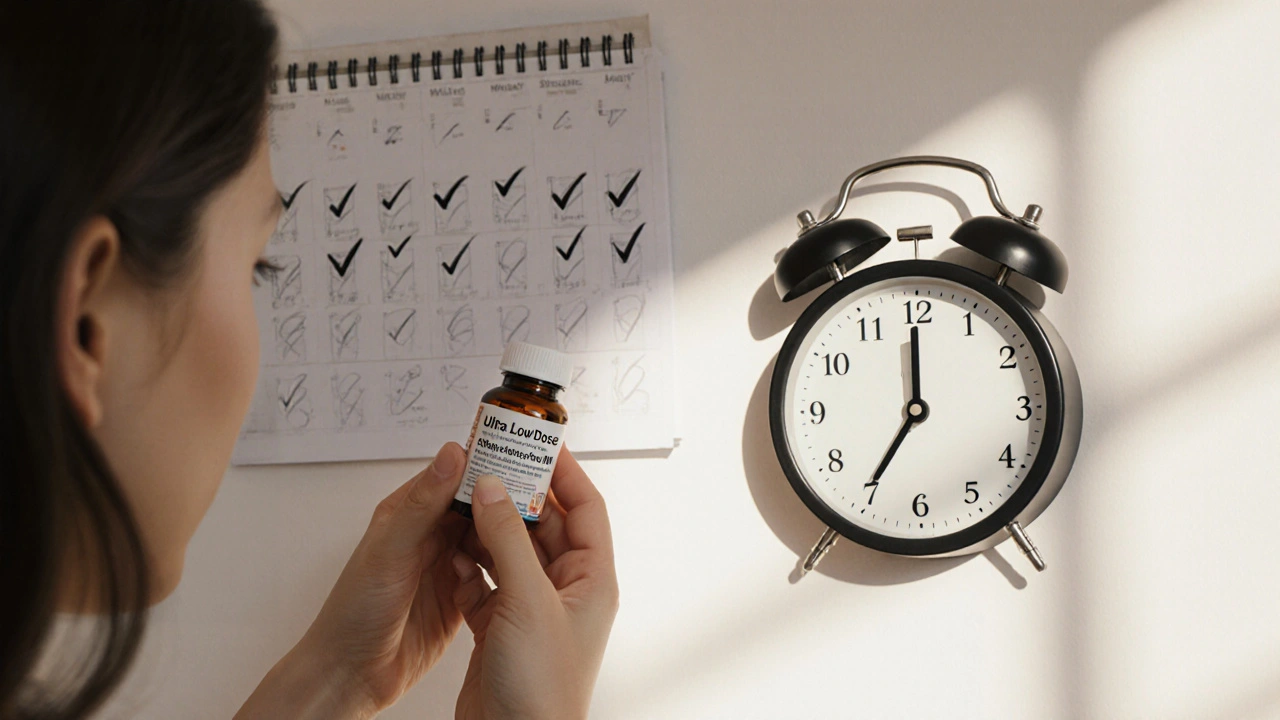
Modern Low-Hormone Birth Control Pills: Safety, Effectiveness, and What You Need to Know
Nov 17 2025 / Health & WellnessModern low-hormone birth control pills offer fewer side effects than older versions, but require strict daily use. Learn how they work, who they’re best for, and why timing matters more than dose.
VIEW MORE